
What Makes a Crib Convertible for a Growing Family?
How a Crib Grows With Your Child
A convertible crib is designed to change its form to match your child’s developmental stages. It starts as a standard infant crib and then transforms into other furniture pieces. This is the main feature that makes it suitable for a growing family. The goal is to provide one safe sleep solution that lasts for many years.
The Core Benefits of a Convertible Design
Choosing a convertible crib is a practical decision. It offers financial and practical advantages that parents appreciate. Let’s look at the main reasons these cribs are a popular choice.
Long-Term Value and Savings
While the initial cost might be higher than a basic crib, the long-term savings are significant. You are essentially buying several pieces of furniture in one purchase. This eliminates the need to buy a toddler bed, a daybed, and a full-size bed frame later. Many families find this is a smarter investment over time.
Reduced Clutter and Seamless Transitions
Think about your home. A convertible crib allows your child’s sleep space to evolve right where it is. You don’t have to completely rearrange a room. The transition from crib to toddler bed can feel more natural for your little one. Some studies suggest consistent sleep environments can help ease these developmental leaps.
Sustainability and Less Waste
Buying fewer pieces of furniture over a decade is a win for the planet. A well-made convertible crib means less furniture ends up in landfills. It’s a sustainable choice for families who want to reduce their household waste. You are making one solid purchase that serves multiple purposes.
Common Types of Convertible Cribs
Not all convertible cribs are the same. The number of stages and the final piece vary. Understanding the common types helps you choose the right one for your needs.
2-in-1 Crib to Toddler Bed
This is the most basic conversion. The crib rails are removed or lowered to create a small toddler bed. It’s a simple and effective first step. This type is ideal if you plan to move your child to a separate big-kid bed sooner.
3-in-1 Crib, Toddler Bed, and Daybed
This popular option adds a third stage. After the toddler bed phase, it can convert into a daybed with a finished back. This is great for a playroom or a older child’s lounge area. It offers more functionality in the same footprint.
4-in-1 Crib to Full-Size Bed
This is the ultimate in longevity. The crib converts all the way into a full-size bed frame. It often includes a headboard and footboard. This single piece of furniture can literally last from birth through the teenage years.
Key Features to Look For in a Convertible Crib
When shopping, some features are more important than others. Here’s what to check to ensure you get a safe and practical product.
Safety and Certification
First and foremost, safety is non-negotiable. Any crib you buy, convertible or not, should meet current safety standards. Look for certification from the Juvenile Products Manufacturers Association (JPMA). The U.S. Consumer Product Safety Commission (CPSC) sets the federal safety standards that all cribs must follow.
Sturdy Construction and Hardware
You want a crib built to last through many conversions. Solid wood is a durable choice. Check that all included hardware for conversions is high-quality. Some brands sell conversion kits separately. Make sure the kit is readily available and not an afterthought.
Mattress Compatibility and Adjustment
A good convertible crib will have adjustable mattress heights. This is for safety as your baby grows. It should also fit a standard crib mattress. Some models include an innerspring mattress or a wooden slat base for the full-size bed conversion.
Important Safety Guidelines to Remember
Using a convertible crib safely requires attention at each stage. The rules change as your child gets bigger and more mobile.
Infant Stage Safety
Follow all standard crib safety rules. The mattress should be at its lowest setting once your baby can sit up. Always ensure the crib is free of pillows, blankets, and soft toys. The CPSC recommends a bare crib for safe sleep.
Toddler Conversion Safety
When you convert to a toddler bed, install the guardrails properly. Most kits come with rails that only cover part of the opening. This is by design. You’ll want to place the open side against a wall for added security.
Checking for Recalls and Wear
Regularly check the CPSC website for any product recalls. Inspect the crib periodically for loose screws or cracked wood. A well-maintained crib is a safe crib. This is especially important if you plan to use it for a second child.
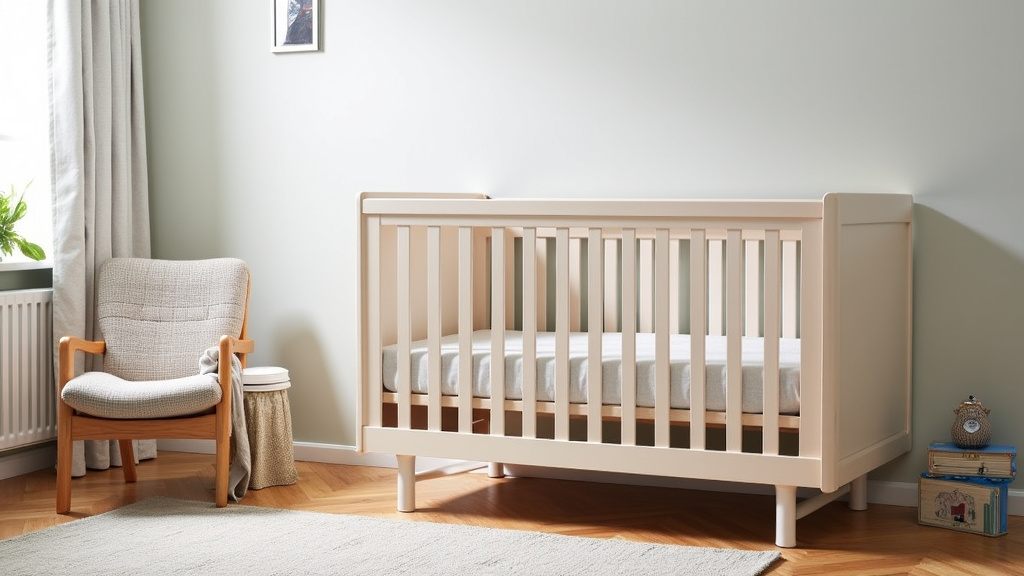
Planning for the Long Haul: A Practical Checklist
Is a convertible crib right for you? Use this checklist to decide.
- Space Planning: Do you have room for the crib to potentially become a full-size bed?
- Timeline: Are you planning to use this furniture for more than four years?
- Second Child: Is there a chance a younger sibling might use the crib later?
- Style Stability: Are you choosing a timeless style that won’t feel dated in five years?
- Budget Check: Can you handle the upfront cost for the long-term payoff?
- Kit Availability: Is the necessary conversion kit included, or easy to buy later?
Convertible Crib Stages at a Glance
Understanding the timeline helps you visualize the journey. Here’s a simple breakdown of how the stages typically work.
| Stage | Age Range (Approximate) | What It Is |
|---|---|---|
| Infant Crib | Birth to 2 Years | Standard crib with adjustable mattress height. |
| Toddler Bed | 2 to 5 Years | Crib with one side rail removed for easy access. |
| Daybed | 3+ Years | A toddler bed with a finished back and sides. |
| Full-Size Bed | 5 Years and Up | A full bed frame, often using the crib’s headboard/footboard. |
Final Thoughts Before You Buy
A convertible crib is a piece of furniture that adapts to your child’s changing needs. It provides a consistent, safe sleep space from infancy through childhood. By choosing a model that fits your lifestyle, you make a smart, long-term investment. Always prioritize safety features and solid construction over flashy add-ons. With proper care, the right convertible crib can serve your family well for years.
Conclusion
A convertible crib offers a smart, adaptable foundation for your child’s sleep space. You get a safe, consistent environment that transitions from a secure infant crib to a toddler bed, and often beyond. This single purchase provides **long-term value**, reduces furniture waste, and simplifies room planning as your child grows. The key is choosing a well-built model with the right conversion options for your family. Your next step is simple: review the practical checklist and begin comparing 2-in-1, 3-in-1, or 4-in-1 models that match your space and long-term goals.
Frequently Asked Questions
Do I need to buy a new mattress when converting the crib?
For the toddler bed stage, you typically use the same standard crib mattress. However, a **full-size bed conversion** requires a new full-size mattress. Always check the manufacturer’s specifications for the recommended mattress size for each stage of your specific crib model.
What if I can’t find the conversion kit years later?
This is an important consideration. It’s best to **purchase the crib from a reputable brand** that guarantees the availability of conversion kits for many years. Before buying, ask the retailer or check the company website to confirm the kit is currently in stock and supported.
How much extra work is the actual conversion process?
Conversions are generally straightforward. Most involve removing rails or panels and reattaching hardware. It typically requires basic tools like a screwdriver and **30-60 minutes of your time**. Following the included instructions step-by-step makes it a manageable weekend task.
Are all convertible cribs the same quality and price?
No, they vary widely. **Price often reflects materials (solid wood vs. composite)**, the number of included conversions, and brand reputation. A 4-in-1 model with a full-size bed frame will cost more than a basic 2-in-1. Focus on safety certifications and sturdy construction over extra features.
Will a convertible crib look stylish in my child’s room as they get older?
To ensure it lasts stylistically, choose a **classic, simple design**. Avoid cribs with overly trendy or babyish details. A clean-lined, neutral-colored crib will blend seamlessly as the room transitions from a nursery to a toddler space and beyond, making it a more versatile long-term piece.