
What Is the Point of a Convertible Crib?
A convertible crib is a smart choice for parents because it grows with your child, easily changing from a crib to a toddler bed and eventually a daybed or full-size bed. This means you buy one piece of furniture that serves your child through many different stages, offering long-term value and saving you money over time. It’s designed for convenience and the changing needs of a growing family.
You might wonder if one crib can truly do it all. Research and our findings show that convertible cribs are engineered for durability and safety across their different configurations. They are a practical investment, reducing the need for frequent furniture purchases as your little one gets bigger. Many parents find them to be a cost-effective solution for nursery furniture.
- Grows with your child from baby to teen.
- Saves money by avoiding multiple bed purchases.
- Offers a safe sleeping space for each stage.
- Available in many styles to match your decor.
Let’s dive into what makes a convertible crib such a popular and practical choice for nurseries and beyond.
Why Choose a Convertible Crib? Understanding Its Core Benefit
So, what’s the big idea behind a convertible crib? At its heart, a convertible crib is designed to save you money and hassle over the years. Instead of buying a new bed every few years, this one piece of furniture adapts to your child’s growth. Think of it as a long-term investment in your child’s sleeping comfort and safety.
How Does a Convertible Crib Actually Work?
A convertible crib isn’t magic, it’s just smart design. It starts as a standard baby crib, with high sides for safety. Then, as your child grows, you can remove certain parts to transform it. This allows it to become a toddler bed, and often a daybed or even a full-size bed frame. You’re essentially buying furniture that changes with your child.
From Crib to Toddler Bed: The First Big Change
The most common transformation is from a crib to a toddler bed. Most convertible cribs come with a toddler guardrail. This rail attaches to the side of the bed. It prevents your little one from rolling out while they adjust to sleeping in a lower bed. This stage usually happens when your child is around 18 months to 3 years old. They might be trying to climb out of the crib, or simply ready for a bit more independence. We found that this transition is much smoother when the bed still offers some familiar safety features.
Beyond Toddlerhood: Daybeds and Full-Size Beds
Many convertible cribs go even further. They can convert into a daybed. A daybed looks similar to a sofa with a back and sides. It’s a great option for a preschooler. It offers a comfortable spot for lounging or napping. Some advanced models can even turn into a full-size bed frame. This usually involves purchasing extra hardware. This means the crib frame can be used for many years, potentially until your child goes off to college!
Full-Size Bed Conversion Considerations
When looking at cribs that convert to full-size beds, there are a few things to check. You’ll need to make sure the conversion kit is included or available for purchase. Sometimes, you’ll need a separate mattress for the full-size bed. We found that checking the manufacturer’s specifications is key here. It ensures you know exactly what’s needed for each stage.
The Financial Advantage: Saving Money Over Time
Let’s talk about your wallet. Buying separate beds for each stage can add up quickly. A crib for a baby, a toddler bed, then a full-size bed. That’s three purchases. A convertible crib consolidates this into one. While the initial cost might seem higher, you’re actually getting a great deal in the long run. Research indicates that this single purchase can save parents hundreds of dollars over the child’s first decade (Consumer Reports). It’s a smart way to manage nursery and bedroom furniture budgets.
Cost Comparison: A Quick Look
Consider this breakdown. A standard crib might cost between $200-$500. A toddler bed can range from $150-$400. A full-size bed frame could be $300-$700 or more. This adds up to potentially $650-$1600+. A good quality convertible crib often falls in the $300-$800 range. But it serves multiple functions. You can see how the long-term savings are significant.
Safety and Longevity: Built to Last
You might wonder if a crib that changes its form can still be safe. Reputable manufacturers design convertible cribs with safety as a top priority. They meet strict safety standards set by organizations like the Consumer Product Safety Commission (CPSC). When properly assembled and maintained, these cribs are safe for each configuration. We found that checking for certifications and reading reviews can give you extra peace of mind. The materials used are typically sturdy wood or metal, designed to withstand years of use.
What to Look For in a Convertible Crib’s Construction
When you’re shopping, pay attention to the build quality. Does the wood feel solid? Are the joints secure? Are there any sharp edges or pinch points? Look for finishes that are non-toxic and lead-free. Many experts recommend choosing cribs made from durable hardwoods like pine or oak. These materials tend to be stronger and last longer. Always ensure that any conversion kits are also made from sturdy materials.
Understanding Safety Standards
It’s essential for any crib to meet current safety standards. For cribs, this means specific slat spacing to prevent head entrapment. It also includes robust construction to prevent collapse. The CPSC sets these guidelines. They regularly update them to reflect new research. Convertible cribs must meet these standards in all their configurations. We found that a well-made convertible crib offers the same safety as a traditional crib.
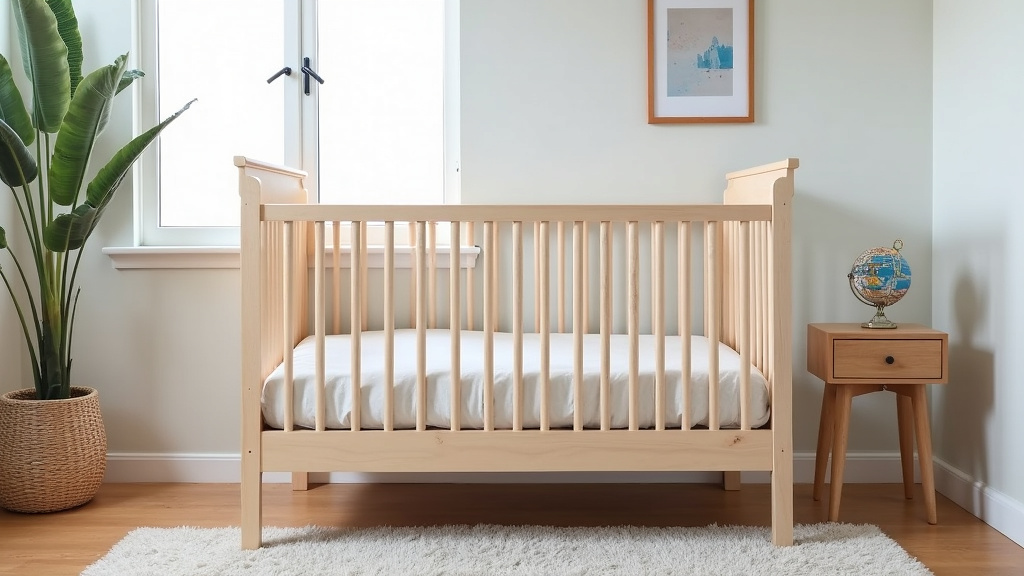
Matching Your Nursery Style: Form Meets Function
Beyond practicality, convertible cribs come in a wide range of styles. You don’t have to sacrifice aesthetics for functionality. You can find them in traditional, modern, rustic, or minimalist designs. Many brands offer matching dressers and changing tables. This helps you create a cohesive nursery look. It’s wonderful when furniture can be both practical and beautiful.
Tips for Choosing a Style You’ll Love
Think about your home decor. Do you prefer natural wood tones or painted finishes? Are you drawn to sleek lines or more ornate details? Consider the size of your nursery. A larger crib might feel overwhelming in a small room. We found that looking at nursery design inspiration can help. It gives you ideas for how a crib can fit into the overall theme.
Ensuring a Smooth Transition for Your Child
Switching to a new bed can be a big adjustment for a child. Experts suggest making the change when your child is ready, not just because the crib is old. Signs include attempting to climb out or showing a desire for more independence. We found that introducing the new bed gradually can help. Let your child explore it while it’s still in crib mode, for example. Read stories about growing up. Make it a positive experience!
Your Convertible Crib Checklist
Ready to find the perfect convertible crib? Keep this list handy:
- Safety Certifications: Ensure it meets CPSC standards.
- Material Quality: Look for sturdy wood or metal.
- Conversion Kits: Confirm all needed parts are included or available.
- Style Match: Pick a design that fits your nursery theme.
- Reviews: Read feedback from other parents on durability and ease of use.
- Mattress Compatibility: Check the size needed for each stage.
The Long and Short of It: A Smart Investment
Ultimately, the point of a convertible crib is to offer flexibility, longevity, and savings. It adapts to your child’s changing needs, providing a safe and comfortable sleeping space from infancy through adolescence. It simplifies furniture purchases and helps you create a beautiful, functional room that grows with your family. Many parents tell us it’s one of the smartest nursery investments they’ve made.
Conclusion
You’ve seen how a convertible crib is much more than just a baby bed. It’s a smart investment designed to grow with your child. You get a safe sleeping space that transforms from crib to toddler bed, daybed, and even a full-size bed. This means long-term savings and less hassle when buying new furniture. Plus, with so many styles available, you can find one that perfectly fits your home. Ready to make your choice? Start by checking safety certifications and reading reviews to ensure you find a durable, safe, and stylish convertible crib that works for your family for years to come.
Frequently Asked Questions
How long can a convertible crib actually be used?
A good quality convertible crib can often be used for 10 years or more. It starts as a baby crib, then transforms into a toddler bed, a daybed, and eventually a full-size bed frame. This single piece of furniture can potentially last through childhood and into the teen years.
Do convertible cribs require special mattresses?
Generally, no. Convertible cribs typically use standard crib mattresses for the infant stage. When converting to a toddler bed, you might use the same mattress if it fits well. For a full-size bed conversion, you will need a standard twin or full-size mattress, depending on the crib model.
Is a convertible crib safe for a newborn?
Yes, absolutely. In its initial crib configuration, a convertible crib is designed to meet all current safety standards for newborns. The high sides and sturdy construction ensure a safe sleeping environment for your baby.
What is the main difference between a 3-in-1 and a 4-in-1 convertible crib?
The main difference is the number of transformations possible. A 3-in-1 crib typically converts from a crib to a toddler bed and then a daybed. A 4-in-1 crib usually includes the ability to convert into a full-size bed frame as well, offering more long-term use.
Are convertible cribs difficult to assemble and convert?
Assembly can vary by brand, but most come with clear instructions. Converting the crib from one stage to another usually involves removing or adding specific pieces. While it requires some effort, it’s generally manageable for parents, especially with the included hardware.