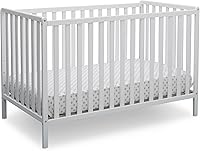
How to Set Up a Baby Crib
To set up a baby crib, follow its assembly instructions, secure every fastener, set the mattress support to the right height, and inspect the crib before use. Keep the sleep space clear and use only a firm, correctly sized mattress.
On this page (7 sections)
To set up a baby crib, follow its assembly instructions, secure every fastener, set the mattress support to the right height, and inspect the crib before use. Use a firm, correctly sized mattress and keep the sleep space clear.
Start with the crib manual and a clear work area. Keep the hardware together, assemble the frame in the order shown, and complete the final checks before placing your baby in the crib.
What do you need before setting up a baby crib?
You need the crib’s instructions, all included parts and hardware, and a firm mattress that fits the crib. Gather the tools named in the manual, then make sure you have enough floor space to lay out the pieces.
Unpack the parts carefully and compare them with the instructions’ parts list. Set aside anything that looks cracked, bent, or damaged, and contact the manufacturer for guidance before assembly if a required part is missing.
Choose a stable location away from cords, windows, and other hazards. Leave enough room to assemble the frame without leaning it against furniture or forcing parts into place.
How do you assemble a baby crib?
Assemble the crib in the sequence shown in its manual, using only the supplied hardware and the tools the manufacturer specifies. Follow each step closely, since the order can affect how the frame fits together.
If you want a step-by-step walkthrough, see how to assemble a crib. Convertible models may have extra parts or instructions for later stages, so keep the manual and any unused parts in a safe place.
Tighten fasteners as directed rather than guessing how much force to use. Don’t substitute hardware, drill new holes, or modify a crib to make pieces fit.
How to set up a baby crib with adjustable mattress heights
Set the mattress support at the highest position allowed for a newborn who cannot sit or pull up, if the manual permits it. Lower it as your baby develops, and before they can sit, pull up, or stand.
Cribs differ in how many positions they offer. For example, the DaVinci Jenny Lind has four adjustable mattress heights, while the Dream On Me Aden mini crib and Jayden mini crib have three.
Use the manual for your crib’s exact settings and adjustment steps.
These options fit different room and furniture needs, but the setup checks are the same: follow the manual, secure the support, and confirm it sits evenly before use. For help choosing a crib before assembly, read what to look for in a safe baby crib.
How do you position the crib mattress?
Place a firm mattress made for the crib on the mattress support, then check that it lies flat and fits snugly on all sides. Follow both the crib and mattress instructions for fit and use.
Don’t add a second mattress, padding, or an improvised insert to close a gap. If the mattress shifts, bows, or leaves space around its edges, stop and confirm that it’s the right type and size for the crib.
Use a fitted sheet that stays securely on the mattress. Learn more about best baby crib bedding sets and how to sew a fitted crib sheet if you’re choosing or making one.
What should you inspect before first use?
Before your baby uses the crib, check every joint, fastener, support, and surface for a secure fit or visible damage. Repeat the inspection if the crib has been moved or adjusted.
Walk around the crib and check:
- All required hardware is present and tightened as directed.
- The mattress support is attached at one matching height on both sides.
- The mattress lies flat and fits the crib.
- No piece is cracked, bent, loose, or sharp.
- The crib sits steadily on the floor.
- Wheels, if included, are locked before use.
The DaVinci Jenny Lind includes rolling, lockable wheels. If a crib has wheels, follow its manual for when and how to lock them.
Use this crib safety checklist for a more detailed inspection. If a part is missing or damaged, don’t use the crib until you’ve followed the manufacturer’s instructions for resolving the issue.
How do you keep the crib ready for safe sleep?
Keep the crib clear except for the fitted sheet and firm mattress. Place your baby on their back for sleep and follow current safe-sleep guidance.
Leave pillows, loose blankets, toys, and other soft items out of the sleep space. Don’t hang cords or attach items to the crib unless the manual and current safety guidance allow them.
As your baby grows, lower the mattress when needed and check the frame and fasteners regularly. These crib safety tips for newborns can help you keep the setup simple, and a crib that grows with baby explains how convertible features change over time.
If you’re choosing sheets, compare options such as a best crib sheet for a baby boy by fit and care needs. The sheet should fit the mattress securely; color and style don’t change the setup checks.
When should you stop and ask for help?
Stop assembly or use if a part is missing, damaged, or won’t fit as the instructions show. Contact the manufacturer for the correct replacement or guidance instead of using a substitute.
Recheck the manual after moving the crib, changing the mattress height, or converting it to another stage. Make sure the crib is assembled for the configuration you’re using, since parts and instructions can differ across stages.
What are the final checks before your baby’s first sleep?
Before first use, confirm that the frame is secure, the mattress is flat and fitted, and the sleep space is empty. Follow the crib manual and current safe-sleep guidance if any detail is unclear.
A simple rule helps: finish assembly first, set and secure the mattress support, fit the mattress and sheet, then inspect the entire crib. If anything seems loose, damaged, or mismatched, pause and resolve it before use.
Choose a crib that fits your room and follow its manual through every adjustment. The DaVinci Jenny Lind offers four mattress heights, while the Aden and Jayden mini cribs each offer three; check each model’s instructions for the exact setup and later conversions.
Frequently asked questions
How do you set up a baby crib safely?
Follow the crib’s assembly manual, use the included hardware, and tighten each fastener as directed. Set the mattress support to the height allowed for your baby’s stage, use a firm mattress that fits the crib, and check for loose parts or damage before first use.
Keep the sleep space clear.
What height should a crib mattress be set at?
Use the highest position only when your crib’s manual allows it for a newborn who cannot sit or pull up. Lower the mattress as your baby develops and before they can sit, pull up, or stand, following the crib instructions.
Cribs vary, so use their specific height settings.
What should you put in a crib before the baby sleeps?
Use only a firm, correctly sized crib mattress with a fitted sheet made for that mattress. Keep pillows, blankets, toys, bumpers, and other soft items out of the sleep space.
Check current safe-sleep guidance and your crib manual if you have questions about a specific item.
How do you know a crib is assembled correctly?
Check the manual’s final inspection steps and confirm that all required parts are present, fasteners are secure, and the mattress support is firmly attached at the chosen height. Look for cracks, sharp edges, gaps, or movement that the instructions don’t allow.
Don’t use the crib if a part is missing or damaged.