
Crib That Grows With Baby: A Simple Guide
A Crib That Lasts: Understanding Convertible Models
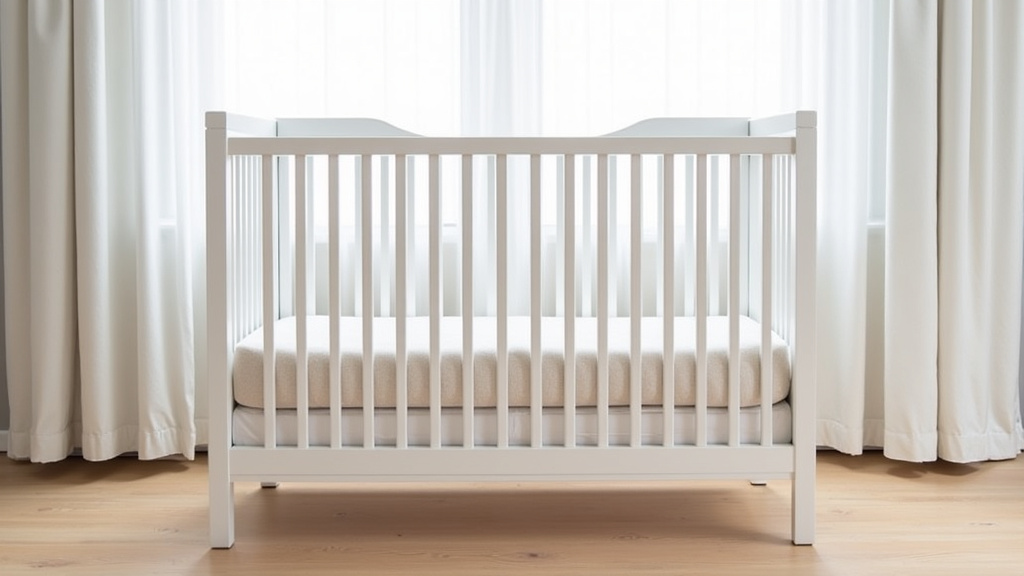
You’re looking for a crib that doesn’t end up in a landfill after two years. A convertible crib, often called a 4-in-1 or 3-in-1 crib, is designed to transform as your child grows. It starts as a standard crib, then converts to a toddler bed, a daybed, and sometimes a full-size headboard. The goal is a single furniture piece that serves you for five years or more. This approach makes sense for both your wallet and your home.
We found that the real value isn’t just in the multiple stages, but in the consistent style and quality a single piece provides. You avoid the headache of shopping for a toddler bed frame later. Plus, these cribs often become a familiar, comforting piece of furniture in your child’s room for years.
Why a Convertible Crib is a Smart Long-Term Choice
Choosing a convertible crib is a financial and practical decision. The initial cost is higher than a basic crib, but it eliminates the future purchase of a separate toddler bed frame. You’re essentially pre-buying your child’s bed. For many families, this long-term investment creates peace of mind.
There’s also an emotional benefit. A crib that grows with your baby provides a constant in their room during big transitions. Moving from a crib to a bed is a huge step. Having the same frame, just with a side removed, can make that change feel less abrupt and more secure for a toddler.
The Core Benefit: Cost Per Year of Use
Think about it like a cost-per-year calculation. A basic crib might last three years. A convertible crib used until age five divides its cost over more time. When you break it down, the long-term price is often lower. This makes it a budget-friendly choice over the long haul.
Key Features to Look For: Your Convertible Crib Checklist
Not all convertible cribs are created equal. You need to look past the pretty finish and check the essential details. Here’s what matters most for safety, durability, and true long-term use.
- JPMA Certification: Look for this seal. It means the crib meets or exceeds all safety standards set by the Juvenile Products Manufacturers Association.
- Sturdy Construction: Give it a gentle shake. The crib should feel solid with no wobbles. Solid wood or high-quality engineered wood is best.
- Adjustable Mattress Heights: At least two positions are standard. A higher position for your newborn saves your back, and a lower position for a mobile baby keeps them safe.
- Conversion Kit Compatibility: Does the toddler rail come included? If not, check that you can buy it easily later. A good brand keeps parts available for years.
- Safety-First Finishes: The paint or stain should be lead-free and non-toxic. This is non-negotiable for a piece your baby will chew on.
- Standard Crib Mattress Size: Ensure it fits a standard size crib mattress. This gives you the most options for mattresses now and later.
The Most Common Conversion Pathways Explained
Most convertible cribs follow a similar journey. Understanding these stages helps you plan for the future. The exact steps depend on the model you buy.
| Starting Stage | Typical Conversion | What’s Usually Needed |
|---|---|---|
| Full-Size Crib | Toddler Bed | Removal of one side rail and installation of a shorter guard rail. |
| Toddler Bed | Daybed | Removal of the toddler guard rail entirely, leaving an open side. |
| Daybed | Full-Size Headboard | Use of the back panel only, often with included brackets to attach to a standard bed frame. |
You might see cribs marketed as “3-in-1” or “4-in-1.” The difference is often that a 4-in-1 includes hardware to make a full bed. A 3-in-1 typically goes from crib to toddler bed to daybed. Decide which final stage matters most to you.
Safety Considerations Never Take a Backseat
Safety standards for cribs are strict for very good reason. The U.S. Consumer Product Safety Commission (CPSC) has firm guidelines to prevent entrapment and falls. When you convert a crib, these rules still apply.
The toddler guard rail is a critical safety component. It must be securely attached. The space between the rail slats must meet safety standards. Never use a converted crib without the proper, manufacturer-approved parts.
The American Academy of Pediatrics (AAP) recommends that you move your child to a toddler bed when they are 35 inches tall. This is often around the age of three. The standard is based on height, not age, because every child is different.
Transitioning Your Child: Tips for a Smooth Move
How do you talk to your toddler about this big change? Frame it as a reward for growing up. “You’re such a big kid now, you get a big kid bed!” Keep their familiar bedding. Place the new bed in the same spot the crib was.
You can expect some testing of the new boundaries. A toddler bed is open. Nap time might be tricky for a few days. Stay consistent with your routine. Many parents find the transition takes about a week of patience.
Durability and Materials: Built to Last
You’re planning for five or more years of use. The materials must hold up. Solid hardwoods like maple, oak, or walnut are incredibly durable. They withstand bumps and wear beautifully. High-quality engineered wood, like birch plywood, is also a strong and stable choice.
The finish should be durable too. A multi-step, non-toxic finish resists scratches and is easy to clean. Avoid cribs with obvious knots or cracks in the wood, as these can weaken over time. A well-made convertible crib is an heirloom-quality piece.
Cost Analysis: What’s the Real Investment?
The price range for convertible cribs is wide. You can find basic models for a few hundred dollars, while premium brands can cost over a thousand. We researched common price points and found the sweet spot for value is often in the mid-range.
Consider this: a basic crib ($300) plus a separate toddler bed frame ($150) plus a full-size headboard ($200) equals $650. A quality convertible crib ($600) that does it all might be a smarter spend. You also save on future tax and shipping.
When a Convertible Crib Might NOT Be For You
This type of crib isn’t perfect for every situation. If you live in a small space and plan to move soon, a simpler setup might be better. If you know you want a specific design for a toddler bed, you might prefer to choose each piece separately.
Some parents also find that their child rejects the converted crib bed. They want a completely new “big kid” bed with a special theme. While the converted crib can still be used, the emotional investment might not pay off for that family.
Your Simple Buying Guide: Final Thoughts
Take a breath. Choosing a crib is a big decision, but it doesn’t have to be overwhelming. Start with safety and convertibility features first. Style is important, but it comes after solid construction and smart design.
Measure your room. A convertible crib is a substantial piece of furniture. Make sure you have space for it now, and that you can access the conversion parts later. Think about the whole journey, from newborn naps to preschool story time.
Ultimately, you’re choosing a centerpiece for your child’s earliest years. The right convertible crib offers safety, style, and longevity. It grows right alongside your baby, from their first night home to their first steps into a bigger bed.
Conclusion
A convertible crib is a practical and cost-effective choice that grows with your child. It offers a safe, familiar piece of furniture that lasts from newborn naps to preschool years. Remember to focus on safety certifications, solid construction, and the availability of conversion parts. This single investment can simplify your shopping and provide consistent comfort for your little one. Next, use the checklist we covered to compare options. Measure your space and plan for the long term. You are now ready to choose a crib that will serve your family well for years.
Frequently Asked Questions
How do I clean and maintain a convertible crib?
Use a soft, damp cloth with mild soap for routine cleaning. Avoid abrasive cleaners that can damage the non-toxic finish. Check all hardware periodically to ensure everything remains tight and secure.
What should I do if a part breaks or gets lost during conversion?
Contact the manufacturer for replacement parts. Many brands keep parts in stock for years after purchase. Never use substitute or homemade parts, as this can compromise safety.
Are convertible cribs compatible with all standard mattresses?
Most convertible cribs are designed to fit a standard-size crib mattress. Always verify the mattress dimensions in the crib’s manual. A snug fit is essential to prevent dangerous gaps.
How do I know when it’s time to convert from a crib to a toddler bed?
The American Academy of Pediatrics suggests moving when your child is 35 inches tall. This often happens around age three, but height is the key factor. Watch for signs like climbing out of the crib.
Can I use a convertible crib as a co-sleeper or beside my bed?
No, convertible cribs are intended for use in the baby’s room, away from your bed. They are not designed for co-sleeping and must follow safe sleep guidelines. Place the crib in a clear area, free from cords and hazards.