Convertible Crib for Small Spaces: A Simple Guide
On this page (7 sections)
Yes, a convertible crib for small spaces can be a fantastic solution when you need to maximize every inch of your nursery. These clever cribs are designed to grow with your child, often transforming into toddler beds or even full-sized beds. You don’t have to sacrifice style or safety for a smaller footprint.
Finding the right furniture for a cozy room can feel challenging. If you may move the crib between rooms, see our guide to cribs with wheels. Many parents worry about fitting a crib without making the space feel cramped. We found that many convertible cribs are specifically designed for these situations, offering smart storage and compact designs that work well.
- Convertible cribs save space.
- They adapt as your child grows.
- Look for smart storage features.
- Compact designs are ideal.
- Safety is always the top priority.
Let’s dive into how you can pick the perfect convertible crib for your small space, ensuring it’s both functional and fits your style.
Choosing a Convertible Crib for Compact Nurseries
When space is tight, a convertible crib can feel like a miracle. It’s a smart choice for smaller rooms. You get a safe sleep space for your baby. Plus, it changes as they grow. This means one piece of furniture lasts for years. We looked into what makes a convertible crib work best in a small nursery.
Why Convertible Cribs Shine in Small Spaces
Convertible cribs are designed with multi-functionality in mind. This is exactly what you need when every square foot counts. They start as a safe, standard crib. Then, with a few adjustments, they can become a toddler bed or even a daybed. This longevity means you don’t have to buy a new bed every few years.
Think about it: a crib for infancy, then a toddler bed, and maybe even a twin bed later. That’s potentially three beds in one. For a small room, this reduces clutter and saves you money. It’s a win-win for both your space and your budget.
Space-Saving Transformations
The “convertible” part is key. Most models transform by removing the crib rails. Some come with conversion kits to become a toddler bed with a guardrail. Others can become a full-size bed frame. This adaptability is fantastic for small spaces. You don’t need to find room for multiple pieces of furniture as your child gets older. The crib simply adjusts its footprint.
Long-Term Value and Sustainability
Investing in a convertible crib is a cost-effective decision. You’re buying a piece of nursery furniture that serves multiple purposes over many years. This also aligns with more sustainable practices. Instead of discarding old furniture, you’re repurposing what you already have. Many experts suggest this approach for reducing waste.
Key Features to Look for in a Small Space Convertible Crib
Not all convertible cribs are created equal, especially when you’re trying to fit one into a cozy room. We found that certain features make a big difference. Prioritizing these can help you find a crib that’s both functional and fits well.
Compact Dimensions Are Your Friend
This is non-negotiable for small spaces. You need to know the exact measurements before you buy. Look for cribs that have a smaller overall footprint. Standard cribs can be quite bulky. Many brands now offer “compact” or “space-saver” versions of their convertible cribs. These are designed to be slimmer without compromising on safety standards. Families planning sleep spaces for two babies can also review convertible cribs for twins.
Always measure your nursery space first. Make sure you account for the crib’s placement and any surrounding furniture or walkways. A few inches can make a big difference in how spacious the room feels. A compact crib can often fit where a larger one simply wouldn’t.
Smart Storage Solutions
When space is limited, every piece of furniture should ideally serve a dual purpose. Some convertible cribs come with built-in storage. This could be a drawer underneath the crib mattress. Or, the design might incorporate shelving or cubbies on the sides.
Think about where you’ll store diapers, extra bedding, or baby toys. A crib with integrated storage can significantly reduce the need for separate dressers or shelves. This keeps the room tidier and more open. We found that drawers are especially useful for keeping essentials out of sight.
Under-Crib Drawers
These are a lifesaver. A deep drawer that slides out from under the crib can hold a surprising amount. You can stash extra sheets, blankets, or even out-of-season baby clothes. This keeps the main nursery area clear.
Integrated Shelving or Cubbies
Some designs feature open shelving or cubby-like compartments. These are great for displaying books or storing frequently used items. Just be mindful of keeping these areas tidy to avoid visual clutter.
Adjustable Mattress Height Settings
Most cribs offer multiple mattress height settings. This is standard for safety. You start with the mattress high for newborns. Then, you lower it as your baby becomes more mobile and can pull themselves up. For a small space, ensure the lowest setting still allows for easy access. You don’t want to be reaching too far down.
The adjustment mechanism should be easy to use. You’ll be doing this a few times over the crib’s lifespan. Look for sturdy metal hardware. This ensures the mattress support is stable and secure at each level. Safety is always the top priority.
Safety Standards: Non-Negotiable for Any Crib
No matter how small your space or how clever the design, safety is the most important factor. You need to ensure the crib meets all current safety regulations. This protects your little one.
Understanding Safety Certifications
In the United States, the primary safety standard for cribs is set by the Consumer Product Safety Commission (CPSC). Look for cribs that explicitly state they meet or exceed CPSC standards. This means they have passed rigorous testing for things like structural integrity, lead paint, and slat spacing.
The Juvenile Products Manufacturers Association (JPMA) also offers a certification program. JPMA-certified products have been independently tested and meet industry safety standards. It’s a good indicator of a product’s safety compliance.
Slat Spacing and Rail Height
For safety, the distance between crib slats should be no more than 2 3/8 inches. This prevents a baby’s head from getting stuck. The side rails should also be a specific height. This prevents babies from climbing out. These measurements are detailed by safety organizations like the American Academy of Pediatrics (AAP).
No Drop-Side Rails
Drop-side cribs were phased out years ago due to safety concerns. Make sure the crib you choose does not have this feature. All stationary side rails are the standard now. This prevents the side rail from accidentally lowering.
Material Quality and Finish
The materials used in a crib are important for both durability and safety. Most good quality cribs are made from solid wood. This provides a sturdy structure. Look for non-toxic finishes. Babies can sometimes chew on crib rails. Ensure any paint or stain is lead-free and low in VOCs (Volatile Organic Compounds).
We found that water-based paints are generally considered a safer option. Always check the product description for details on the finish. Reputable brands will be transparent about their materials and finishes.
Types of Convertible Cribs Suitable for Small Rooms
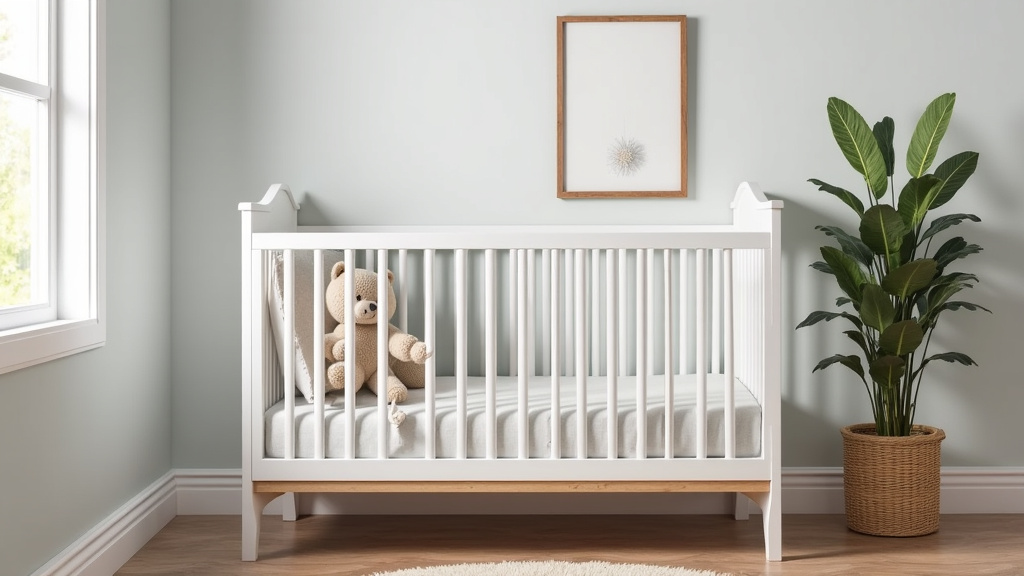
When you’re shopping, you’ll notice different styles of convertible cribs. Some are better suited for tight spaces than others. Understanding these differences can help you narrow down your choices.
Standard Convertible Cribs (4-in-1)
These are the most common type. They typically convert from a crib to a toddler bed, daybed, and then a full-size bed. They often have a generous footprint. You’ll need to carefully check the dimensions. Some 4-in-1 cribs can be quite large, even when in crib mode. If you have a bit more flexibility or the room isn’t extremely tiny, these can still work if you find a more compact model.
Mini Convertible Cribs
As the name suggests, these are smaller versions of standard cribs. They are specifically designed for smaller rooms, apartments, or as a secondary crib. Mini cribs typically convert into a toddler bed. They offer a more compact sleeping surface for your baby.
The main difference is the mattress size. Standard cribs use a 28″ x 52″ mattress. Mini cribs usually use a 24″ x 38″ mattress. While this saves space, ensure your baby has enough room. Many parents find mini cribs perfectly adequate for the first few years. They can be a fantastic solution for a tight nursery.
Convertible Cribs with Built-in Storage (3-in-1 or 4-in-1)
These combine the convertibility feature with added storage. They might have drawers underneath or shelving. These can be a great choice for small spaces because they serve two functions. You get a safe sleep area and needed storage in one furniture piece. However, the added storage can sometimes increase the overall footprint. So, you’ll still need to measure carefully.
Tips for Measuring and Planning Your Space
Before you fall in love with a particular crib, a little planning goes a long way. Measuring your space accurately will prevent headaches later on.
Measure Your Room, Twice!
This can’t be stressed enough. Take out a measuring tape and measure the available floor space for the crib. Don’t forget to measure doorways and hallways too! You need to be able to get the crib into the room. Account for any built-in closets or other furniture that will remain in the room. Remember to leave space for a changing station or a comfortable chair if possible.
Consider the Crib’s Footprint in Each Stage
A crib’s dimensions change as it converts. A 4-in-1 crib, when converted to a full-size bed, will take up significantly more space than when it was a crib. If you plan to use the full-size conversion in the same room, you’ll need to envision that larger footprint. For most small spaces, the toddler bed or daybed conversion is the most practical long-term use within that room.
Layout Visualization
Sometimes, sketching a quick floor plan can help. Mark where the crib will go. Then, see how much space is left. You can use painter’s tape on the floor to mark out the dimensions of a potential crib. This gives you a tangible sense of how it will fit.
Here’s a quick checklist to guide your selection:
- Confirm crib dimensions fit your space.
- Check for built-in storage drawers or shelves.
- Verify it meets all CPSC safety standards.
- Ensure easy mattress height adjustments.
- Consider the mattress size (standard vs. mini).
- Look for non-toxic, durable materials.
Conclusion
Choosing a convertible crib for your small space doesn’t have to be a compromise. You’ve learned that smart features like compact designs and built-in storage can make all the difference. Remember to prioritize safety certifications and measure your room carefully. This ensures your chosen crib is not only stylish but also perfectly functional for your cozy nursery.
Your next step is to grab your measuring tape. Plan your nursery layout and start looking for convertible cribs that fit your specific needs. You can create a safe, beautiful, and space-efficient nursery for your little one.
Frequently Asked Questions
Are mini convertible cribs truly big enough for a baby?
Yes, mini convertible cribs are designed to be safe and adequate for infants and toddlers. While they use a smaller mattress, they meet the same safety standards as full-sized cribs. Many parents find them perfectly suitable for the first few years.
How do I know if a crib is safe for my baby?
Always look for cribs that explicitly state they meet or exceed CPSC safety standards. Check for certifications from organizations like JPMA. Ensure features like slat spacing and rail height are compliant with safety guidelines.
What kind of storage is most useful in a small nursery crib?
Under-crib drawers are incredibly useful for stashing essentials like extra bedding or diapers, keeping them out of sight. Integrated shelving or cubbies can also help organize frequently used items, but ensure they don’t create visual clutter.
Can a full-size convertible crib fit in a very small room?
It depends on the specific dimensions. Standard full-size convertible cribs can be quite large. You’ll need to carefully measure your space and compare it against the crib’s footprint in its crib mode. Opting for a compact model or a mini convertible crib might be a better choice.
When should I expect to convert the crib to a toddler bed?
You’ll typically convert the crib to a toddler bed when your child reaches about 18-24 months old and starts trying to climb out of the crib. Always follow the manufacturer’s guidelines for conversion stages and ensure the toddler guardrail is used for safety.