When Should a Convertible Crib Be Converted?
On this page (10 sections)
- Making the Switch: When to Convert Your Crib
- Signs Your Child is Ready for a Toddler Bed
- The Ideal Age Range for Conversion
- What Happens If You Convert Too Soon?
- What Happens If You Wait Too Long?
- Preparing for the Conversion: Key Steps
- Making the Convertible Crib Work for You: A Timeline Example
- Your Checklist for a Smooth Transition
- Conclusion
- Frequently Asked Questions
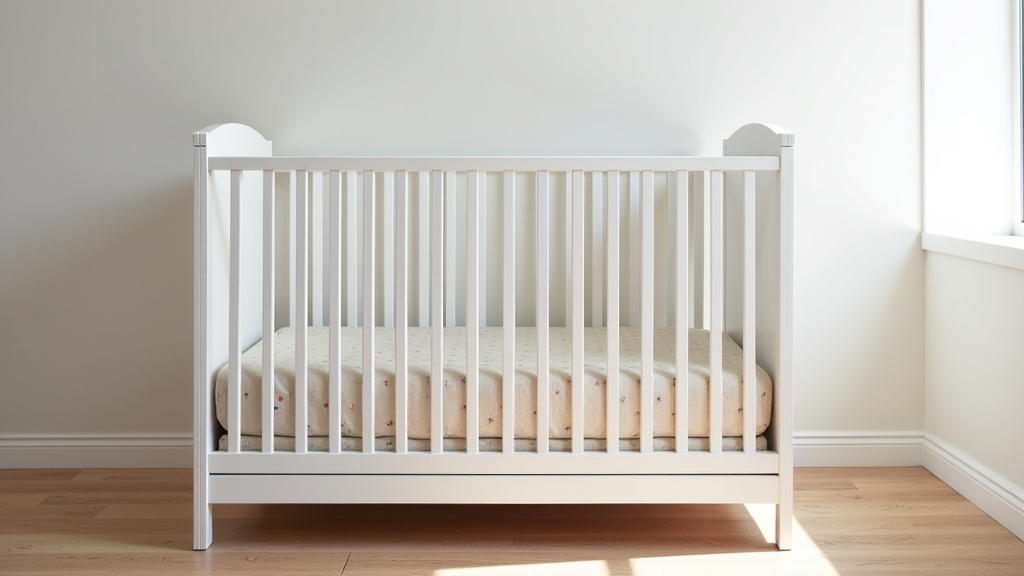
You should convert your convertible crib from a crib to a toddler bed or daybed when your child is ready. This usually happens between 18 months and 3 years old. Watch for your child climbing out or the crib’s top rail being below their chest when standing. Converting too soon can be unsafe, while waiting too long may lead to your little one trying to escape.
A convertible crib offers long-term value by transforming as your child grows. It’s a smart investment because it adapts to different stages. The key is recognizing your child’s developmental milestones and safety needs. Making the switch at the right time ensures continued safety and comfort for your growing toddler.
- Convert when your child tries to climb out.
- Switch if the crib rail is below their chest.
- Most kids are ready between 18 months and 3 years.
- Watch for signs your child is too big for the crib.
- Safety and comfort are the main reasons to convert.
Ready to help your little one transition to their next stage? Below, we’ll walk you through the signs to look for and what you need to know about converting your convertible crib.
Making the Switch: When to Convert Your Crib
You’ve likely invested in a convertible crib because you want a piece of furniture that grows with your child. But knowing You’ve likely invested in a convertible crib because you want a piece of furniture that grows with your child, and this guide details how cribs turn into beds.when to make that transition from crib to toddler bed or daybed is key. The right timing ensures your child’s safety and comfort. It also prevents unnecessary struggles for both of you. Let’s look at the signals your child might be sending.
Signs Your Child is Ready for a Toddler Bed
Your child’s development is the biggest clue. There isn’t a magical age for this change. Instead, observe your little one’s behavior and physical growth. These are the most reliable indicators that the crib stage is ending.
The Climbing Stage: A Major Red Flag
Has your toddler started to become a little daredevil? If they are attempting to climb over the crib rails, it’s a serious safety concern. This is often the most urgent sign that a conversion is needed. A fall from this height can lead to significant injuries. Research from organizations like the American Academy of Pediatrics strongly advises against allowing a child to sleep in a crib once they can climb out.
When you see even one leg dangling over the side, or they’re making determined efforts to get out, it’s time to seriously consider the next step. This isn’t a sign of misbehavior; it’s a natural part of their growing physical abilities and curiosity. Think of it as their way of saying, “I’m ready for more independence!”
Height Matters: Checking the Crib Rail Clearance
Another important physical cue is height. Cribs are designed with safety rails that should be at least 9 inches above the mattress support when the mattress is at its lowest setting. As your child grows taller, this measurement becomes critical. If your standing child’s chest is above the top rail of the crib, they might be able to easily pull themselves over the edge. Many safety guidelines suggest converting to a toddler bed when the child can stand and the top of the crib rail is below their chest.
You can easily check this yourself. Have your child stand up inside the crib. If they can easily reach or look over the top rail without stretching, it’s a strong signal that the crib is no longer a safe sleeping environment for them. It’s better to be safe than sorry when it comes to your child’s sleeping arrangements.
Growth Spurts and the Feeling of Being “Cramped”
Sometimes, it’s not about climbing or height, but simply about size. Your child might start to seem a bit cramped in their crib. They may fuss more when trying to get comfortable or appear to outgrow the space. While not as urgent as climbing, this feeling of being confined can disrupt their sleep and your peace of mind. Listen to your intuition; if the crib looks too small, it probably is.
Transitional Readiness: Behavioral Clues
Beyond physical signs, your child’s behavior can also indicate readiness. Are they showing increased independence in other areas, like dressing themselves or wanting to make their own choices? This might suggest they are mentally prepared for the change to a toddler bed. A toddler bed can feel like a bigger step towards being a “big kid,” which many children embrace.
The Ideal Age Range for Conversion
While every child is different, most experts and parents find that the sweet spot for converting a crib to a toddler bed falls between 18 months and 3 years old. Some children might be ready closer to 18 months, especially if they are on the taller side or show early signs of climbing. Others might happily sleep in their cribs until they are almost 3 years old.
Early Birds: Ready Around 18 Months
For those little ones who are early walkers and climbers, the 18-month mark can be a natural time to consider the switch. If you’ve noticed them testing the limits of their crib early on, don’t wait until it becomes a safety hazard. A toddler bed can offer them the space they need to move around more freely, and you gain the peace of mind knowing they can’t easily climb out.
The Later Bloomers: Closer to 3 Years Old
Conversely, some children are perfectly content and safe in their cribs well past their second birthday. If your child isn’t showing signs of climbing or outgrowing the space, there’s no rush. They may benefit from the secure feeling a crib provides. The goal is to make the transition when it feels right for your child, not just because a certain age is approaching. Waiting until they are closer to 3 years old is perfectly fine if they are still safe and happy.
What Happens If You Convert Too Soon?
Making the switch before your child is developmentally ready can sometimes create more problems than it solves. A toddler bed, while exciting, offers less containment than a crib. This can lead to increased nighttime wandering and challenges with falling back asleep. If your child is still very dependent on the crib’s structure for sleep, a sudden lack of it can be disorienting. Ensure they understand the new boundaries of their bed.
What Happens If You Wait Too Long?
On the flip side, waiting too long can also be problematic, especially if your child is already trying to climb out. As we’ve discussed, this is a major safety risk. Once they’ve mastered the art of escape, the crib is no longer a secure space. They might also become frustrated or anxious in a crib they perceive as too small or restrictive. This can lead to sleep disruptions and increased bedtime battles.
Preparing for the Conversion: Key Steps
Once you’ve decided it’s time, a little preparation goes a long way. Think about making the transition as smooth as possible. Introducing the new bed gradually can help your child feel more comfortable and excited about the change.
Involve Your Child in the Process
Letting your child see and interact with their new toddler bed can build anticipation. You might let them help choose new bedding or show them how the new bed works. Frame it as a step up to becoming a “big kid.” This positive framing can make them more eager to try it out.
Consider a Toddler Bed First
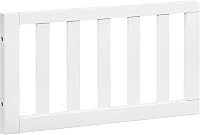
Many convertible cribs can transform into a toddler bed (which usually involves using one side rail from the crib) or a daybed (which is essentially a mattress on a frame with no rails). For many families, converting to a toddler bed first is a good intermediate step. It offers a sense of security with a toddler bed guardrail, easing the transition from the enclosed crib.
Safety First: Bed Rails and Room Setup
If you’re converting to a toddler bed or a daybed without full rails, consider adding a bed rail. This is especially important if your child is a restless sleeper or if the new bed has a high mattress. Childproofing the entire room is also essential. With a crib, a contained space was your primary safety measure. Now, the whole room becomes their sleeping environment. Ensure anything potentially hazardous is out of reach.
Making the Convertible Crib Work for You: A Timeline Example
Here’s a general idea of how the conversion stages might look. Remember, your child’s timeline will be unique.
| Stage | Approximate Age | Description |
|---|---|---|
| Standard Crib | 0-18+ months | The initial setup, focusing on safety and containment. |
| Toddler Bed (with rail) | 18 months – 3 years | First conversion, often using a guardrail from the crib. Provides a sense of security. |
| Daybed or Full-Size Bed | 2.5 – 4+ years | Further conversion to a daybed or a larger bed as your child grows and becomes more independent. |
Your Checklist for a Smooth Transition
Ready to make the switch? Here’s a quick checklist to ensure you’re prepared:
- Observe your child for climbing or outgrowing the crib.
- Check the crib rail height against your child’s standing height.
- Choose a time when your child is generally stable (avoid major life changes if possible).
- Prepare the new sleeping space for safety and comfort.
- Introduce the new bed positively and gradually.
- Have patience – there may be a few nights of adjustment.
Conclusion
Deciding when to convert your convertible crib is all about watching your child. You’ve learned the key signs, like climbing attempts or a rail that’s too low. You also know the typical age range, usually between 18 months and 3 years old. By paying attention to these signals, you can ensure your child’s sleeping space remains safe and comfortable as they grow. Your next step is to observe your child closely for these indicators, preparing for the transition when the time is right for them.
Frequently Asked Questions
How do I know if my child is too big for their crib?
You can tell your child is outgrowing their crib when they start to attempt climbing over the rails. Another sign is when their standing chest height is above the top rail. If they seem cramped or uncomfortable, it might also be time to consider a change.
Is it safe to convert the crib to a toddler bed before 18 months?
Generally, it’s best to wait until your child is at least 18 months old, and often closer to 2 or 3. Converting too early can lead to increased nighttime wandering and difficulty settling down. Always prioritize safety signs like climbing over waiting for a specific age.
What’s the difference between a toddler bed conversion and a daybed conversion?
A toddler bed conversion typically uses one of the crib’s side rails to create a lower bed with a guardrail for safety. A daybed conversion usually removes all rails, leaving a simple, open frame that looks more like a small sofa or a bed without a headboard or footboard.
Should I convert the crib to a toddler bed or a daybed first?
For most families, converting to a toddler bed first is the recommended step. The attached guardrail provides a sense of security, making the transition from the enclosed crib less abrupt. You can move to a daybed or a full-size bed later as your child becomes more accustomed to a non-crib sleeping environment.
What if my child seems scared of their new toddler bed?
It’s normal for some children to need time to adjust. You can help by making the bed inviting with their favorite bedding or stuffed animals. Spend extra time reading stories or singing songs in their new bed to build positive associations.