
What Exactly Is a Mini Convertible Crib for a Growing Family?
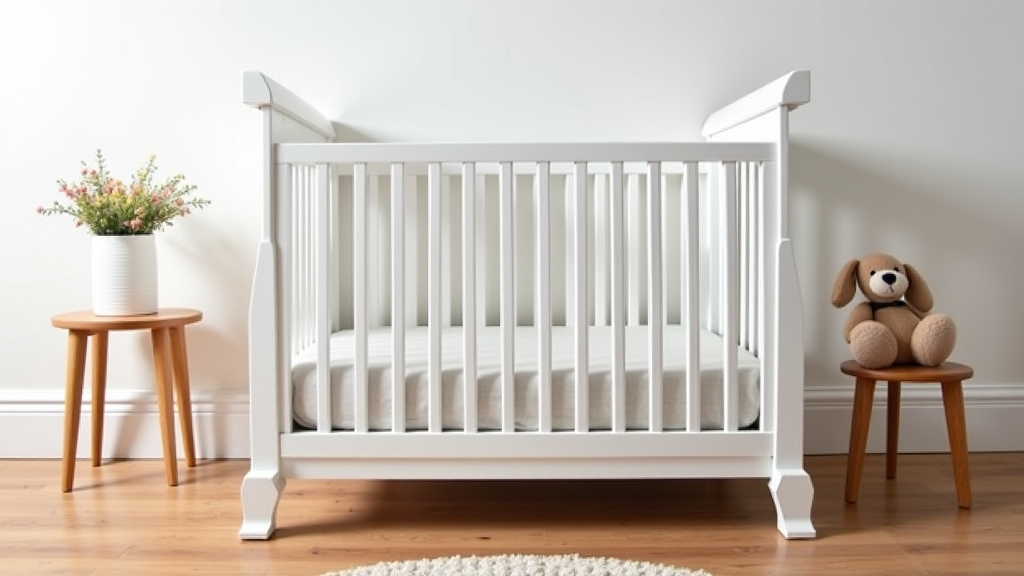
A mini convertible crib is a compact baby crib that can transform into other pieces of baby furniture as your child grows. Think of it as a smart investment for your nursery. It’s designed to adapt to your child’s changing needs, offering long-term use beyond the infant stage.
These innovative cribs often start as a standard bassinet size, perfect for newborns. Many can then expand to a toddler bed. Some even convert into a daybed or a small desk. This adaptability means you buy one piece of furniture that serves multiple purposes over several years, saving you money and nursery space. It’s a practical solution for modern families.
- A mini convertible crib is a space-saving baby bed.
- It changes into other furniture as your child grows.
- Options include toddler beds, daybeds, or desks.
- This offers long-term value and reduces waste.
- It’s a smart choice for smaller nurseries.
Let’s dive into what makes these cribs so popular and what you should consider when choosing one for your growing family.
Understanding the Mini Convertible Crib Concept
So, what exactly is this mini convertible crib we’re talking about? Think of it as a crib that grows with your child. It’s designed to be more than just a baby bed. It’s furniture that can transform over time. This means you won’t need to buy a new bed every few years. You can adjust it as your little one gets bigger.
These cribs are usually smaller than standard convertible cribs. They are perfect for smaller rooms. But don’t let the “mini” fool you. They still offer the same functionality. They adapt to different stages of your child’s development. It’s a smart choice for many families today.
The Evolution of a Crib: Stages of Transformation
The main appeal of a mini convertible crib is its ability to change. It starts as a safe space for your newborn. Then, it can become a bed for your toddler. This transition is usually pretty straightforward. It often involves removing a side rail or adding a conversion kit. These kits are usually sold separately.
Stage 1: The Newborn Bassinet/Crib
At its first stage, the mini convertible crib functions like a standard crib. Some models even start as a bassinet. This is great for keeping your baby close. The mattress height is often adjustable. You can lower it as your baby learns to sit up and stand. This keeps them safely inside.
The dimensions are usually smaller than a full-size crib. This makes them ideal for smaller nurseries. Many parents like this feature for apartments or smaller homes. It provides a cozy sleeping space. It also fits easily into your room if you choose to co-sleep initially.
Stage 2: The Toddler Bed Conversion
As your baby grows into a toddler, they’ll need more space and independence. This is where the convertible aspect really shines. You can remove one of the side rails. This creates an open side. It acts like a toddler bed. Your child can now climb in and out more easily.
This stage is important for building their confidence. They feel more grown-up having their own “big kid” bed. The transition can be smooth. Many toddlers adapt well to this change. It’s a familiar space they already know.
Stage 3 and Beyond: Daybed or Other Furniture
Many mini convertible cribs go a step further. They can often convert into a daybed. A daybed looks like a sofa without the back cushions. It’s still a low-profile bed. It can be a great option for a child’s room as they get older. Some even have the potential to become a small desk or a twin bed frame, though this is less common with the “mini” versions.
The versatility here is key. You are essentially buying multiple pieces of furniture. They are all integrated into one smart design. This saves you the hassle of shopping for new furniture. It also saves you storage space. You don’t have to store old crib parts.
Why Choose a Mini Convertible Crib? Benefits for Your Family
There are several reasons why families opt for these versatile cribs. The primary benefit is cost savings over time. You’re making one purchase that lasts for years. This can be hundreds of dollars saved.
Space-saving is another huge plus. Many modern homes don’t have vast nurseries. These cribs fit well in smaller rooms. They don’t feel as bulky as full-size models. They make the most of the available space. This is a win for parents and babies alike.
Space Efficiency and Design
We found that compact cribs are increasingly popular. They fit into any room layout. You can place them against a wall. They can even fit in a corner. This flexibility helps you arrange your nursery efficiently. You still have room for a changing table or a rocking chair.
The aesthetics are also worth noting. Mini convertible cribs come in various styles. You can find ones that match your home decor. They look sleek and modern. Some have clean lines. Others have a more traditional look. You don’t have to sacrifice style for practicality.
Long-Term Value and Sustainability
Buying furniture that lasts is good for your wallet. It’s also good for the environment. Instead of discarding old baby furniture, you reuse it. This reduces waste. Many experts highlight sustainability as a growing concern for consumers (EPA). A convertible crib fits this eco-friendly approach.
You’re investing in a piece of furniture. It serves your child from birth through early childhood. This is a smart financial decision. It supports your child’s needs as they grow. It avoids the constant cycle of buying new items.
Key Features to Look for in a Mini Convertible Crib
When you’re shopping, you’ll want to consider a few things. Not all mini convertible cribs are the same. Think about the materials used. Safety certifications are also important. Check how easy it is to convert.
Safety Standards and Certifications
Your baby’s safety is the number one priority. Look for cribs that meet current safety standards. The U.S. Consumer Product Safety Commission (CPSC) sets these standards. Many brands will clearly state they meet CPSC requirements.
We also recommend checking for certifications from organizations like JPMA. This means the product has been tested for safety. It’s always wise to read reviews. See what other parents say about the crib’s stability. Ensure the mattress support is sturdy. There should be no gaps where a baby could get stuck. Guidelines from the American Academy of Pediatrics (AAP) also offer advice on safe sleep environments.
Conversion Mechanisms and Kits
How easy is it to switch the crib from one stage to another? Some conversions are simple. Others require more effort and tools. You’ll want to know if a conversion kit is included. Sometimes, these kits are sold separately. You need to factor that into the total cost.
Think about when you’ll do the conversions. Will it be when your baby is asleep? Or will you need to do it during the day? A user-friendly mechanism is usually best. Check the instructions online before you buy. This can give you a good idea of the process.
Material and Durability
What is the crib made of? Most quality cribs are made from solid wood. Look for hardwoods like pine, oak, or maple. These are sturdy and durable. Avoid particleboard if possible, as it may not hold up as well over time.
The finish is also important. Is it a non-toxic paint or stain? Babies explore with their mouths. You want to ensure the finish is safe. Research the brand’s reputation. Some brands are known for their long-lasting products. This ensures your investment will be worthwhile.
A Checklist for Your Mini Convertible Crib Purchase
Ready to find the perfect crib? Use this quick checklist to guide your decision:
- Does it meet CPSC safety standards?
- Is the mattress base sturdy and adjustable?
- What are the conversion options (toddler bed, daybed, etc.)?
- Are conversion kits included or sold separately?
- What materials is the crib made from (e.g., solid wood)?
- What is the warranty and return policy?
Conclusion
You’ve learned that a mini convertible crib is a smart, space-saving choice for your growing family. It adapts with your child, offering a safe sleep space from infancy through toddlerhood and beyond. This means fewer purchases over time, saving you money and reducing waste. When choosing, always prioritize safety certifications and durable materials like solid wood. Making an informed decision now sets you up for years of reliable use. Take your time, compare options using our checklist, and find the perfect fit for your nursery.
Frequently Asked Questions
How small is a mini convertible crib compared to a standard one?
Mini convertible cribs are typically about 4-6 inches shorter in length than standard cribs. This makes them ideal for smaller rooms, apartments, or nurseries where space is a concern. While shorter, they maintain the same safe sleep height and functionality.
Do I need to buy conversion kits separately for a mini convertible crib?
This varies by brand. Some mini convertible cribs include the necessary conversion kit for a toddler bed in the purchase price. Others sell these kits separately. Always check the product description to understand what’s included and factor that into your total cost.
Are mini convertible cribs safe for newborns?
Yes, mini convertible cribs are designed to be safe for newborns. They function as a traditional crib, often with an adjustable mattress height. You can set it higher for a newborn and then lower it as they grow and become more mobile, ensuring they stay safely contained.
How long can my child use a mini convertible crib?
Typically, your child can use a mini convertible crib until they are ready for a full-sized bed, usually around age 3-4. The conversion to a toddler bed or daybed allows them to continue using the same familiar furniture for several years.
Can a mini convertible crib fit a standard crib mattress?
No, mini convertible cribs require a mini crib mattress, which is smaller than a standard crib mattress. Ensure you purchase the correct mattress size when buying your mini crib to ensure a safe fit with no gaps.