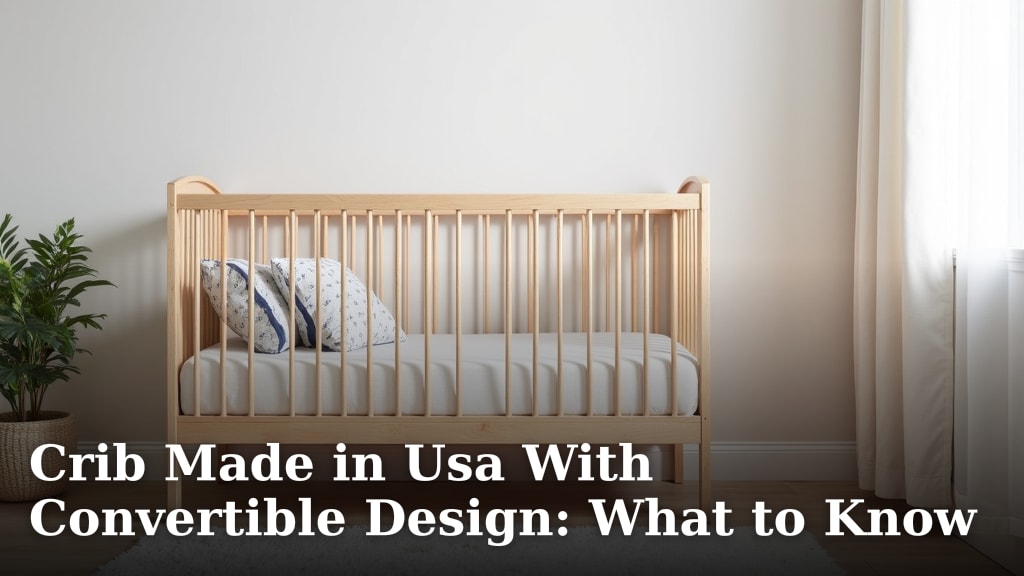
Crib Made in Usa With Convertible Design: What to Know
You’re looking for a crib made in the USA with a convertible design. Great choice! These cribs offer both quality construction and long-term value, meaning you can get a great start for your baby without breaking the bank. Many are designed to grow with your child, transforming from a baby crib to toddler bed and beyond.
Choosing American-made often means supporting stricter safety standards and better materials. A convertible crib means you buy one piece of furniture that can serve your child for years, often up to age 10 or more. This smart investment saves you money and reduces waste. Think of it as getting multiple beds in one stylish package.
- American-made cribs prioritize safety and durability.
- Convertible designs grow with your child, saving money.
- Look for cribs that change into toddler beds and daybeds.
- Check for certifications like JPMA for added peace of mind.
- Consider the finish and materials for a healthy nursery environment.
Let’s dive into what makes these cribs a fantastic option for your growing family and what you should look for when buying one.
“`htmlChoosing an American-Made Convertible Crib: Your Smart Nursery Investment
You’re looking for a crib that’s made right here in the USA and can grow with your child. That’s a fantastic plan for your nursery!
These cribs often mean high-quality materials and construction you can trust. Plus, a convertible design means you buy furniture once that can last for many years. It’s a smart way to save money and reduce waste over time.
Why Opt for a Crib Made in the USA?
When you choose a crib made in the United States, you’re often choosing a higher standard. Many American manufacturers follow strict safety regulations. They may also use better, more carefully sourced materials. This can lead to a safer sleep environment for your baby.
Safety Standards You Can Count On
The U.S. Consumer Product Safety Commission (CPSC) sets federal safety standards for cribs. Manufacturers in the U.S. are generally held to these rigorous rules. These standards cover things like the spacing of crib slats to prevent entrapment. They also address the strength of the crib’s construction. You can feel more confident knowing your crib meets these benchmarks.
Material Quality and Finishes
We found that many American-made cribs use solid wood, like pine or maple. These woods are known for their durability. You’ll also notice a focus on non-toxic finishes. Many brands use water-based paints or stains. These are important because babies can chew on crib rails. A healthy nursery means healthy air quality too. Research from the Environmental Protection Agency (EPA) points to VOCs (volatile organic compounds) in some finishes as a concern for indoor air. Opting for low-VOC or zero-VOC finishes is a wise choice.
The Magic of Convertible Cribs
A convertible crib is like a piece of furniture that time travels with your child. It starts as a safe, cozy crib for your newborn. Then, with a few adjustments, it transforms into other beds your child will need as they grow.
Stages of Conversion
Most convertible cribs go through several stages:
- Baby Crib: This is the initial setup for infants.
- Toddler Bed: Usually, this involves removing one side rail and adding a guardrail to prevent falls.
- Daybed: This is often similar to the toddler bed, but without the guardrail. It’s a comfortable sofa-like bed for older children.
- Full-Size Bed: Some cribs can convert into a standard full-size bed, requiring additional frame parts.
This multi-stage approach means you’re not constantly buying new beds. You buy one piece of furniture that can serve your child from birth up to their pre-teen years, potentially saving you hundreds of dollars.
Long-Term Value and Sustainability
Think about the cost over time. A crib that lasts 10 years or more is a significant saving compared to buying a new crib, then a toddler bed, then a twin bed. It’s also more environmentally friendly. You reduce the amount of furniture that ends up in landfills. This is a sustainable choice for your family and the planet.
What to Look for in an American-Made Convertible Crib
When you’re shopping, several factors will help you make the best choice for your family. It’s not just about where it’s made; it’s about the specifics.
Safety Certifications
Beyond CPSC standards, look for certifications like the JPMA (Juvenile Products Manufacturers Association) certification. This means the crib has been independently tested to meet or exceed industry safety standards. It’s an extra layer of assurance.
Materials and Construction Details
As mentioned, solid wood is a good indicator of durability. Check the **hardware** too. Metal bolts and screws are generally better than plastic ones. Make sure the assembly instructions are clear. You want a crib that feels sturdy once put together.
Conversion Kits
Some cribs include all the conversion parts needed for all stages. Others might require you to purchase conversion kits separately. Be sure to check what’s included. You don’t want to be caught needing a specific part later and finding it’s no longer available or too expensive.
The Finish: Non-Toxic is Key
Confirm the finish is non-toxic. Look for terms like “non-toxic,” “low-VOC,” or “zero-VOC.” This is crucial for your baby’s health. A healthy nursery air environment is important for everyone.
Style and Nursery Theme
Of course, you want a crib that looks good in your nursery! American-made convertible cribs come in many styles, from classic to modern. Consider the color palette and design to match your nursery’s theme. You’re investing in a piece that will be a central part of your child’s room for years.
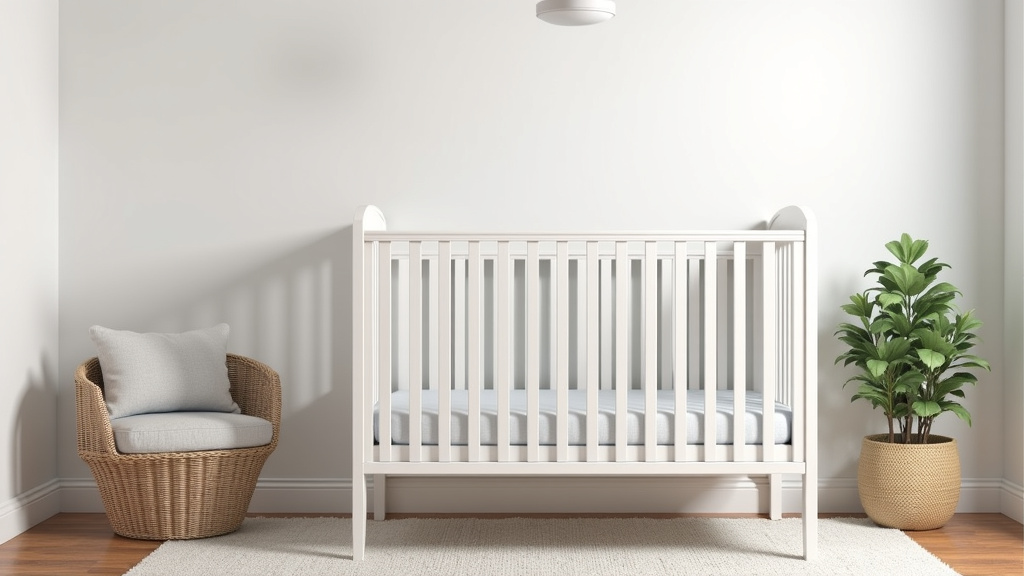
Understanding Convertible Crib Features
Let’s break down what makes these cribs work and what features to look for during the conversion process.
Adjustable Mattress Height
Most cribs offer multiple mattress height settings. This is standard. You start with the mattress at its highest setting for easy access to your newborn. As your baby grows and becomes more mobile, you lower the mattress. This prevents them from climbing out. You’ll typically find 3-4 height positions. A lower mattress position is key for safety as your child gets older.
Conversion Rail Systems
The way a crib converts varies. Some have drop sides (though these are increasingly phased out due to safety concerns), while others have fixed sides. For toddler bed conversion, you’ll usually attach a guardrail to one side. For daybeds, you might remove the side rail entirely. For full-size beds, you’ll typically attach headboard and footboard panels to a bed frame. Ensure the conversion process seems straightforward and secure.
Weight Limits and Durability
While most cribs are designed for safety, it’s good to know the weight limits for each stage. Manufacturers usually provide this information. A sturdy wooden frame should comfortably support a child for years. You can often judge durability by the thickness of the wood and the quality of the hardware.
Common Questions About American-Made Convertible Cribs
We’ve gathered some common questions you might have:
- Are American-made cribs always more expensive? They can be, but the higher cost often reflects better materials and stricter manufacturing standards. When you factor in the long-term use, they can be a more cost-effective choice.
- How long does a convertible crib typically last? Most convertible cribs are designed to last from birth up to age 10 or even longer, depending on the conversion stages offered and your child’s needs.
- What if I lose a conversion part? It’s best to keep the instruction manual and any extra parts in a safe place. If you do lose a part, contact the manufacturer directly. They may be able to sell you a replacement.
Checklist: Your Smart Crib Shopping Guide
Here’s a quick checklist to help you find the perfect crib:
- Confirm “Made in USA”: Look for clear labeling from the manufacturer.
- Check for JPMA Certification: This ensures extra safety testing.
- Inspect Materials: Solid wood and sturdy hardware are good signs.
- Verify Non-Toxic Finish: Look for low-VOC or zero-VOC options.
- Understand Conversion Stages: Know how it turns into a toddler bed and beyond.
- Review Included Parts: Make sure conversion kits are part of the package or available.
Conclusion
Choosing an American-made convertible crib is a smart investment for your child’s nursery. You’re supporting quality craftsmanship and safety standards you can trust. Plus, the convertible design means you get years of use from a single piece of furniture. This saves you money and reduces waste in the long run. Before you buy, remember to check for JPMA certification, confirm non-toxic finishes, and understand all the conversion stages. Take your time to find the perfect fit for your family’s needs and your nursery’s style. Your next step is to research specific brands that meet these criteria and read reviews to ensure they deliver on their promises.
Frequently Asked Questions
How do I know if a crib is truly made in the USA?
Look for clear labeling on the product itself or in the manufacturer’s specifications. Many reputable brands will proudly state “Made in USA” on their packaging and website. If it’s not obvious, don’t hesitate to contact the company directly to confirm their manufacturing location.
What does JPMA certification mean for a crib?
JPMA certification means the crib has undergone independent testing to meet or exceed strict safety standards set by the Juvenile Products Manufacturers Association. It’s an extra layer of assurance that the crib is safe for your baby.
Are there any hidden costs with convertible cribs?
Sometimes, conversion kits needed for toddler beds or full-size beds are sold separately. Always check what’s included with the crib and what additional parts you might need to purchase later. This ensures you can complete all conversions without surprise costs.
What are the main safety features to look for in a crib?
Key features include properly spaced crib slats to prevent entrapment, a sturdy construction that feels solid, and a stable base. Ensure the mattress support is strong and adjustable to lower as your baby grows. Always check for compliance with CPSC standards.
Can I use any mattress with a convertible crib?
You’ll need a mattress that fits the crib’s dimensions precisely, with no gaps between the mattress and the crib sides. For toddler bed conversions, you might need a standard toddler or twin mattress. Always check the manufacturer’s recommendations for mattress types and sizes.