What Stages Come With a 3-in-1 Crib for a Growing Family?
On this page (3 sections)
A 3-in-1 crib, also known as a convertible crib, transforms through multiple stages to grow with your child. These versatile cribs typically start as a A 3-in-1 crib, also known as a convertible crib, transforms through multiple stages to grow with your child.standard crib and can convert into a toddler bed, a daybed, and often a full-size bed. This means one piece of furniture can serve your family for many years.
When you’re planning for a growing family, choosing furniture that lasts is a smart move. A 3-in-1 crib is designed for this exact purpose. You can also compare mini convertible crib options for a smaller nursery. It adapts from a safe sleeping space for infants to furniture suitable for older children. We found that this adaptability can save parents money and reduce clutter over time.
- Stage 1: Standard Crib for Baby
- Stage 2: Toddler Bed for First Steps
- Stage 3: Daybed for Little Explorers
- Stage 4: Full-Size Bed for Big Kids
Let’s walk through each of these stages so you know what to expect when choosing a 3-in-1 crib for your little one.
Understanding the Stages of a Convertible 3-in-1 Crib
When you’re thinking about furniture for your growing family, a 3-in-1 crib really stands out. You might be wondering what exactly these stages involve and how they’ll work for your child. It’s like having a piece of furniture that grows up with your little one. We found that understanding these stages helps you see the long-term value and planning involved. If you are considering fewer configurations, see two-stage crib options.
Let’s break down each phase. You’ll see how one smart purchase can support your child from babyhood right through to their elementary school years. It’s about maximizing use and minimizing the need for constant furniture upgrades. This can be a real relief for busy parents.
Stage 1: The Standard Crib for Your Baby
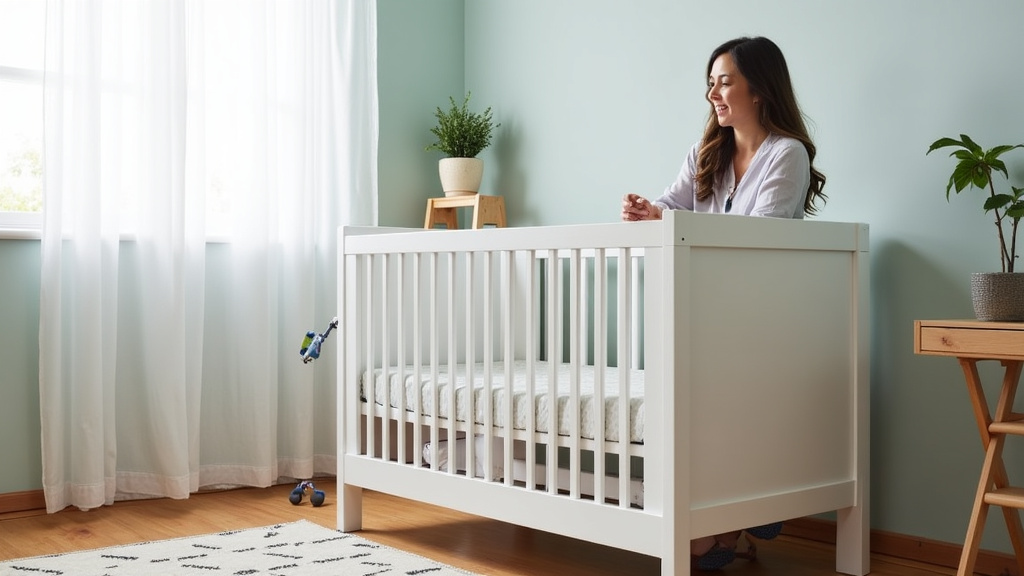
This is where it all begins! The 3-in-1 crib starts its life as a traditional, safe crib for your newborn. It has high side rails to keep your little one secure while they sleep or play in their crib.
You’ll want to make sure the mattress is set at its highest position during this stage. This makes it easy for you to pick up and put down your baby without straining your back. It’s all about convenience and safety for both of you.
Many cribs today meet or exceed current safety standards set by organizations like the Consumer Product Safety Commission (CPSC). These standards ensure that the crib has a sturdy construction and that there are no entrapment hazards. Always check for these certifications when you buy.
The crib mattress should fit snugly. There shouldn’t be any large gaps between the mattress and the crib sides. Research suggests that a gap of more than two finger-widths could be a safety risk (CDC). This is a critical safety check you’ll want to perform.
Stage 2: The Toddler Bed for Little Explorers
As your baby grows into a toddler, they’ll start becoming more mobile and curious. They might even try to climb out of their crib. This is usually the signal that it’s time to transition to the next stage: the toddler bed.
Converting the crib to a toddler bed is typically straightforward. You’ll remove one of the side rails and replace it with a toddler guard rail. This rail is lower than the crib side, making it easier for your child to get in and out on their own. It also provides a bit of security so they don’t roll off.
Many 3-in-1 cribs come with the necessary guard rail for this conversion. If yours doesn’t, you can usually purchase one separately. The key here is to provide a sense of independence while still ensuring they remain safe during sleep.
This stage is a big step for your child. It’s often one of their first major furniture transitions. Some children adapt very quickly to a toddler bed. Others might need a little extra reassurance. We found that consistency in bedtime routines can really help during this phase.
Stage 3: The Daybed for Independent Children
The daybed stage offers even more freedom. This configuration is essentially the toddler bed without any side rails at all. It looks more like a small sofa or a bed without a headboard or footboard.
Why would you want a daybed? It’s perfect for children who are a bit older and more coordinated. They can easily hop in and out. It also serves as a comfortable spot for lounging during the day.
Think of it as a comfortable place for them to read books, play quietly, or even have a little nap. It’s a stepping stone to a full-size bed. This stage allows for a smooth transition in furniture style as your child matures.
The daybed configuration can also be useful if you have guests. It can sometimes function as a small couch or a place for a younger sibling to sleep if they visit. It adds a touch of versatility to your child’s room.
Stage 4: The Full-Size Bed for Older Kids
This is often the final transformation for a 3-in-1 crib. Many convertible cribs can be converted into a standard full-size bed (also known as a double bed). This means your child can use this furniture through their childhood and into their teen years. This is often the final transformation for a 3-in-1 crib, which can be converted into a standard full-size bed.
To achieve this, you’ll typically need to purchase a full-size bed conversion kit. This kit usually includes the frame pieces that attach to the existing headboard and footboard of the crib. It allows you to connect them and support a full-size mattress.
This stage is fantastic because it means you won’t need to buy another bed for a long time. A full-size bed provides plenty of space for sleeping, growing, and just being a kid. It’s a smart financial choice that pays off over the years.
When converting to a full-size bed, make sure you have enough space in the room. Full-size beds take up significantly more floor space than a crib or toddler bed. Measure your room and consider other furniture placement before you make the final conversion (NCBI).
What to Look for in a 3-in-1 Crib
When you’re shopping, consider a few key things. First, check the conversion process. How easy is it to switch between stages? Some require more tools or steps than others. You want something manageable.
Second, look at the materials. Solid wood construction generally lasts longer and is more durable than particleboard. Check that the finishes are non-toxic and safe for children. This is important for their long-term health.
Third, consider the style. Round convertible crib designs offer another shape to compare. You’ll be looking at this furniture for many years, so choose a design that you find appealing and that fits your home’s decor. Think about how it will look as a full-size bed later on.
Finally, read reviews from other parents. What are their experiences with the conversion process and the durability of the crib over time? Real-world feedback can be incredibly helpful.
Making the Switch: Tips for Each Stage
Transitioning your child can sometimes be a little tricky, but with a few tips, it can go smoothly.
- Stage 1 to Stage 2 (Crib to Toddler Bed): Introduce the new bed gradually. Let your child explore it during the day. Keep their favorite crib bedding on the toddler bed to provide familiarity.
- Stage 2 to Stage 3 (Toddler Bed to Daybed): This is usually an easier transition as the bed is similar. Focus on making the daybed feel cozy and inviting for naps and quiet time.
- Stage 3 to Stage 4 (Daybed to Full-Size Bed): This is the biggest change. Involve your child in choosing new bedding for their bigger bed. Ensure the room feels safe and comfortable for them with the larger furniture.
Remember, patience is key. Each child is different, and some may adapt more quickly than others. Celebrating these milestones can make the experience more positive for everyone.
Table: A Quick Look at the Stages
Here’s a simple way to see the progression:
| Stage | Description | Typical Age Range | Key Features |
|---|---|---|---|
| Standard Crib | Enclosed, safe sleeping space for infants. | 0-18 months (approx.) | High rails, adjustable mattress height. |
| Toddler Bed | Low to the ground with guard rails for safety. | 18 months – 3 years (approx.) | One side rail removed, toddler guard rail added. |
| Daybed | Open-frame bed, no side rails. | 2-5 years (approx.) | Easy to get in and out, good for lounging. |
| Full-Size Bed | Standard double bed frame. | 5+ years (approx.) | Requires conversion kit, ample sleeping space. |
Please note that age ranges are approximate. Always consider your child’s individual development and readiness for each transition.
Checklist: Preparing for Your 3-in-1 Crib Journey
As you plan for your convertible crib, keep these points in mind:
- Check Safety Standards: Ensure the crib meets current safety regulations.
- Assess Conversion Ease: Look for simple, tool-less conversions if possible.
- Consider Material Quality: Opt for sturdy, non-toxic materials for durability.
- Read Parent Reviews: Gain insights from others who have used the crib.
- Measure Your Space: Plan for how each stage will fit in your room.
- Budget for Extras: Factor in the cost of conversion kits or guard rails if not included.
Having a plan makes the whole process less overwhelming. You’re setting up your child’s sleep environment for many years to come.
Conclusion
You’ve seen how a 3-in-1 crib transforms your child’s sleep space through four distinct stages. From a secure baby crib to a toddler bed, then a daybed, and finally a full-size bed, this furniture offers incredible longevity. By choosing a convertible crib, you’re making a smart investment that grows with your child, saving you time and money. Start by researching reputable brands and checking safety certifications. Your next step is to measure your room and decide which stage is right for your family now, knowing it can adapt for years to come.
Frequently Asked Questions
How long can my child use a 3-in-1 crib?
A 3-in-1 crib can support your child from birth up to their pre-teen years, often around age 10 or more. This depends on the specific conversion stages offered and your child’s individual growth and needs. You’ll likely be using it for many years before needing a different bed.
Do I need to buy extra pieces for each stage?
Typically, the crib itself is the primary purchase. However, you will often need to buy a separate toddler guard rail for the toddler bed stage and a full-size bed conversion kit for the final stage. Some cribs include one of these, so check the product details carefully before buying.
Is it hard to convert the crib between stages?
Most 3-in-1 cribs are designed for relatively easy conversion. Many require only basic tools and can be done within an hour. We found that reading the instruction manual beforehand and having a clear workspace makes the process much smoother.
What if my child tries to climb out of the crib early?
If your child shows signs of trying to climb out before the typical toddler stage, you may need to convert the crib to the toddler bed or daybed earlier than planned. Always ensure the mattress is at its lowest setting in the crib stage for maximum safety.
Are 3-in-1 cribs safe for all stages?
Yes, when assembled correctly and used according to the manufacturer’s instructions, 3-in-1 cribs are safe for all their intended stages. Always ensure that mattress fit is snug and that there are no gaps where a child could become trapped. Regularly check that all hardware is tight and that the furniture is stable.


