
Convertible Crib Age Range: A Simple Guide
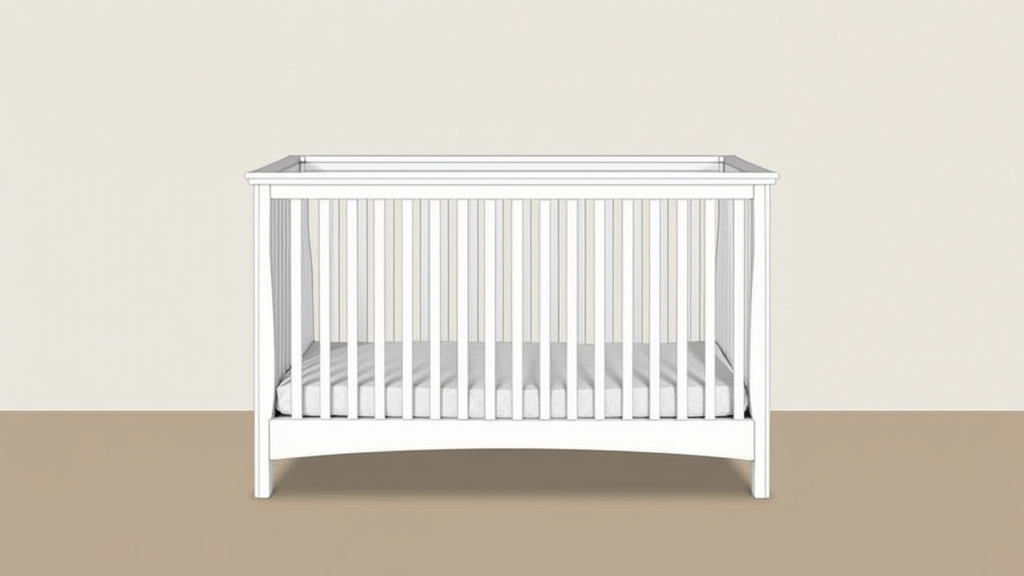
Your convertible crib can generally be used from birth up to age 3 or 4, depending on your child’s development and the specific crib model. These versatile cribs are designed to grow with your child, transitioning from a safe bassinet alternative to a toddler bed and even a daybed. You’ll want to pay attention to weight limits and your child’s climbing abilities.
Choosing a convertible crib means investing in furniture that adapts. Research indicates that most families find they get several years of use from their convertible crib, saving money and hassle. It’s a popular choice for its long-term value and flexibility. We found that understanding the different conversion stages helps maximize its use.
- Convertible cribs grow with your child.
- Use typically lasts from birth to age 3-4.
- Watch for weight limits and climbing signs.
- Consider the conversion kits needed for later stages.
- It’s a smart investment for multiple years.
Ready to figure out the best timeline for your little one? Let’s break down the age ranges and what to look for with convertible cribs.
Your Convertible Crib: Understanding the Age Range and Stages
You’re likely wondering just how long your convertible crib will be a part of your child’s life. The good news is, these cribs are designed for longevity. Generally, you can expect to use a convertible crib from the moment your baby comes home until they are around 3 to 4 years old. This timeframe isn’t set in stone, though. It really depends on your child’s individual development and the specific features of your crib. We found that paying attention to a few key indicators will help you know exactly when it’s time to make a change.
From Newborn to Toddler: The Convertible Crib Journey
Think of your convertible crib as a piece of furniture that grows with your family. It starts as a safe, cozy space for your newborn, much like a bassinet alternative. Then, as your little one gets bigger and more mobile, it transforms. You can convert it into a toddler bed, and eventually, many models become a daybed. This adaptability is what makes them such a popular choice for parents.
Stage 1: The Newborn Phase (Birth to approx. 6-9 months)
When your baby is first born, they’ll be in the crib in its standard setup. This is the safest stage for newborns. The side rails are high, and the mattress is typically set at its highest position. This makes it easy for you to reach your baby without too much strain. We found that this setup provides excellent safety and accessibility for those frequent nighttime feedings and checks. Most manufacturers recommend keeping the mattress at the highest setting until your baby can sit up unassisted.
For newborns, the main focus is safety and ease of access. You’ll be in and out of the crib many times a day and night. Having the mattress set higher makes this much easier on your back and arms. It’s like having a helpful assistant for those first few months.
When to Lower the Mattress
The moment your baby starts to push up on their hands and knees or can sit up by themselves, it’s time to lower the mattress. This usually happens between 6 and 9 months. Lowering the mattress to the next setting significantly increases the safety of the crib. It prevents them from climbing or falling over the side as they become more mobile. We found that this is a critical safety adjustment many parents make.
Stage 2: The Convertible Crib as a Toddler Bed (approx. 9 months to 3 years)
This is where the “convertible” part really shines. Once your child is mobile and no longer fits comfortably or safely in the highest mattress setting, you can begin the transition to a toddler bed. Most convertible cribs come with a toddler rail kit or can be converted by removing one or more side rails. This creates a safe, open space for your child to get in and out of bed independently.
The typical age for this transition is when your child is around 18 months to 2 years old. However, some parents wait longer. It really depends on your child’s development and their readiness to move out of a fully enclosed crib. Many experts suggest waiting until your child is no longer safely contained by the crib rails. The CDC notes that children generally reach developmental milestones at varying ages.
Safety Checks for Toddler Bed Conversion
When you remove the side rails, safety becomes a different kind of consideration. You want to ensure the bed is still secure. Many toddler bed kits include a short rail that helps prevent your child from rolling out of bed. We found that ensuring the mattress fits snugly and there are no gaps where a child could get stuck is essential. Always check the manufacturer’s guidelines for the specific conversion process.
Stage 3: The Daybed Option (Often used from 3 years onward)
Many convertible cribs can be further transformed into a daybed. This usually involves removing all the side rails and sometimes reconfiguring the headboard and footboard. A daybed looks more like a small sofa or a regular bed. It’s a great option for children who have outgrown the toddler bed stage but aren’t quite ready for a full-sized adult bed.
The age range for using a daybed varies greatly. Some children might use their toddler bed until they are 3 or even 4 years old before moving to a daybed or a twin bed. It’s all about your child’s size and their behavior. If they are climbing out of their toddler bed, it’s probably time for a change. We found that children often enjoy the feeling of independence a daybed offers.
Key Factors Determining Crib Lifespan
While age ranges are helpful, several other factors will influence how long your convertible crib serves your family. These are the real-world indicators that tell you when it’s time to move to the next stage.
Weight Limits and Your Growing Child
Every crib has a weight limit. This is a critical safety feature. As your child grows, they will approach and eventually exceed this limit. Manufacturers provide these limits for a reason. Exceeding them can compromise the structural integrity of the crib, making it unsafe. We found that checking the user manual for the specific weight limit is a must. For most standard cribs, this limit is around 50 pounds.
As your child gets heavier, the crib’s frame and mattress support need to be strong enough. It’s not just about fitting; it’s about the structure holding up to their weight and movement. Think of it like a bridge; it has a maximum load it can safely carry.
The Climbing Factor: When Your Little Explorer Gets Too Ambitious
This is perhaps the most common reason families transition from a crib. As soon as your child can climb over the side rails, the crib is no longer safe. Even if they haven’t fallen out yet, the risk is too high. Many experts say that once a child can push themselves up and over the rails, it’s time to switch to a toddler bed or a bed with lower sides. This typically happens between 2 and 3 years old, but some agile climbers might do it sooner.
We found that this is a moment many parents watch for with a mix of pride and a little bit of anxiety! Your baby is growing up and becoming more independent. However, it also means you need to adapt their sleeping environment for their new abilities. Prioritizing safety here is non-negotiable.
Understanding Conversion Kit Requirements
It’s important to note that not all conversion kits are included with the initial purchase of a convertible crib. Sometimes, you’ll need to buy the toddler rail or daybed kit separately. We found that it’s wise to check this when you buy the crib. This way, you know the total cost and can ensure you have the necessary parts when the time comes.
If you plan to use the crib for its full conversion potential, research the cost and availability of these kits. Some older crib models might have discontinued conversion parts. So, checking ahead can save you a headache down the road. Having these kits ready ensures a smooth transition when your child is ready.
A Quick Checklist for Your Convertible Crib Timeline
To help you keep track, here’s a simple checklist:
- Confirm your crib’s specific weight limit.
- Check if conversion kits are included or need to be purchased.
- Monitor your baby’s sitting and standing milestones.
- Be ready to lower the mattress when they become mobile.
- Watch for climbing attempts over the crib rails.
- Plan for the toddler bed conversion around 18-24 months.
Making the Most of Your Convertible Crib Investment
Choosing a convertible crib is a smart decision for many families. You’re investing in a piece of furniture that can adapt to your child’s changing needs for several years. By understanding the different stages, paying close attention to safety guidelines, and observing your child’s development, you can ensure your convertible crib provides a safe and comfortable sleeping space from infancy through toddlerhood and beyond.
Conclusion
You’ve learned how a convertible crib offers a smart, long-term solution for your child’s sleep space. From a safe newborn nest to a growing toddler’s bed, these versatile pieces adapt. Remember to watch for your child’s developmental cues, like sitting up or attempts to climb, and always check weight limits. Understanding when to lower the mattress and which conversion kits you might need ensures a smooth transition. Your next step is to review your current crib or research potential models, keeping these stages and safety factors in mind for years of reliable use.
Frequently Asked Questions
How long can I expect my convertible crib to last?
Most convertible cribs are designed for use from birth up to around 3 or 4 years old. This timeframe can vary based on your child’s individual growth and development, as well as the specific crib model you own. You’ll eventually transition out of the crib stage when your child becomes too big or starts to climb over the rails.
When should I lower the crib mattress from its highest setting?
You should lower the mattress when your baby can sit up unassisted, which typically happens between 6 to 9 months. This adjustment is crucial for safety, as it prevents your baby from being able to climb or fall over the sides as they become more mobile.
At what age should I convert the crib to a toddler bed?
The conversion to a toddler bed usually happens when your child is around 18 months to 2 years old. A good indicator is when your child outgrows the height of the crib rails or starts to show signs of trying to climb out. Always prioritize safety and ensure the toddler bed conversion is secure.
Are conversion kits always included with convertible cribs?
Not always. Some convertible cribs come with all necessary conversion kits, while others require you to purchase the toddler rail or daybed kit separately. We found it’s wise to check what’s included at the time of purchase so you’re prepared for future transitions.
What if my child is a very early climber?
If your child begins attempting to climb over the crib rails before the typical toddler bed age, it’s a clear sign it’s time to switch. Safety is the top priority, so even if they haven’t successfully climbed out, the risk is too high. Transitioning to a toddler bed or a lower-sided bed immediately is recommended.