Convertible Crib Without Changer: What to Know
On this page (6 sections)
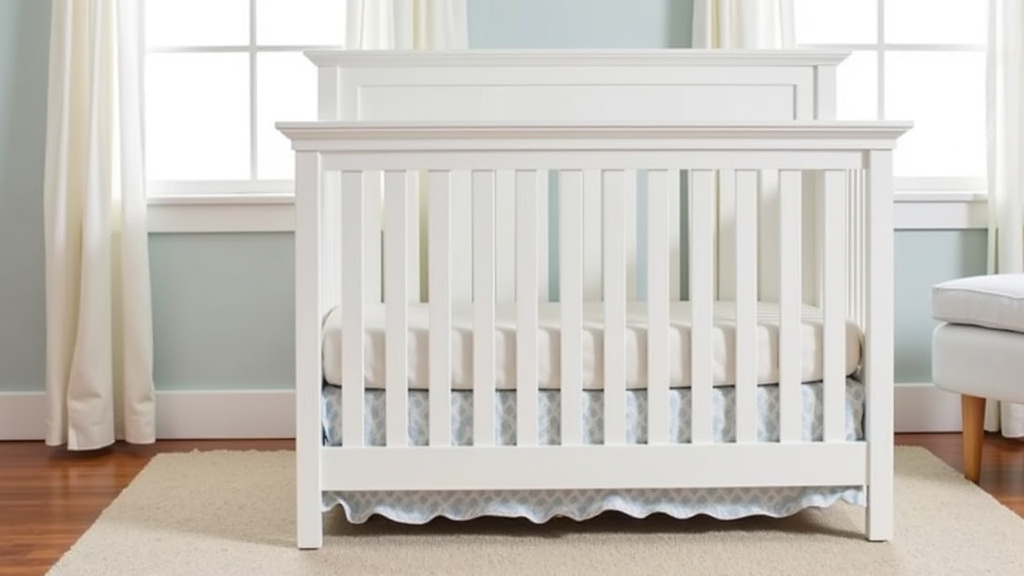
A convertible crib without a changer is a standard baby crib that does not include an attached changing station. You can still use a separate changing pad or table with it. This option is great if you have limited space or prefer a standalone changing solution. It offers the same safety features as other cribs.
Choosing a crib is a big decision for new parents. A convertible crib without a changer might be the perfect fit for your nursery. You might wonder if it’s as practical as a combo unit. We found that many parents appreciate the flexibility it offers for nursery design. It’s a straightforward and functional choice for your baby’s sleep space.
- A convertible crib without a changer is a regular crib.
- It doesn’t have a built-in changing table.
- You’ll use a separate changing pad or table.
- This is a good choice for smaller rooms.
- It offers flexibility in nursery setup.
Let’s dive into what you should consider when looking at a convertible crib without an attached changer, so you can make the best choice for your little one’s room.
Understanding Convertible Cribs Without Attached Changers
When you’re setting up your baby’s nursery, you’ll find many options for cribs. One type you might consider is a convertible crib that doesn’t have a built-in changing table. Think of it as a standard, sturdy crib that grows with your child, but without the changing station attached. You’ll simply use a separate changing pad or a dedicated changing table. This setup offers a lot of flexibility in how you design your nursery. We found that parents often appreciate having distinct zones for sleeping and changing. It keeps things organized and can make a small room feel more spacious.
What Exactly Is a Convertible Crib Without a Changer?
Essentially, it’s a regular baby crib. The “convertible” part means it can be adjusted as your child grows. Most can transform into a toddler bed, a daybed, and sometimes even a full-size bed. The key difference here is the absence of an attached changing surface. Many cribs on the market come with an integrated changer, a flat top with rails for diaper changes. A convertible crib without one functions just like any other crib for sleep but requires a separate solution for diaper duty. This choice is often about personal preference and nursery layout.
Why Choose a Crib Without an Attached Changer?
There are several good reasons why a parent might opt for this style of crib. It often comes down to space-saving and design freedom. If you have a smaller nursery, a crib without an attached changer can make the room feel less cluttered. You can place a changing pad on top of a dresser or use a slender, standalone changing table. This can be a big advantage. We also found that many parents prefer to have their changing area a little further from the baby’s immediate sleep space. It creates a clear separation, which can feel more sanitary to some.
Another popular reason is longevity and versatility. Cribs are a significant investment. While the convertible feature ensures it lasts for years, the changing station is only useful for a short period. Once your baby is out of diapers, the attached changer might become an unnecessary feature. By choosing a crib without one, you’re not paying for a component you’ll eventually stop using. Plus, you can select a changing table that matches your nursery decor perfectly, rather than one that’s tied to the crib’s design. Many experts suggest this approach for maximizing the long-term value of nursery furniture (American Academy of Pediatrics).
Space and Layout Considerations
Is your nursery on the smaller side? If so, a crib without an integrated changer can be a lifesaver. You can position a changing pad on a dresser or a smaller table. This allows you to utilize vertical space effectively. Imagine a dresser with a contoured changing pad on top – it’s functional and doesn’t take up much floor space. This setup often looks cleaner and more streamlined. We found that parents with limited square footage often prioritize this type of arrangement.
Aesthetic Freedom
Do you have a specific vision for your nursery’s look? A crib without a changer gives you more freedom to achieve it. You can pick a changing table that perfectly complements your crib, dresser, and overall theme. Perhaps you want a vintage-style dresser to serve as a changing station, or a minimalist table. This independence allows for a more personalized and cohesive room design. It’s your chance to create a truly unique space for your little one.
Key Features to Look For in Your Convertible Crib
Regardless of whether it has an attached changer or not, a good convertible crib should meet certain standards for safety and functionality. You’re looking for a crib that will keep your baby safe while they sleep and grow with them through different stages. Research and guidelines from organizations like the Consumer Product Safety Commission (CPSC) are essential here.
Safety Standards Are Non-Negotiable
This is the most critical aspect. Always ensure the crib meets current safety standards. Look for certifications and labels indicating compliance with ASTM and CPSC regulations. These standards cover things like slat spacing (no more than 2 3/8 inches apart, so a baby’s head can’t get stuck), corner post height (to prevent entanglement with clothing), and the absence of hazardous materials. Research and found that reputable brands will clearly state their compliance. Never compromise on safety; it’s the foundation of a good crib.
Sturdy Construction
A crib should feel solid and well-built. Check the materials used – solid wood is generally preferred. Ensure there are no sharp edges, pinch points, or small parts that could detach. Test the stability by gently rocking it. A well-constructed crib will be a safe haven for your baby for years. We found that reviewing customer feedback can often highlight any construction concerns.
Convertibility Mechanisms
If you’re buying a convertible crib, understand how it changes. Most convert to toddler beds, but some go further. Check if you need to purchase conversion kits separately – these are often sold as an additional item. Make sure the mechanism for adjusting the mattress height and converting the crib is easy to use and secure. You don’t want to struggle when it’s time for a change, and you certainly don’t want any parts to be loose. You can also compare cribs with adjustable railings when reviewing crib features.
Materials and Finishes
The materials should be durable and baby-safe. Many cribs are made from wood, but the type can vary. Look for non-toxic finishes. Paints and stains should be lead-free and low in volatile organic compounds (VOCs). Organizations like the Environmental Protection Agency (EPA) offer guidance on reducing indoor air pollutants. Research and found that cribs with GREENGUARD Gold certification have been tested for thousands of chemicals and can contribute to healthier indoor air quality.
Using a Separate Changing Solution
Since your convertible crib won’t have a built-in changer, you’ll need to establish a dedicated spot for diaper changes. This is where the flexibility comes into play. You have several practical and stylish options.
The Changing Pad on Furniture Setup
This is a very common and budget-friendly approach. You can use a contoured changing pad that fits snugly on top of a dresser or a sturdy table. The pad typically has straps to secure the baby. You’ll need to ensure the dresser or table is stable and at a comfortable height for you. Many parents opt for a dresser they plan to use long-term. Just make sure the dresser won’t tip over – securing it to the wall is a wise safety measure (Consumer Product Safety Commission).
Dedicated Changing Tables
These are standalone pieces of furniture designed specifically for diaper changes. They often have shelves below for storing diapers, wipes, and clothing. Changing tables come in various styles, from minimalist designs to more elaborate units with drawers. When choosing one, consider its height, stability, and the safety rails around the changing surface. Research and found that many changing tables are also designed to be convertible themselves, perhaps turning into a bookshelf or console table later.
Portable Changing Mats
For quick changes or when you’re on the go, a portable changing mat is handy. These are usually padded and fold up neatly. While not ideal for full diaper changes at home, they can be useful if you have a very small space and prefer not to dedicate furniture to a changing station. You might keep one in your diaper bag and another in a convenient spot in the nursery for quick clean-ups.
What to Consider Before You Buy
Before you click “add to cart” or head to the store, take a moment to think about your specific needs. A little planning now can save you hassle later.
Here’s a quick checklist to help you decide:
- Measure your nursery space to ensure the crib and your chosen changing solution will fit comfortably.
- Decide on your budget for the crib and any necessary conversion kits or changing furniture.
- Think about how long you plan to use the crib and its convertible stages.
- Consider the aesthetic you want for the nursery and how the crib will fit in.
- Check safety certifications and read reviews for reliability and durability.
- Plan your changing station – will it be a pad on furniture or a separate table?
Conclusion
You’ve learned that a convertible crib without an attached changer offers flexibility and freedom for your nursery. It functions just like any other convertible crib for sleep but allows you to choose your preferred changing solution. This can be ideal for smaller spaces or specific design goals. Remember to prioritize safety certifications and sturdy construction no matter which style you choose. By carefully measuring your space and planning your separate changing setup, you can create a safe, functional, and beautiful nursery for your little one. Your next step is to measure your nursery space and start looking at cribs and changing tables that fit your needs and style.
Frequently Asked Questions
Are convertible cribs without changers safe?
Yes, convertible cribs without attached changers are just as safe as other cribs, provided they meet current safety standards. Always look for compliance with CPSC and ASTM regulations, ensuring proper slat spacing and construction. Safety is paramount, regardless of whether a changer is attached.
How long can you use a convertible crib without a changer?
A convertible crib itself is designed to grow with your child, typically from infancy to a full-size bed. The absence of a changer means you’re not limited by that component’s lifespan. You can use the crib for many years, adapting it as your child’s needs change.
Can a dresser be used as a changing table with a crib without a changer?
Absolutely. A sturdy dresser can be a great base for a changing pad. Just ensure the dresser is stable and secured to the wall to prevent tipping. Many parents find this a practical and space-saving solution for their nursery.
Do I need to buy a separate conversion kit for a crib without a changer?
Yes, if the crib is designed to convert into a toddler bed or daybed, you will likely need to purchase a conversion kit separately. Always check the product description to see if conversion kits are included or sold as an additional item.
What is the main advantage of choosing a crib without an attached changer?
The main advantage is the flexibility it offers. You can choose a changing solution that perfectly matches your nursery decor and your personal needs, and it can be more space-efficient in smaller rooms. You also avoid paying for a feature you might only use for a short time.


