Convertible Crib Without a Changing Table: What to Know
On this page (6 sections)
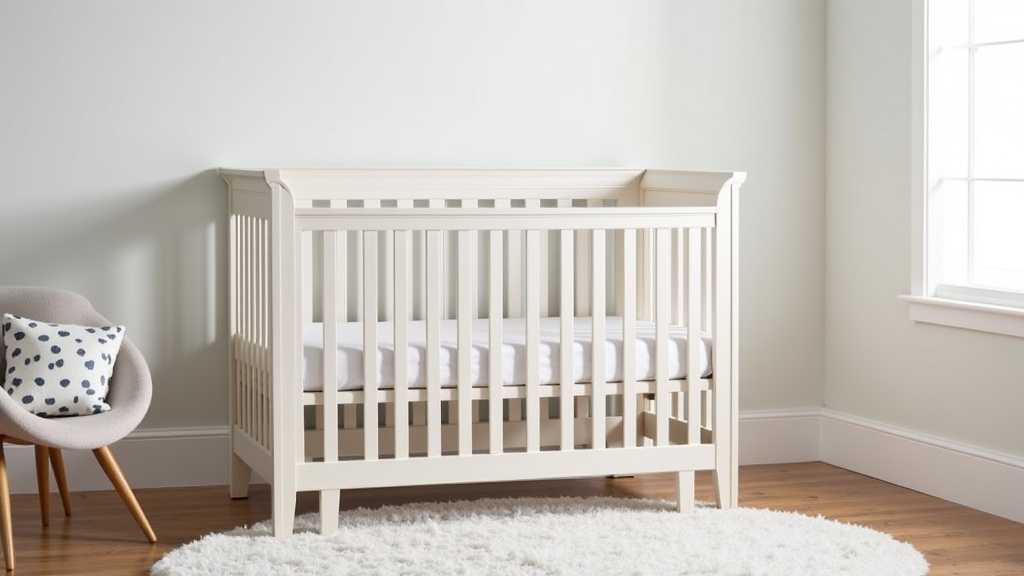
Yes, you can absolutely use a convertible crib without a changing table attached. Many parents choose this option to save space or because they already have a separate changing station. The main thing to remember is that you’ll need a safe and convenient place to change diapers nearby, like a dresser-top changer or a dedicated changing pad.
Opting for a crib without a built-in changing unit offers flexibility in nursery design. It allows you to position your changing area wherever it makes the most sense for your room layout and workflow. You can still create a fully functional and stylish nursery without this specific feature.
- A convertible crib without a changing table is a perfectly fine choice.
- You’ll need a separate, safe spot for diaper changes.
- Consider a dresser-top changer or a changing pad.
- This setup offers more flexibility in nursery layout.
- It can also be a great space-saving solution.
Let’s walk through what you need to consider when choosing a convertible crib without an attached changing table and how to set up your nursery effectively.
So, you’ve decided on a convertible crib but are wondering about the changing table. That’s a smart move to consider your options carefully! Many parents find that a crib without an attached changing station works wonderfully. You’re not alone in this decision, and there are plenty of ways to make it work for your nursery. Let’s break down what you need to know.
Choosing a Convertible Crib That Doesn’t Include a Changing Station
You can absolutely find excellent convertible cribs that skip the built-in changing unit. This often means you get a more streamlined crib design. It also gives you more freedom in how you set up your baby’s changing area. You might prefer this if you have limited space or a specific vision for your nursery layout.
Why Go Without an Attached Changing Table?
There are several good reasons parents choose a convertible crib without an attached changing table. One big one is flexibility. You aren’t tied to a specific changing area configuration. Another is cost. Sometimes, cribs with attached changing stations can be pricier. Also, many parents already own a dresser or a separate changing table they love. You might be one of them!
Space Considerations
A crib without a bulky attached changing unit can make your nursery feel more open. This is especially helpful in smaller rooms. You can place your changing station strategically. It doesn’t have to be directly connected to the crib, allowing for better traffic flow. We found that for many families, this makes the room feel less cluttered.
Aesthetic Preferences
Sometimes, it’s simply about the look you’re going for. A standalone crib can have a cleaner, more modern appearance. You can then select a changing station that perfectly matches your decor. You get to design the nursery exactly how you envision it, piece by piece.
Setting Up Your Independent Changing Station
The most important thing is to have a safe and convenient place to change diapers. Without a built-in unit, you’ll need to create this space yourself. This isn’t hard to do, and many parents find it offers advantages. Let’s look at your options for creating this essential spot.
The Dresser-Top Changer: A Popular Choice
This is a very common and practical solution. You take a standard dresser and add a changing pad with a contoured design. The pad usually has straps to secure your baby. Many dressers work well for this. You’ll want to ensure the dresser is sturdy and won’t tip over. You can often find dressers designed specifically to be used as changing stations.
Choosing the Right Dresser
When selecting a dresser, look for one that is stable and well-built. Deep drawers are helpful for storing diapers, wipes, and extra clothes. You’ll want it to be about the right height for you. Test how it feels to stand in front of it. Make sure there’s enough surface area for the changing pad and any other essentials you might need nearby.
Safety First with Changing Pads
A good changing pad is key. Look for ones with raised sides and safety straps. These help keep your baby from rolling off. Many are made from waterproof materials, which is a big plus for easy cleanup. You can find them in various sizes to fit standard dressers. Always supervise your baby during diaper changes, even with safety straps.
The Dedicated Changing Table: A Freestanding Option
If you don’t have a suitable dresser, a freestanding changing table is another excellent choice. These units are designed specifically for diaper changes. They often come with shelves or drawers for storage, just like a changing station attached to a crib.
Pros of a Freestanding Changing Table
These tables are built with baby safety and parent convenience in mind. They usually have high sides and safety restraints. Many have wheels, so you can move them around your nursery if needed. They can also be a more budget-friendly option than a full dresser. You get a dedicated space without needing to repurpose furniture.
Where to Place It
Think about where you’ll change the most diapers. Often, this is near the crib or in a convenient spot close to the nursery door. You’ll want easy access to your diapering supplies. A well-placed changing table can make nighttime changes much smoother. We found that having it within arm’s reach of where you’ll be sitting or standing makes a big difference.
The Changing Pad on the Floor: A Simple Solution
For the most minimalist approach, especially in very small spaces or for budget-conscious families, a changing pad placed directly on a clean floor is an option. While not as common for everyday use, it can work in a pinch or for temporary situations. You’ll need to be extra vigilant about safety here, ensuring the baby doesn’t roll away.
Maximizing Safety on the Floor
If you choose this method, use a changing pad with a non-slip backing. Always keep one hand on your baby. Make sure your diapering supplies are right next to you. This setup requires constant attention. Some parents find it easier to use a playpen or a designated mat for floor changes. This helps define the changing zone.
What to Look For in Your Convertible Crib
Since you’re choosing a crib without an attached changing unit, you can focus purely on the crib’s features. Convertible cribs are fantastic because they grow with your child. You’ll want to make sure the crib itself is sturdy, safe, and meets current safety standards.
Convertibility Options
Most convertible cribs can transform into a toddler bed, a daybed, and sometimes even a full-size bed. Check how the conversion process works. Does it require additional kits? Are those kits sold separately? Understanding this will help you budget and plan for the future. The goal is a crib that will last for several years.
Safety Standards are Non-Negotiable
Always ensure the crib meets current safety guidelines set by organizations like the Consumer Product Safety Commission (CPSC). Look for a sturdy frame, slats spaced appropriately (no more than 2 3/8 inches apart), and no cutouts where a child’s head could get trapped. Research the brand and model for any recalls. Your baby’s safety is the top priority.
Mattress Support
The mattress support system is crucial for crib safety and durability. Most modern cribs have a metal or wooden slat system. Some higher-end models may offer an adjustable base. A strong mattress support prevents sagging and ensures the mattress fits snugly. This is important to prevent any gaps where a baby could get stuck.
Essential Checklist for Your Nursery Setup
Here’s a quick rundown of things to keep in mind as you plan your nursery around a convertible crib without an attached changing station:
- Confirm crib safety standards.
- Choose your changing station location.
- Select a stable dresser or freestanding changing table.
- Purchase a secure changing pad with straps.
- Organize diapers, wipes, and creams nearby.
- Ensure good lighting in the changing area.
Conclusion
Choosing a convertible crib without an attached changing table is a smart decision for many families. You’ve seen that it offers great flexibility in your nursery design and can even be a space-saver. The key is creating a dedicated, safe spot for diaper changes, whether that’s a dresser-top changer, a freestanding table, or even a secure floor setup. By focusing on the crib’s quality and safety, and thoughtfully planning your changing station, you can create a functional and beautiful nursery that meets your baby’s needs and your personal style. Your next step is to start browsing convertible cribs and consider which changing station option will work best for your home.
Frequently Asked Questions
Can I use a regular dresser as a changing station with a convertible crib?
Yes, you absolutely can. A sturdy dresser can be repurposed by adding a contoured changing pad. Ensure the dresser is stable and won’t tip. Look for pads with safety straps for extra security. This is a practical way to combine storage and changing needs.
How high should a changing table or dresser be for comfortable use?
The ideal height is usually around 33-37 inches from the floor. You want to be able to stand comfortably without too much bending or reaching. Test a few options in stores or measure your existing furniture to see what feels best for your height.
What if I have a very small nursery? Can I still use a crib without a changing table?
Definitely. A crib without an attached changing unit often makes small nurseries feel more open. You can use a changing pad on top of a narrow dresser or even a wall-mounted folding changing station. Prioritize safety and convenience in your placement.
Are there safety concerns with having a separate changing station away from the crib?
The main concern is always supervision. As long as you ensure your changing area is safe, stable, and always supervised, its distance from the crib is less important. Keep diapering essentials within arm’s reach. Never leave your baby unattended on any changing surface.
Do convertible cribs without changing stations typically cost less?
Often, yes. Cribs without integrated changing stations can be more affordable. This allows you to allocate your budget towards a higher-quality crib or a separate changing solution that perfectly fits your needs and decor. You gain more control over your spending.


