Convertible Crib With Full Size Rails: What to Know
On this page (5 sections)
Yes, a convertible crib with full-size rails is a smart choice for parents. It means your baby’s first crib can also become their first big kid bed. You get more use out of it over the years, saving you money. This is a long-term nursery investment.
This type of crib is designed to adapt as your child grows. It typically starts as a standard crib and then transforms. You can convert it into a toddler bed and eventually a daybed. Many also convert into a full-size bed frame later on, offering maximum longevity. It’s a practical solution for a growing family.
- A convertible crib with full-size rails grows with your child.
- It transforms from a baby crib to a toddler bed and then a full-size bed.
- This offers years of use from a single piece of furniture.
- It’s a cost-effective nursery solution.
Let’s get into what you really need to know about choosing and using a convertible crib with full-size rails so you can make the best decision for your little one.
Understanding Your Convertible Crib With Full-Size Rails
So, you’re looking at convertible cribs with full-size rails. That’s a smart move for any parent planning for their baby’s nursery. These cribs are designed to grow right alongside your child. They offer a fantastic way to get more mileage out of your nursery furniture. You can start with a crib and transition it through several stages. This means fewer furniture purchases down the road. It’s a smart investment for your growing family.
What Exactly is a Convertible Crib with Full-Size Rails?
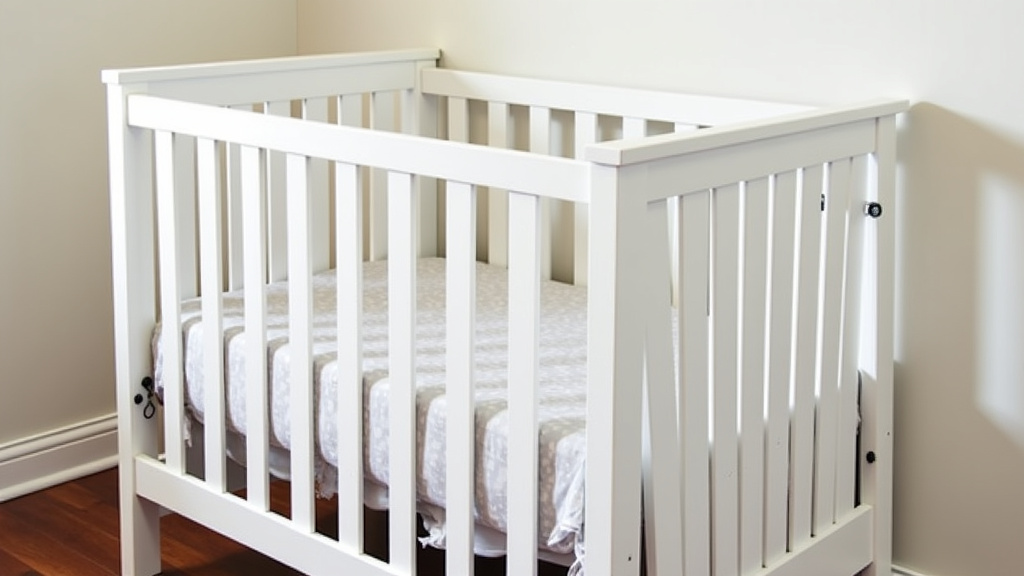
At its core, a convertible crib with full-size rails is a piece of furniture that adapts. It starts as a standard baby crib. Then, with some clever adjustments, it transforms. You can convert it into a toddler bed. Later, it can become a daybed. The key feature here is the ability to convert into a full-size bed frame. This is usually achieved with additional pieces, like side rails and a frame for a mattress. It’s a multi-stage bed that can serve your child for many years.
The Different Stages of Conversion
These cribs are built for longevity. They typically go through several stages:
- Baby Crib: This is the initial stage. It functions just like any other safe and secure crib for your infant.
- Toddler Bed: Once your child is ready to move out of the crib, you can remove one or both side rails. You’ll often attach a shorter guardrail to prevent tumbles.
- Daybed: In this stage, the crib might be fully open on the sides, looking more like a sturdy bed frame. It’s perfect for a child who no longer needs a crib but isn’t quite ready for a full-size bed.
- Full-Size Bed: This is the final transformation. You’ll use the conversion kit to attach standard full-size bed rails. The crib headboard and footboard often become the headboard and footboard for the larger bed.
This phased approach means you’re not buying a new bed every few years. You’re essentially investing in one piece of furniture that evolves with your child’s needs. It’s a practical solution that saves you time and money.
Key Features and Considerations Before You Buy
When you’re shopping, a few things really stand out. You want to make sure the crib you choose is safe and durable. It also needs to be easy to convert. Here’s what to look for.
Safety Standards are Non-Negotiable
First and foremost, safety is always the top priority. You want a crib that meets or exceeds current safety standards. In the United States, this means checking for compliance with the U.S. Consumer Product Safety Commission (CPSC) guidelines. You should look for certifications from organizations like ASTM International. These standards cover everything from the spacing of the slats to the finish on the wood.
For example, the CPSC recommends that the distance between crib slats should not exceed 2 3/8 inches. This prevents a baby’s head from getting stuck. Also, ensure there are no sharp edges or small, detachable parts that could pose a choking hazard. Many experts say that a properly assembled crib is the safest first bed for an infant (CDC).
The Conversion Kit: What’s Included?
The magic of a convertible crib lies in its conversion kit. This is what allows it to transform. For a crib that converts to a full-size bed, you’ll typically need a kit that includes:
- Full-Size Bed Rails: These are metal or wooden rails that connect the headboard and footboard to support a full-size mattress and box spring.
- Toddler Guardrail: This is often included in the initial purchase and is shorter than a crib rail.
- Hardware: Bolts, screws, and other fasteners needed for each conversion stage.
It’s important to check if the conversion kit for the full-size bed is included with the crib purchase. Sometimes, it’s sold separately. Buying it later might mean it’s out of stock, or the design may have changed. We found that buying the kit at the same time as the crib ensures a smooth transition later on.
Materials and Durability: Will It Last?
The materials used in your convertible crib will determine its lifespan. For guidance on domestic options, see our guide to American-made convertible cribs. Most quality convertible cribs are made from solid wood, like pine, poplar, or oak. Some may use composite wood or engineered wood for certain parts. Look for a sturdy construction that feels solid and stable. Avoid anything that feels flimsy or wobbly. The finish is also important. It should be non-toxic and lead-free. Babies often chew on crib rails, so a safe finish is essential.
We found that cribs with a natural wood finish or those painted with low-VOC (volatile organic compound) paints are often preferred. Check reviews to see how well the finish holds up over time. Some parents report chipping or scratching after a few years of use. A durable finish means your crib will look good through all its transformations.
Ease of Assembly and Conversion
Setting up a crib can sometimes feel like a puzzle. Read reviews about the assembly process. Are the instructions clear? Are all the parts included? Most cribs require assembly, but some are notoriously more difficult than others. The same goes for conversion. You want a crib that is reasonably easy to convert between stages. This means not having to dismantle the entire thing just to change it from a toddler bed to a daybed.
Think about how often you’ll actually do the conversions. You might convert it once when your child becomes a toddler, and then again when they move to a full-size bed. If the process is too complicated, you might delay the transition or dread the task. We’ve seen that cribs with clearly labeled parts and straightforward instructions tend to be the easiest to work with.
Making the Most of Your Convertible Crib
Once you’ve chosen your crib, there are a few things to keep in mind. Proper setup and maintenance will ensure it serves your family well for years to come.
Proper Assembly and Setup
This is critical for safety. Always follow the manufacturer’s instructions precisely. Double-check that all screws and bolts are tightened securely. Ensure there are no gaps where a limb could get caught. When converting to a toddler bed or daybed, make sure any guardrails are properly attached. They are there to prevent your child from falling out of bed. For the full-size bed conversion, ensure the mattress is level and the side rails are secure.
A properly assembled bed is a safe sleeping environment. If you’re ever unsure about a step, contact the manufacturer or a furniture assembly service. Don’t guess or skip steps. It’s not worth the risk.
Choosing the Right Mattress and Bedding
When your crib is in its initial stage, you’ll need a standard crib mattress. These are designed to fit snugly inside the crib with no gaps. Once you convert to a toddler bed or a full-size bed, you’ll need a corresponding mattress. For a full-size bed conversion, you’ll need a standard full-size mattress and box spring or a platform base. Make sure the mattress fits well within the rails.
For bedding, consider durable and washable materials. Cotton is a popular choice for both crib sheets and bedding for older kids. As your child grows, the bedding will change to match their evolving preferences. You might start with cute animal prints and end up with their favorite cartoon characters or sports teams. The key is to ensure everything fits snugly and safely. A loose blanket can be a suffocation risk for very young children.
Long-Term Maintenance and Care
To keep your convertible crib looking great and functioning safely, a little maintenance goes a long way. Periodically check all hardware to ensure it remains tight. Clean spills immediately to prevent staining. For regular cleaning, use a soft, damp cloth. Avoid harsh chemicals or abrasive cleaners, as they can damage the finish. These cribs are built to last, but taking good care of them helps ensure they truly do.
Think of it like maintaining a classic car. With a little attention, it can stay in great shape for a long time. This means your investment continues to pay off. When you convert it, inspect the parts for any wear and tear. Address any issues before moving to the next stage. This attention to detail ensures continued safety and style.
| Stage | Mattress Size | Key Features | Typical Age Range |
|---|---|---|---|
| Baby Crib | Crib Mattress (approx. 28″ x 52″) | Four high sides, secure slats | 0-2 years (or until child can climb out) |
| Toddler Bed | Toddler Mattress (same as crib mattress) | One or two low side rails, open sides | 1.5 – 3 years |
| Daybed | Toddler or Twin Mattress | Open sides, looks like a couch/bed | 2 – 5 years |
| Full-Size Bed | Full-Size Mattress (approx. 54″ x 75″) | Uses headboard/footboard, full bed rails | 5+ years |
Using a convertible crib with full-size rails is a journey. It starts with a safe haven for your tiny baby and grows into a comfortable bed for your growing child. Choosing wisely means you’re setting yourself up for years of furniture that is both functional and fits your child’s changing life. It’s a smart choice for any parent wanting value and versatility.
Checklist for Your Convertible Crib Purchase:
- Confirm it meets current safety standards (CPSC, ASTM).
- Verify if the full-size conversion kit is included or sold separately.
- Inspect materials for solid wood construction and non-toxic finishes.
- Read reviews on ease of assembly and conversion.
- Check the warranty information for the crib and conversion parts.
- Ensure the slat spacing is appropriate for infant safety.
Conclusion
You’ve learned that a convertible crib with full-size rails is a smart, long-term investment for your child’s nursery. It transforms from a safe baby crib to a toddler bed, daybed, and finally a full-size bed, offering years of use from one piece of furniture. Remember to prioritize safety by checking for CPSC compliance and ensure the full-size conversion kit is readily available. Making an informed choice now means setting up a safe, functional, and adaptable sleep space that grows with your child, saving you money and hassle down the road. Your next step is to browse reputable brands that meet these safety and quality standards, giving you peace of mind.
Frequently Asked Questions
How do I know if a convertible crib’s conversion kit is good quality?
Look for kits made from sturdy metal or solid wood that match the crib’s construction. Check product reviews for mentions of durability and ease of attachment. We found that kits with simple, secure hardware tend to hold up best over time.
Is a convertible crib really more cost-effective than buying separate beds?
Yes, generally it is. While the initial cost might be higher, you avoid buying a toddler bed and then a full-size bed later. This one-time purchase covers your child’s sleep needs for many years, making it a smart financial choice.
What’s the difference between a daybed conversion and a full-size bed conversion?
A daybed conversion often leaves the sides open for a sofa-like appearance, suitable for younger children. A full-size bed conversion uses the crib’s headboard and footboard with additional rails to support a standard mattress, creating a larger bed.
Can I use my existing crib mattress for the toddler bed stage?
Yes, for the toddler bed stage, you typically use the same standard crib mattress. When you convert to a full-size bed, you’ll need to purchase a new, standard full-size mattress and potentially a box spring or platform base.
How long does it typically take to convert the crib between stages?
The time can vary, but most conversions take about 30 minutes to an hour. It usually involves removing some crib rails and attaching new ones or bed frame pieces. We found that cribs with clear instructions and labeled parts make the process much quicker.


