Convertible Crib to Toddler Bed: Explained
On this page (7 sections)
A convertible crib to toddler bed is a multi-stage baby bed. It starts as a crib and converts to a toddler bed. This design saves money and space. You won’t need to buy a separate toddler bed later.
Many parents choose this type of bed for their nursery. It offers a practical solution as your child grows. You can adjust it through different stages of childhood. This makes it a smart long-term investment for your child’s sleep needs.
- What is a convertible crib to toddler bed?
- It’s a crib that changes into a toddler bed.
- Benefits include saving money and nursery space.
- It grows with your child through different stages.
- It’s a smart, long-term furniture choice.
Let’s walk through exactly how these versatile beds work and what makes them a popular choice for growing families.
Understanding How Cribs Turn into Toddler Beds
A convertible crib is a smart piece of furniture. It starts as a safe crib for your baby. Then, it transforms into a toddler bed as your child grows. This means you buy one bed, not two. It’s a practical choice for many nurseries. You’re basically getting two beds in one. This saves you money and hassle down the road.
These beds are designed with your child’s development in mind. They have multiple stages. Each stage offers a different configuration. This flexibility is key. It lets the bed adapt to your child’s changing needs. You get a safe sleep space from infancy through toddlerhood. It’s a long-term investment in your child’s comfort.
The Stages of a Convertible Crib
Most convertible cribs go through a few main stages. Understanding these stages helps you know what to expect. It also helps you plan for the conversion process. The first stage is always the standard crib. This is where your baby sleeps from birth.
Stage 1: The Baby Crib Configuration
In this first stage, the bed is a fully functional baby crib. It has four high sides. These sides keep your baby safe. They prevent falls while your little one sleeps. The mattress height is usually adjustable. You can lower it as your baby grows and becomes more mobile. This is standard for most cribs, convertible or not.
This stage is crucial for infant safety. The high rails are essential. They ensure your baby can’t climb out. Experts often recommend using the crib until a child can climb over the rails themselves. This can happen around 18 months to 2 years old, but every child is different (American Academy of Pediatrics).
Stage 2: Transitioning to a Toddler Bed
The next stage is where the “convertible” part really shines. You’ll typically remove one of the long side rails. This creates an open side. Your child can now get in and out of bed on their own. This is a big step for little ones. It helps them feel more independent.
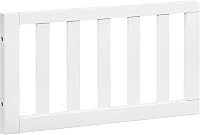
This open side is usually the toddler bed guardrail. It might be a separate piece you attach. Or, it might be the rail you removed, just placed differently. The important thing is that it still offers some protection. It stops your child from rolling out of bed. This is a gentle transition from a crib to a bed.
Stage 3: Further Conversions (Optional)
Some convertible cribs offer even more stages. They might convert into a daybed or a full-size bed. The daybed configuration often looks similar to the toddler bed. It usually means removing all side rails. It’s a lower profile bed. The full-size bed conversion is the most advanced. This usually requires buying additional frame pieces.
Converting to a full-size bed is a bigger change. It means you’re accommodating a larger mattress. This stage extends the life of the furniture even further. It’s a true investment. You get a bed that can last for many years. It adapts as your child gets older and needs more space.
What Parts Do You Need to Convert a Crib?
Converting your crib is usually straightforward. Most of the necessary parts come with the original purchase. You won’t typically need to buy extra tools. You might need a screwdriver for some models. Always check your specific model’s instructions.
Included Components for Conversion
When you buy a convertible crib, it comes with everything needed for the initial crib stage. For the toddler bed stage, you’ll usually need the original hardware. You’ll also need the side rail you remove. Some cribs include a specific toddler guardrail piece. Others instruct you to use one of the crib rails.
If you want to convert to a full-size bed, things can differ. You might need to purchase a bed frame conversion kit. This kit contains the pieces to adapt the crib frame. It’s essential to check this when you buy. You don’t want to get a crib that doesn’t offer the future conversions you want.
Tools You Might Need
Generally, you’ll need basic household tools. A Phillips head screwdriver is common. Sometimes an Allen wrench is included. Assembly and conversion instructions will specify what you need. Keep the instruction manual safe. It’s your guide for every stage.

Benefits of Choosing a Convertible Crib
There are many good reasons parents opt for convertible cribs. The main ones revolve around practicality and cost. Let’s look at the biggest advantages.
Cost Savings Over Time
This is a big one for most families. Buying a crib is a significant expense. Then, buying a toddler bed adds more cost. A convertible crib lets you skip that second purchase. You’re essentially getting two or more beds for the price of one. Research shows that furniture that lasts longer can save families hundreds of dollars (Consumer Reports).
Space Efficiency for Your Nursery
Nurseries can be small. Having furniture that serves multiple purposes is a lifesaver. A convertible crib means you don’t need to store a crib. You don’t need to find space for a separate toddler bed later. The furniture transforms. It stays in the same spot, adapting its form. This keeps your nursery functional.
Smooth Transitions for Your Child
Children can be sensitive to change. Having a bed that looks familiar makes transitions easier. Your child is already used to their sleeping space. Moving from crib to toddler bed in the same frame can feel less disruptive. It’s a comfort to them. This familiarity can reduce bedtime anxieties.
Environmental Friendliness
Buying furniture that lasts longer is also better for the environment. You’re reducing the need for manufacturing new items. Less waste is produced. Choosing durable, multi-stage furniture is a sustainable choice. It’s a small way to make a difference.
What to Look for in a Convertible Crib
When you’re shopping, keep a few things in mind. You want a bed that is safe, durable, and meets your needs. Reading reviews can help you find a good model.
Safety Standards and Certifications
Always ensure the crib meets current safety standards. In the US, this is set by the Consumer Product Safety Commission (CPSC). Look for certifications. These assure you the product has been tested. A stable frame is paramount for safety. Make sure all parts fit together snugly.
Durability and Material Quality
You want a bed that will last. Look for solid wood construction. Avoid particle board if possible. Check that the finish is non-toxic. The conversion mechanisms should be sturdy. You don’t want them to break with repeated use. Good quality materials mean the bed can withstand years of use.
Ease of Conversion
Some conversions are easier than others. Read reviews or ask the salesperson. Can you convert it yourself? How long does it take? Ideally, you want a process that doesn’t require special skills. You don’t want to struggle with changing the bed when your child needs it.
Mattress Compatibility
Ensure the crib uses a standard crib mattress. For toddler beds and full-size beds, you’ll need different mattress sizes. Check what size mattress is needed for each stage. You might need to buy new mattresses later.
Here’s a quick checklist to help you choose:
- Confirm Safety Standards: Look for CPSC compliance.
- Check Material Quality: Opt for solid wood if possible.
- Review Conversion Options: See how many stages it offers.
- Read User Reviews: Find out about ease of assembly and durability.
- Assess Included Hardware: Make sure conversion kits are available.
- Consider Your Child’s Needs: Think about how long you want the bed to last.
Conclusion
You’ve learned how a convertible crib to toddler bed is a smart choice. It grows with your child from babyhood to toddlerhood. This saves you money and nursery space over time. By understanding the stages and what to look for, you can make an informed decision. You’re investing in practical, long-term sleep solutions for your family. Ready to choose the right convertible crib? Start by checking safety certifications and material quality for a durable, safe option.
Frequently Asked Questions
How long does a convertible crib typically last?
A convertible crib can last from infancy through toddlerhood, often up to age 4 or 5. Some models even convert to full-size beds, extending their use much longer. You can expect it to be your child’s primary bed for several years.
Are convertible cribs safe for toddlers?
Yes, when converted correctly, they are safe. The toddler bed stage usually involves removing one side rail. This creates an open side for easy access while still providing a guardrail for safety. Always follow the manufacturer’s instructions for conversion.
Do I need to buy a new mattress for the toddler stage?
You will likely use the same standard crib mattress for the initial crib and toddler bed stages. However, if you convert to a full-size bed, you will need a new mattress designed for that larger frame. Check your specific model’s requirements.
What’s the difference between a daybed and a toddler bed conversion?
A toddler bed conversion typically keeps one side rail as a guardrail for added safety. A daybed conversion usually involves removing all side rails. Both offer a lower profile than a crib, making it easier for a child to get in and out.
Where can I find the conversion parts if I lose them?
If you lose any parts, your first step is to contact the original manufacturer. They often sell replacement parts or conversion kits directly. You can usually find their contact information on the product manual or their website.