What Is a Standard Size Convertible Crib?
On this page (7 sections)
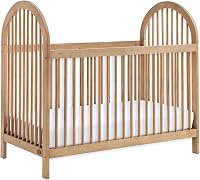
A standard size convertible crib is a baby crib designed to adapt as your child grows. It typically converts into a toddler bed, daybed, and even a full-size bed. This means you can use it for many years. It’s a smart, long-term investment for your nursery.
When you hear “standard size,” it refers to the mattress dimensions. Most standard convertible cribs use a mattress that measures 28 inches wide and 52 inches long. This ensures compatibility with a wide range of crib and toddler bed sheets. Finding a mattress is usually straightforward.
- Standard convertible cribs use a 28 x 52 inch mattress.
- They transform into a toddler bed, daybed, and full bed.
- This saves money over time by avoiding multiple bed purchases.
- Look for GREENGUARD Gold certification for better air quality.
- Check local safety standards for cribs.
Ready to get a clear picture of what makes a standard convertible crib the right choice for your family? Let’s dive into the details you need to know.
Understanding the Standard Size Convertible Crib
A standard size convertible crib is a versatile nursery furniture piece. It grows with your child through several stages. You might be wondering what “standard size” actually means for these cribs. It primarily refers to the mattress dimensions. This ensures that when you buy a crib, you know what size mattress you’ll need. It also helps when you’re looking for sheets and mattress protectors later on.
The typical standard size mattress for a convertible crib is 28 inches wide by 52 inches long. This is a common size for many baby mattresses. Because this size is so widely available, it makes shopping for bedding much easier. You won’t have to search for specialty sheets. This is a big relief for busy parents!
The Convenience of Convertible Cribs
Convertible cribs offer incredible long-term value. They are designed to change shape. This means one piece of furniture can serve your child from babyhood all the way through their toddler years, and sometimes even into their teenage years. Think about the savings! Instead of buying a crib, then a toddler bed, then a twin bed, you buy one item that transforms.
From Crib to Toddler Bed
The first conversion most parents use is to a toddler bed. Usually, this involves removing one of the crib’s side rails. A guard rail is often included or available separately. This rail helps prevent your child from rolling out of bed. It’s a perfect transition for a little one who is outgrowing their crib but isn’t quite ready for a full-sized bed. The mattress size stays the same.
Beyond the Toddler Stage
Many convertible cribs go even further. They can often convert into a daybed. A daybed is essentially a sofa-style bed, usually without a headboard or footboard. This is great for a child who needs a bit more space or wants a more grown-up looking bed. The final transformation for many models is into a full-size bed. This usually requires purchasing a separate conversion kit, which includes a frame for the mattress and possibly a headboard and footboard.
Why This Matters for Your Budget
Investing in a convertible crib means you’re making a smart financial decision. While the initial cost might be higher than a basic, non-convertible crib, you save money over time. You avoid purchasing multiple beds. This can add up to hundreds of dollars saved. Plus, it simplifies the process of redecorating or moving rooms as your child gets older.
What Defines a “Standard Size” Mattress?
We’ve mentioned the mattress size a few times. Let’s make it super clear. A standard crib mattress measures 28 inches by 52 inches. This measurement is consistent across most manufacturers. It’s important to know this when you are buying your crib. It’s also good to know when you’re buying sheets or a mattress protector.
Mattress Fit and Safety
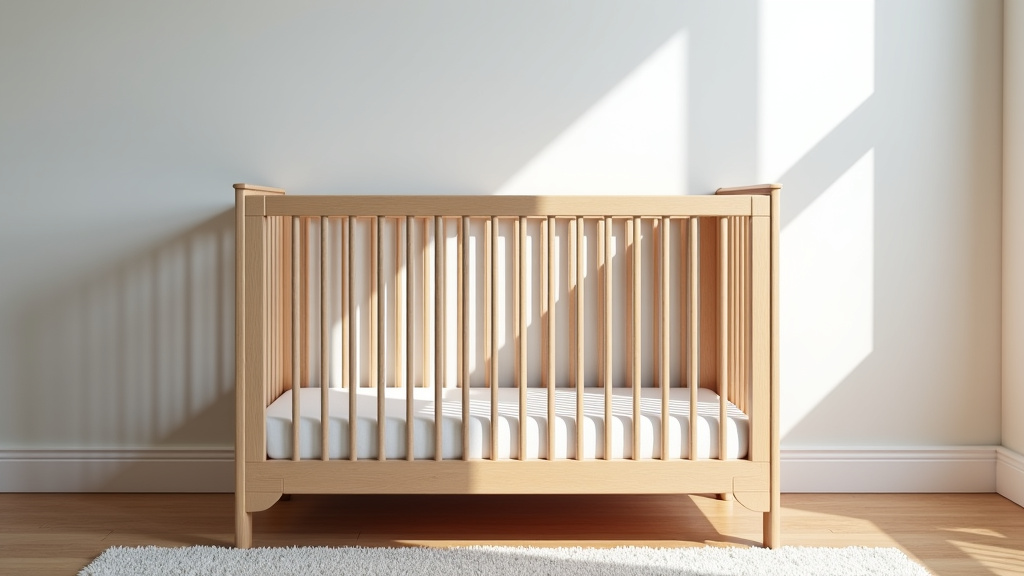
A proper fit is essential for safety. When you place a mattress in a standard crib, there should be no more than two fingers’ width of space between the mattress and the crib sides. This gap is a critical safety standard. It prevents a baby from getting their head or limbs stuck. Reputable organizations like the U.S. Consumer Product Safety Commission (CPSC) set these guidelines.
You can find many different types of crib mattresses. Some are firm foam, while others are innerspring. The key is to ensure it fits snugly. A mattress that is too small is a safety hazard. It’s always a good idea to check the mattress dimensions before you buy. Most standard cribs are designed to accommodate this 28″ x 52″ size perfectly.
Key Features to Look For in a Convertible Crib
When you’re shopping, you’ll see many different models. What makes a good convertible crib stand out? Beyond the conversion options, consider the materials and safety certifications. These factors ensure your crib is safe and built to last through all its transformations.
Safety Certifications You Can Trust
Safety is, of course, the top priority. Look for cribs that meet or exceed current safety standards. The CPSC sets mandatory standards for cribs sold in the U.S. Another important certification is GREENGUARD Gold. This certification means the product has been tested for harmful chemicals and has low chemical emissions. This contributes to better indoor air quality for your baby.
Many experts recommend looking for GREENGUARD Gold certified products for nurseries. You can often find this information on the product packaging or the manufacturer’s website. It’s a good indicator that the company is committed to healthier materials for your child’s environment. Research and found that parents often seek out these certifications when making purchasing decisions.
Materials and Construction
The materials used in the crib’s construction matter. Most standard convertible cribs are made from wood. Look for solid wood construction if possible. While composite woods can be durable, solid wood often holds up better over time. Check that the finish is non-toxic and lead-free. Again, certifications like GREENGUARD Gold can help here.
Inspect the crib’s hardware too. Ensure all screws and bolts are secure and easy to tighten. The conversion mechanisms should feel sturdy and intuitive. If the crib feels wobbly or flimsy in the store, it likely won’t hold up well to the repeated conversions and daily use over several years.
Ease of Conversion
Think about how easy it will be to make those conversions. You don’t want to struggle with heavy pieces or complicated instructions when you’re tired. Read reviews from other parents. They often share their experiences with converting the crib. Some models are known for being particularly user-friendly. Others can be quite a challenge. You’ll likely need to convert it more than once, so make it as easy on yourself as possible.
Are All Convertible Cribs the Same Size?
While the mattress size is standard (28″ x 52″), the overall dimensions of cribs can vary slightly. Some cribs are more compact, which can be great for smaller nurseries. Others are a bit larger. It’s always a good idea to measure your nursery space before you buy. Ensure the crib will fit comfortably, leaving enough room to move around.
The overall length and width of the crib frame might differ by an inch or two. The height of the crib also varies. These differences are usually minor. The crucial measurement for compatibility with mattresses and sheets is that 28″ x 52″ interior sleeping area.
A Quick Checklist for Your Convertible Crib Purchase
Ready to make a choice? Here’s a quick checklist to help you remember the important points:
- Confirm it uses a standard 28″ x 52″ mattress.
- Verify it converts into at least a toddler bed.
- Check for GREENGUARD Gold certification for air quality.
- Read reviews about the ease of conversion.
- Ensure the construction feels sturdy and safe.
- Measure your nursery to ensure it fits.
Conclusion
You’ve learned that a standard size convertible crib is a smart choice for your nursery. It’s designed to adapt as your child grows, saving you money and hassle over the years. Remember, “standard size” refers to the 28″ x 52″ mattress, ensuring easy access to bedding. Prioritizing safety certifications like GREENGUARD Gold and checking for sturdy construction will give you peace of mind. Now, take your measurements and start looking for the convertible crib that will best serve your growing family.
Frequently Asked Questions
What does “convertible” actually mean for a crib?
A convertible crib means it can transform into different types of beds as your child gets older. Most convert into a toddler bed, and many can also become a daybed or even a full-size bed with additional parts.
Is the mattress size really the same for all standard convertible cribs?
Yes, the mattress size for a standard convertible crib is consistently 28 inches wide by 52 inches long. This is the key measurement that makes them “standard” and ensures bedding will fit properly.
How do I know if a crib mattress will fit safely?
A safe fit means there’s no more than a two-finger gap between the mattress edge and the crib sides. This prevents your baby from getting stuck. Always check the mattress dimensions and how snugly it fits inside the crib.
Are there any specific safety certifications I should look for?
Yes, besides meeting U.S. Consumer Product Safety Commission (CPSC) standards, look for GREENGUARD Gold certification. This shows the crib has been tested for harmful chemicals and contributes to better indoor air quality.
Will a standard convertible crib fit in a small nursery?
While the mattress size is standard, the overall dimensions of the crib frame can vary slightly between models. Measure your nursery space before buying to ensure the crib will fit comfortably with room to move around.