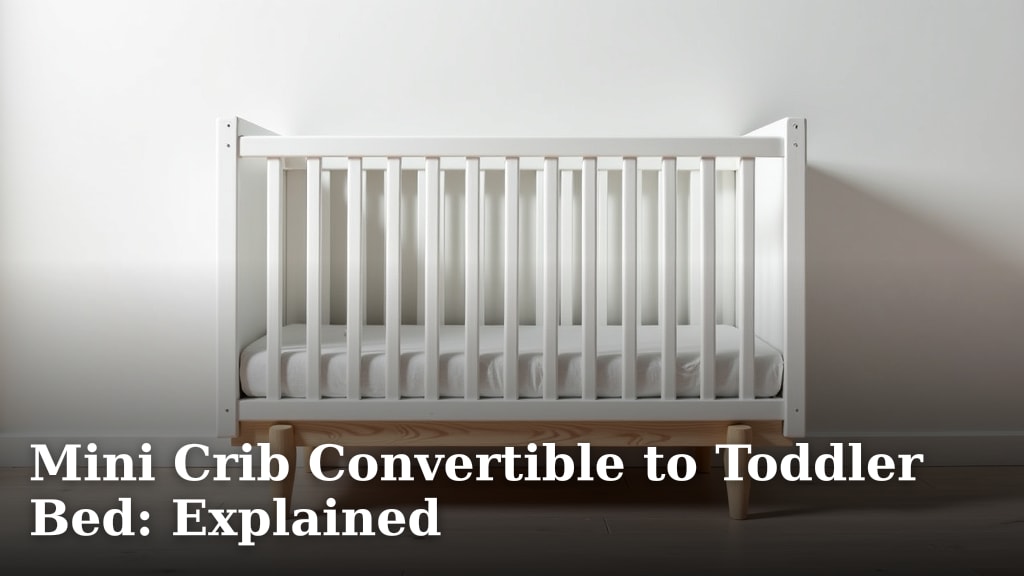
Mini Crib Convertible to Toddler Bed: Explained
Yes, a mini crib convertible to a toddler bed can be a smart choice for your nursery. It offers a space-saving solution that grows with your child. This type of crib transitions from a baby’s safe sleep space to a toddler’s first bed, giving you more value from your purchase.
Many parents worry about finding furniture that fits small rooms. A convertible mini crib addresses this by providing a compact design without sacrificing safety or style. You get the essential features of a standard crib in a smaller footprint, often with the added benefit of converting into a toddler bed, extending its usefulness for several years.
- What it is: A smaller crib that changes into a toddler bed.
- Main benefit: Saves space in your room.
- Why it’s good: Grows with your child, lasting longer.
- What to check: Ensure it meets safety standards.
- Great for: Small nurseries or apartments.
Let’s walk through exactly what makes these cribs so handy and how they work to make your nursery planning a little easier.
Understanding Convertible Mini Cribs for Toddlers
So, you’re looking at baby furniture and wondering about that mini crib that turns into a toddler bed. It’s a smart move for many families. These pieces of furniture are designed to be space-savers that can grow with your child. You get a safe place for your baby to sleep, and then, with a few adjustments, it becomes a bed for your walking, talking toddler. It’s about making your nursery investment stretch further.
Think of it as a two-in-one deal for your child’s sleeping arrangements. They start in a smaller crib, which is perfect for smaller rooms or apartments. When your little one is ready for a bigger bed, the crib can be modified. This saves you from buying a separate toddler bed later on. It’s a practical solution that many parents find very helpful.
What Exactly Is a Convertible Mini Crib?
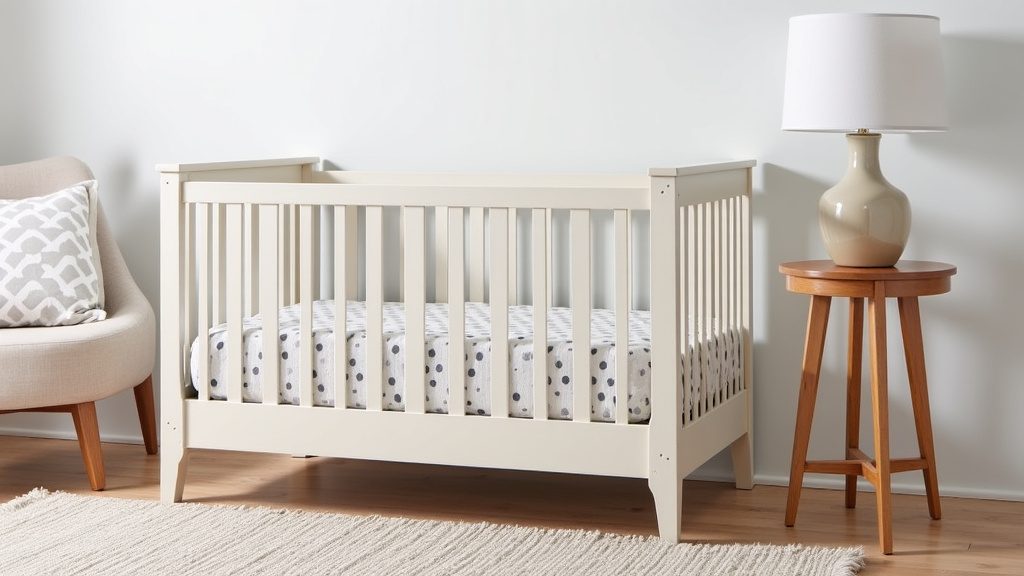
A convertible mini crib is essentially a smaller version of a standard crib. The key feature is its ability to transform. Most models can be adjusted from a crib to a toddler bed. Some can even convert into a daybed or a twin bed with additional parts, though this is less common for mini cribs. The goal is to offer a functional piece of nursery furniture that lasts for several years.
The “mini” part refers to its dimensions. They are typically shorter and narrower than traditional cribs. This makes them ideal for smaller nurseries. You might be worried about fitting a crib into a tight space. A mini crib can solve that problem. It still meets all the safety standards for baby sleep spaces.
Size Matters: Mini vs. Standard Cribs
The most noticeable difference is size. Standard cribs usually measure around 28 inches wide by 55 inches long. Mini cribs, on the other hand, are generally about 24 inches wide and 42 inches long. This difference might seem small, but it can make a big impact in a compact room. You get a cozier feel without feeling cramped.
Even though they are smaller, mini cribs offer a safe and comfortable sleep environment. They have the same high side rails and sturdy construction as their larger counterparts. You don’t have to sacrifice safety for space. Many parents find that their baby sleeps just as soundly in a mini crib. Plus, the mattress size is also smaller, making it easier to find bedding.
How Does the Conversion Work?
The conversion process usually involves removing one or more of the crib’s side rails. For a toddler bed, you’ll typically remove the front rail. This creates an open side, allowing your child to get in and out of bed independently. It’s a natural next step from a crib.
The manufacturer provides specific instructions for each model. It’s usually a straightforward process. You might need a screwdriver and a bit of patience. Some conversions might involve reattaching the rail as a guardrail for the toddler bed. Always follow the manual carefully. This ensures the bed remains safe and sturdy for your child.
From Crib to Toddler Bed: The Steps
Here’s a general idea of how the conversion usually happens. First, you’ll need to disassemble parts of the crib. This often means taking off the main crib mattress support. Then, you’ll remove the front-facing side rail. This rail is usually attached with screws or a special locking mechanism.
Once the rail is off, you might need to attach a toddler guardrail. This is a shorter rail that attaches to the side. It helps prevent your child from rolling out of bed. It’s an important safety feature. After that, you’ll place a mattress directly onto the floor or the crib’s base. You’re then ready for your toddler to use their new bed.
Important Safety Checkpoints
When converting, always check that all hardware is securely tightened. A loose bolt can be dangerous. Make sure there are no gaps where a child’s head or limbs could get stuck. The toddler guardrail, if used, should be properly attached. You want to create a safe sleeping space.
It’s also wise to inspect the entire piece of furniture for any sharp edges or splintered wood. Many experts recommend a thorough check after each conversion. You can find resources from organizations like the Consumer Product Safety Commission (CPSC) for general safety guidelines on cribs and toddler beds.
Benefits of a Convertible Mini Crib
The primary advantage is the space-saving design. This is a big win for smaller homes. You can fit a comfortable sleeping space without making your room feel too crowded. It’s a win-win for both parents and baby.
Another major benefit is long-term value. You’re buying furniture that adapts. Instead of buying a crib and then a toddler bed, you’re getting both in one. This can save you money over time. It’s an economical choice for budget-conscious families.
Space Efficiency: A Nursery’s Best Friend
Let’s be honest, nurseries can be small. Sometimes they feel more like closets! A mini crib fits perfectly into these compact spaces. It provides a cozy sleeping area without overwhelming the room. You’ll have more space for other essentials like a changing table or a glider.
This is especially helpful for parents living in apartments or smaller houses. You don’t have to compromise on having a safe sleep space for your baby. The smaller footprint means you can arrange your furniture more easily. It makes the whole nursery feel more functional and less cluttered. This creates a calmer environment for everyone.
Cost-Effectiveness and Longevity
When you consider the cost of buying a crib and then a separate toddler bed, a convertible option often makes more sense financially. You’re essentially getting two pieces of furniture for the price of one. Many parents find that the durability of these cribs means they hold up well over time.
Think about the timeline: a baby might use the crib for 1.5 to 2 years. Then, the toddler bed transition can last another 2 to 3 years. That’s a solid few years of use from a single purchase. It’s an investment that pays off by reducing future furniture costs. We found that many parents appreciate this long-term thinking.
What to Look for When Buying
Safety is always the top priority. Ensure the crib meets current safety standards. Look for certifications from organizations like the Juvenile Products Manufacturers Association (JPMA). They test products to make sure they meet strict safety requirements.
Consider the conversion kit. Some convertible cribs come with the toddler rail included, while others require you to purchase it separately. Make sure it’s readily available. Also, check the materials used. Solid wood construction is generally a good sign of quality and durability. You want something that will last.
Safety Standards and Certifications
The U.S. Consumer Product Safety Commission (CPSC) sets mandatory safety standards for cribs. When you’re shopping, look for cribs that comply with the CPSC’s current regulations. These standards cover aspects like railings height, slat spacing, and hardware. They are designed to prevent injuries.
The JPMA certification seal is another good indicator. It means the product has been tested by an independent laboratory and meets voluntary industry safety standards. Many parents find this certification reassuring. It gives them confidence that the crib is safe for their baby. This peace of mind is priceless.
Materials and Durability
You’ll want a crib that’s built to last. Look for furniture made from solid wood, such as pine, poplar, or maple. Avoid particleboard or MDF for the main structure if possible, as these materials can be less durable. Check reviews for feedback on how well the furniture holds up to daily use.
The finish should be non-toxic and lead-free. Babies and toddlers often chew on crib rails, so this is an important safety consideration. Look for paints and finishes that are certified safe for children. Good quality hardware, like sturdy screws and bolts, also contributes to the overall durability. It’s worth paying a little more for a well-made piece.
Is a Convertible Mini Crib Right for You?
Consider your living situation. If you have a small nursery or limited space, a mini crib is likely a great fit. It offers a practical solution without sacrificing comfort or style. It allows you to maximize your available room.
Also, think about your budget and how long you want the furniture to last. If you’re looking for an economical option that provides several years of use, a convertible mini crib is an excellent choice. It’s a smart investment that grows with your child.
Your Mini Crib Checklist
Before you make your purchase, here are a few things to keep in mind:
- Check the dimensions to ensure it fits your space.
- Verify it meets all current safety standards (CPSC, JPMA).
- Confirm what the conversion kit includes (or if it’s sold separately).
- Read reviews regarding durability and ease of assembly.
- Inspect the materials and finish for non-toxic quality.
- Consider the mattress size and availability of bedding.
Conclusion
You’ve learned how a convertible mini crib can be a fantastic choice for your nursery. It’s a smart way to save space without compromising on safety or style. This type of crib offers long-term value by growing with your child. You get a cozy sleeping area for your baby that easily transitions into a toddler bed. By checking dimensions, safety standards, and materials, you can find the perfect fit for your family. Now you can confidently plan your nursery, knowing you’ve made a practical and budget-friendly decision.
Frequently Asked Questions
How long can a baby use a mini crib before converting it?
Most babies can safely sleep in a mini crib until they are about 18 months old or can stand up independently. Always follow the manufacturer’s weight and height recommendations. Your child’s development and comfort are key indicators for when to transition.
Do I need to buy a separate mattress for the toddler bed conversion?
Generally, you use the same mattress that fits your mini crib for the toddler bed conversion. The important thing is to ensure the mattress fits snugly with no large gaps. Check your crib’s manual for specific mattress size requirements.
Are mini cribs as safe as standard cribs?
Yes, when they meet current safety standards. Reputable mini cribs are designed and tested to be just as safe as standard cribs. Always look for certifications like JPMA and ensure they comply with CPSC regulations.
What if I lose the instructions for converting the crib?
If you’ve lost the assembly manual, check the manufacturer’s website. Most companies provide digital copies of their product manuals online. You can usually download a PDF version to guide you through the conversion process.
Can a convertible mini crib really save me money in the long run?
Yes, it can. By serving as both a crib and a toddler bed, it eliminates the need to purchase a separate toddler bed later on. This dual functionality offers great value and reduces overall nursery furniture costs.