
Convertible Crib With Drawer: A Simple Guide
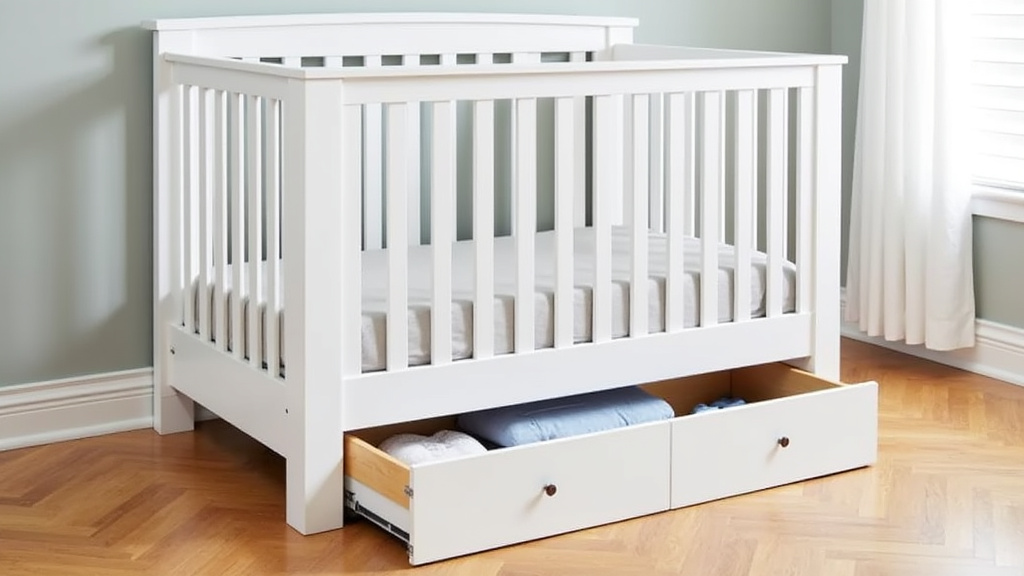
A convertible crib with drawer is a smart choice for nurseries, offering extra storage and adapting as your child grows. It’s a functional piece of furniture that helps you organize baby essentials while providing a safe sleeping space. Many designs convert to toddler beds, extending their usefulness beyond infancy.
When setting up your nursery, considering furniture that offers dual purpose is often wise. A crib with an integrated drawer can help you keep diapers, blankets, and toys neatly tucked away. This can make a huge difference in maintaining a tidy and calm environment for your little one.
- A convertible crib with a drawer provides built-in storage for baby items.
- These cribs can often transform into toddler beds, saving you money long-term.
- Look for sturdy construction and safe, non-toxic finishes.
- Consider the drawer size and ease of access for everyday use.
Let’s dive into what makes these cribs so popular and what you should look for when choosing one for your home.
Choosing a Convertible Crib With a Built-In Drawer
You’re setting up a nursery, and the idea of a convertible crib with a drawer sounds pretty appealing, right? It’s like getting two essential nursery pieces in one. This type of crib isn’t just a place for your baby to sleep. It also offers a handy spot to keep all those baby items organized. Let’s look at why this furniture choice makes so much sense for busy parents.
The Dual Benefits: Storage and Longevity
When you’re thinking about nursery furniture, you want pieces that work hard for you. A crib with an integrated drawer does just that. It provides hidden storage right where you need it most. Think diapers, extra blankets, onesies, or even a few favorite toys. Keeping these things out of sight helps make the nursery feel tidier. This can lead to a more calm and organized space, which is good for both you and your baby.
Beyond immediate storage needs, these cribs are designed to grow with your child. Most convertible cribs can transform into a toddler bed. Some even go further, becoming a daybed or a full-sized bed. This means you’re not just buying a crib for the first few years. You’re investing in furniture that can last much longer. This ability to convert is a major selling point for many parents. It means fewer furniture purchases over time.
Storage Space Explained
The drawer beneath the crib is usually quite spacious. It’s perfect for items you need to access quickly. Imagine grabbing a clean diaper or a fresh sleep sack without having to rummage through a closet. The drawer is typically full-length. This maximizes the usable space. You can often fit a good amount of baby gear in there. This keeps the nursery looking neat and uncluttered.
The Convertible Aspect
The “convertible” part is key. As your baby outgrows the crib stage, you can often reconfigure the crib. This usually involves removing one side rail and adding a guardrail for the toddler bed. Some models have more complex transformations. You’ll want to check the specific instructions for the model you choose. This long-term usability is a big part of the appeal. It’s a smart way to get more value from your furniture purchase.
What to Look For in a Convertible Crib with a Drawer
Buying a crib is a big decision. You want it to be safe, sturdy, and functional. With a convertible crib that includes a drawer, there are a few extra things to consider. We’ve found that focusing on these key features can help you make the best choice for your family.
Safety First, Always
This is non-negotiable. Your baby’s safety is the top priority. Look for cribs that meet current safety standards. The U.S. Consumer Product Safety Commission (CPSC) sets these standards. You should also check for certifications from organizations like the Juvenile Products Manufacturers Association (JPMA). These certifications suggest the product has undergone testing.
Pay close attention to the materials used. Ensure the wood is solid and the finishes are non-toxic. Many manufacturers use water-based paints or stains. These are generally considered safer. Check that there are no sharp edges or small parts that could break off. The spacing between the slats is also important. It should be narrow enough to prevent a baby’s head from getting stuck. Research and found that most experts recommend slat spacing of no more than 2 3/8 inches (CDC).
Sturdiness and Durability
A crib is used every day, often with a lot of bouncing and climbing as babies grow. You need a crib that is built to last. Look for solid wood construction. Pine, poplar, or hardwoods are common choices. Avoid particleboard or MDF for the main frame if possible, as these can be less durable over time. Check how the pieces are joined together. Strong hardware and good joinery are signs of quality.
Drawer Construction
The drawer itself needs to be well-made too. Many drawers are designed to slide on metal glides. This makes them easier to open and close. Some might have a simple wooden runner. You’ll want to make sure the drawer operates smoothly. Are the sides of the drawer sturdy? Does it feel like it will hold up to frequent use? We found that drawers with metal glides tend to be more robust.
Ease of Assembly
Let’s be honest, assembling baby furniture can sometimes be a challenge. Some cribs are notoriously difficult to put together. Look for reviews that mention assembly. Clear instructions and well-labeled parts can make a big difference. If you’re not the most handy person, consider a model known for its straightforward assembly process. It might save you a lot of frustration.
Drawer Accessibility and Size
Think about how you’ll use the drawer. Is it easy to open and close, especially when you’re holding a baby? Some drawers are designed to be fully accessible from the front. Others might be more recessed. Consider the size of the drawer. Will it fit the items you plan to store? Some drawers are quite shallow, while others offer more depth.
It’s also worth considering the aesthetics. Does the drawer blend in well with the crib design? Some drawers have handles, while others have a handle-less, push-to-open design. Choose what fits your style and practical needs best. We found that the drawer size can vary quite a bit between models, so measure if possible.
Comparing Cribs with and Without Drawers
It’s helpful to see how a crib with a drawer stacks up against one without. Each has its advantages. Understanding these can help you decide which is the right fit for your nursery.
A traditional crib offers a clean look. It’s usually simpler in design and can sometimes be more budget-friendly. If you have ample closet space or other storage solutions, a drawer might not be a necessity. You might prefer the unobstructed look underneath the crib.
On the other hand, a convertible crib with a drawer brings added functionality. It’s a space-saver, especially in smaller rooms. It keeps essentials close at hand, which is a huge convenience. The trade-off is often a slightly higher price point. The drawer mechanism can also add a small amount of complexity to the design.
| Feature | Convertible Crib with Drawer | Standard Crib |
|---|---|---|
| Primary Benefit | Integrated storage, space-saving | Simplicity, potentially lower cost |
| Nursery Organization | Excellent, keeps items hidden | Relies on external storage |
| Aesthetics | Drawer is part of the design; can add bulk | Often simpler, cleaner lines |
| Assembly | May have slightly more parts (drawer mechanism) | Generally simpler assembly |
| Cost | Typically higher | Typically lower |
| Long-Term Use | Converts to toddler bed, plus drawer storage | Converts to toddler bed (if convertible model) |
When making your choice, think about your nursery size and your personal storage needs. If you’re tight on space, the drawer can be a lifesaver. If you have plenty of storage elsewhere, a standard convertible crib might be perfectly fine.
Making the Most of Your Crib’s Drawer
Once you have your convertible crib with a drawer, how can you best use that extra space? Here are some ideas to help you maximize its utility.
What to Store in the Drawer
- Diapers and Wipes: Keep a day’s or night’s supply within easy reach.
- Extra Linens: Store a spare crib sheet or waterproof mattress protector.
- Sleep Sacks and Pajamas: Have them ready for bedtime or naptime.
- Burp Cloths and Bibs: Perfect for storing these frequently used items.
- Small Toys: A few favorite soft toys can be kept here for quiet play.
- Baby Care Essentials: Things like diaper cream, lotion, or a thermometer.
Organizing the Drawer Effectively
Even with a drawer, it’s easy for things to get jumbled. Consider using drawer organizers or dividers. These can help keep items separated and easy to find. You can use small bins or baskets to group similar items together. This makes it much faster to locate what you need, especially in the middle of the night.
We found that using fabric bins works well for soft items like burp cloths. For things like diaper cream and medicines, small plastic containers can keep them neat. This thoughtful organization means less digging and more peace of mind for you.
A Quick Checklist for Your Purchase
Ready to find the perfect convertible crib with a drawer? Keep this checklist handy:
- Safety Certifications: Does it meet CPSC and JPMA standards?
- Material Quality: Is it made of sturdy, non-toxic wood?
- Drawer Functionality: Does it open and close smoothly?
- Conversion Process: Are the steps to convert to a toddler bed clear?
- Size and Style: Does it fit your nursery space and decor?
- Reviews: What do other parents say about assembly and durability?
Conclusion
You’ve learned how a convertible crib with a drawer offers smart solutions for your nursery. It provides essential extra storage and grows with your child. By focusing on safety and sturdy construction, you can find a piece that lasts for years. Remember to consider the drawer’s size and ease of use for your daily routines. Your next step is to compare models that fit your budget and nursery style. This thoughtful choice can create a more organized and peaceful space for your growing family.
Frequently Asked Questions
How much weight can the drawer on a convertible crib hold?
The weight capacity of a crib drawer varies by manufacturer. It’s best to check the product specifications for details. Generally, these drawers are designed for linens, diapers, and baby clothes, not heavy items. You should avoid overloading the drawer to ensure it functions properly and lasts longer.
Are convertible cribs with drawers safe for babies?
Yes, when they meet safety standards. Look for certifications from the CPSC and JPMA. Ensure there are no gaps where a baby could get stuck. Non-toxic finishes are also important. The drawer mechanism should be secure and not pose a pinching hazard.
Can I add a drawer to a crib that doesn’t have one?
Typically, you cannot add a drawer to a crib that was not designed for it. The crib’s frame and support system are built specifically for its intended features. Retrofitting a drawer could compromise the crib’s structural integrity and safety. It’s usually best to purchase a crib that already includes the storage you need.
How do I clean the drawer in my baby’s crib?
You can usually clean the drawer with a damp cloth and mild soap. For wooden drawers, avoid excessive moisture. If the drawer has metal glides, you might need to occasionally lubricate them with a silicone spray. Always ensure the drawer is completely dry before storing items inside.
What is the difference in price between a crib with a drawer and one without?
Cribs with integrated drawers tend to be more expensive than standard cribs. This is due to the added materials and construction involved in the drawer mechanism. The difference can range from $50 to $200 or more, depending on the brand and features. You are paying for the added storage convenience and functionality.