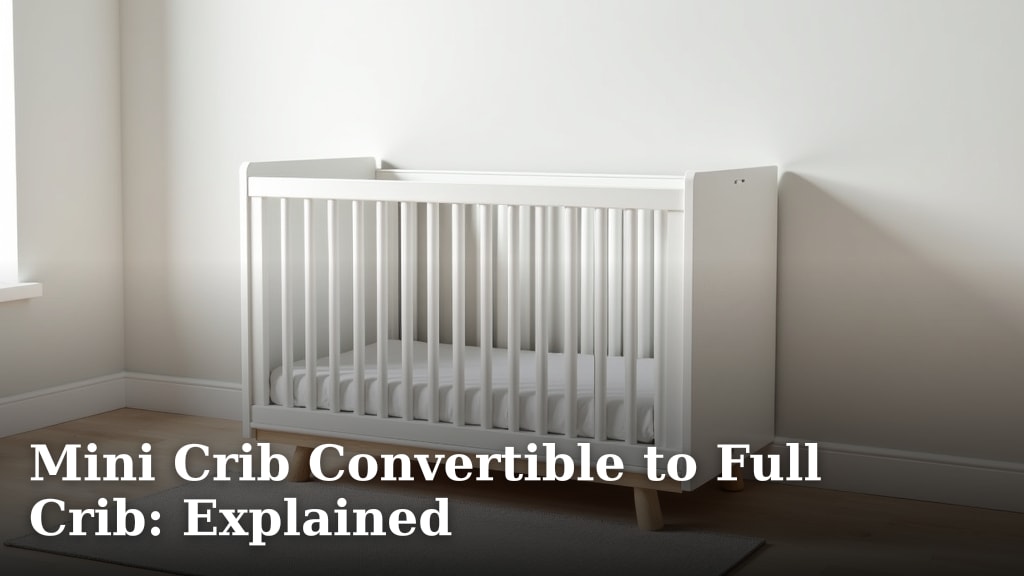
Mini Crib Convertible to Full Crib: Explained
A mini crib convertible to a full crib is a smart furniture choice that grows with your child. It starts as a smaller, space-saving crib and can be transformed into a standard-sized crib later on. This makes it a practical option for parents looking to maximize their investment.
Many parents love this type of crib because it offers long-term value and can last for several years. It’s a great way to avoid buying multiple cribs as your baby gets bigger. You’ll be ready for your little one’s growth spurts without a fuss.
- It’s a two-in-one piece of baby furniture.
- It saves you money over time.
- It’s good for smaller living spaces.
- It converts from mini to full size.
Ready to learn more about how this clever crib works? Let’s walk through exactly what makes it such a popular choice for nursery furniture.
“`htmlUnderstanding the Mini Crib That Becomes a Full-Size Bed
A mini crib convertible to a full crib is a furniture piece designed to offer flexibility. It starts as a smaller crib, perfect for a nursery’s initial setup. Then, it transforms into a standard-sized crib as your child grows. This dual-purpose design aims to save parents money and space.
How Does a Convertible Crib Work?
The magic of a convertible crib lies in its adaptable design. Most models are built with adjustable parts and hardware. These pieces allow you to reconfigure the crib’s size and shape. You start with the mini crib setup. Later, you add or remove specific panels and components. This process changes it into a full-size crib.
The Mini Crib Stage
In its mini crib form, this furniture is smaller than a standard crib. Mini cribs typically measure around 24 inches wide by 38 inches long. This makes them ideal for smaller rooms or apartments. They still meet all safety standards for infant sleep spaces. Your baby will sleep soundly in a cozy, compact bed.
Parents often appreciate the space-saving aspect of the mini crib. It doesn’t dominate the room. This is a big plus when you’re working with limited square footage. You can easily maneuver it for cleaning or rearranging the nursery. It’s like having a smart piece of furniture that fits your current needs.
The Conversion Process
When your child outgrows the mini size, the transformation begins. This usually involves removing the side rails of the mini crib. You then attach new, longer side rails. These longer rails are often included with the crib or can be purchased separately. The mattress support base also needs to be adjusted or replaced. This ensures a proper fit for the larger mattress.
Manufacturers design these conversions with parents in mind. They aim for a process that’s manageable, though it can take some time. You’ll need basic tools, like a screwdriver. Following the instruction manual carefully is key. Many parents find it helpful to have a second person assist during the conversion. It’s like a furniture puzzle you solve together.
The Full-Size Crib Stage
Once converted, you have a standard-size crib. These typically measure about 28 inches wide by 53 inches long. This is the same size as most traditional cribs. The larger mattress provides more room for your growing toddler. It can accommodate them for a longer period before they need a toddler bed or a daybed.
The extended lifespan is a major selling point. You’re essentially getting two cribs in one. This avoids the need to buy a completely new crib later. It’s an investment that pays off as your child grows. Think of it as furniture that adapts to your family’s evolving needs.
Benefits of Choosing a Convertible Crib
The appeal of these cribs is clear. They offer several advantages over single-purpose baby beds. Let’s break down why they’re such a popular choice for nurseries.
Long-Term Cost Savings
Purchasing a single piece of furniture that serves two purposes is economical. You buy one crib. It grows with your child from infancy through toddlerhood. This means you avoid the expense of buying a mini crib and then later a full-size crib. Over several years, this can lead to significant savings. Research shows parents often spend less overall by choosing convertible options.
Space Efficiency for Smaller Homes
As mentioned, the mini crib stage is fantastic for tight spaces. If you live in an apartment or a smaller house, a mini crib is a lifesaver. It fits easily into bedrooms or even a dedicated corner of a living area. When it converts to a full-size crib, it still fits in a standard nursery. You get a functional sleep space without overwhelming your room. This adaptability is a huge advantage for many families.
Sustainable and Eco-Friendly Choice
Opting for a convertible crib can also be a more sustainable decision. Instead of buying multiple pieces of furniture over time, you’re using one for a longer duration. This reduces manufacturing demand. It also means less furniture eventually ending up in landfills. Many brands are also focusing on using sustainable materials in their construction. This aligns with a growing desire among consumers to make eco-conscious choices.
Design Versatility
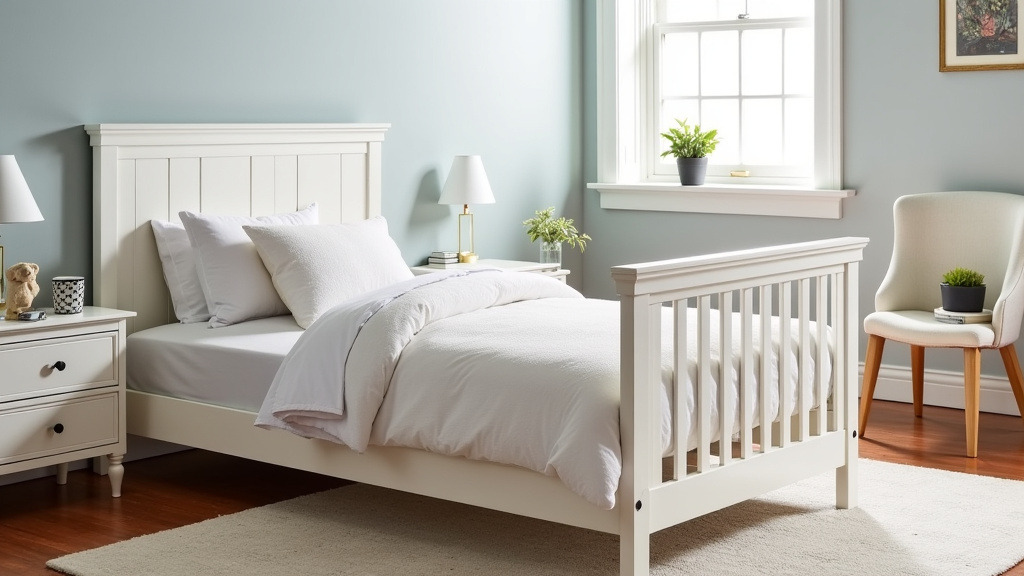
Convertible cribs come in a wide range of styles and finishes. You can find options that match your nursery decor. Whether you prefer modern, classic, or something in between, there’s likely a convertible crib to suit your taste. The conversion process typically doesn’t drastically alter the aesthetic. It maintains a cohesive look throughout its use. This means your nursery can look great for years.
What to Look for in a Convertible Crib
When you’re ready to shop, keep a few key features in mind. Not all convertible cribs are created equal. You want a model that is safe, durable, and easy to use.
Safety Standards and Certifications
First and foremost, ensure the crib meets current safety standards. Look for certifications from organizations like the Juvenile Products Manufacturers Association (JPMA). These certifications indicate the product has undergone rigorous testing. It’s important that the crib is sturdy and free from hazards. Always check for smooth finishes and secure hardware. The safety of your child is always the top priority.
Conversion Kit and Mattress Compatibility
Verify what is included in the conversion kit. Some cribs come with all necessary parts to convert from mini to full size. Others require you to purchase the conversion kit separately. Also, check the mattress size. Mini cribs use smaller mattresses (typically 24×38 inches). Full-size cribs use standard mattresses (28×53 inches). You’ll need to buy the correct size mattress for each stage.
We found that understanding the mattress situation upfront saves hassle. Some parents don’t realize they’ll need two different mattress sizes. Planning for this purchase makes the transition smoother. You don’t want to be caught off guard when it’s time to convert.
Material Quality and Durability
Consider the materials used in the crib’s construction. Solid wood or high-quality composite materials are best. They offer greater durability and longevity. A well-built crib can withstand the wear and tear of daily use. It will also be safer. Check reviews for feedback on how well the crib holds up over time. A sturdy crib is an investment in your child’s safety.
Ease of Assembly and Conversion
Read reviews about the assembly process. Some cribs are notoriously difficult to put together. Others are quite straightforward. The same applies to the conversion process. You want a crib that isn’t overly complicated to change from mini to full size. Look for clear instructions and a logical design. This will make the transition much less stressful when the time comes.
Mini Crib to Full Crib Checklist
Before you buy, consider these points to ensure you’re making the right choice:
- Check Safety Certifications: Look for JPMA or similar seals of approval.
- Confirm Conversion Parts: Does it include everything needed to become a full-size crib?
- Review Material Quality: Opt for sturdy, durable construction.
- Read Assembly Reviews: Ensure it’s not overly difficult to put together.
- Plan for Mattress Needs: Remember you’ll likely need two different mattress sizes.
- Consider Your Space: Ensure it fits well in both mini and full-size configurations.
Conclusion
Choosing a mini crib that converts to a full-size crib offers a smart, long-term solution for your growing child. You gain significant cost savings and excellent space efficiency, especially in smaller homes. This adaptable furniture piece grows with your baby, reducing the need for multiple purchases. Before you buy, always prioritize safety certifications and check that conversion kits and mattress needs are clear. With careful selection, you’ll invest in a practical, durable nursery essential.
Now that you’re informed, start looking for a convertible crib that fits your family’s needs and your nursery style.
Frequently Asked Questions
How long does a mini crib typically last before needing conversion?
Most babies will outgrow a mini crib in terms of space and mobility around 9 to 18 months old. Factors like your baby’s size and how quickly they start to stand and climb will influence this timeline. You’ll know it’s time to convert when your child is bumping against the sides or trying to climb out.
Do I need to buy a new mattress for the full-size crib?
Yes, you will almost certainly need a new, larger mattress for the full-size crib. Mini cribs use smaller, specialized mattresses, while full-size cribs require standard crib mattresses. Make sure to check the dimensions required for your specific convertible crib model.
Is the conversion process difficult?
The difficulty of the conversion process can vary by model. Generally, it involves removing side rails and attaching new, longer ones, along with adjusting the mattress base. We found that following the instruction manual carefully and having a second person assist can make it much easier.
Are mini cribs safe for newborns?
Yes, mini cribs are designed to be safe for newborns and infants. They must meet the same rigorous safety standards as full-size cribs. The smaller size can even create a cozier sleep environment for a young baby.
Can a convertible crib be used as a toddler bed?
Some convertible cribs can be further adapted into toddler beds or even daybeds. This depends entirely on the specific model you choose. Always check the manufacturer’s specifications to see if it offers additional conversion stages beyond mini to full-size crib.