
What Exactly Does Convertible Crib Mean for a Growing Family?
A convertible crib is a multi-functional piece of baby furniture designed to transform as your child grows. It typically starts as a standard crib and can convert into a toddler bed, daybed, and even a full-size headboard.
For a growing family, this means you buy one sturdy piece that lasts for years instead of purchasing separate beds. We found that many parents value the long-term cost savings and the reduced need to shop again. It’s a practical choice that adapts to your child’s changing needs.
- What it is: A crib that converts into a toddler bed, daybed, and full-size bed.
- Key benefit: Saves money and space by growing with your child from infancy to school age.
- Important note: Most require a separate conversion kit, so always check what’s included.
- Why it matters: It’s a long-term investment that offers great value for expanding families.
- The bottom line: A smart, sturdy piece that eliminates the need to buy a new bed every few years.
Let’s walk through exactly how these cribs work and what to look for to find the best one for your nursery.
How a Convertible Crib Adapts to Your Child’s Growth
At its core, a convertible crib is designed with the future in mind. It starts as a safe, enclosed space for your newborn. Then, with a few hardware changes, it transforms. The most common progression is from a crib to a toddler bed by removing a side rail. Many models continue to a daybed and, finally, to a full-size bed using the crib’s backboard as a headboard. This means your child uses the same familiar frame from infancy through their school years.
The Different Stages of Conversion
Understanding the stages helps you plan. Not all cribs convert through every step. The classic “4-in-1” model offers the most flexibility. Let’s break down what each stage typically means.
From Crib to Toddler Bed
This is the first and most essential conversion. It usually involves removing the front rail and sometimes adding a shorter guard rail. This creates an open bed with a safety barrier to prevent nighttime tumbles. The American Academy of Pediatrics recommends transitioning to a toddler bed when your child reaches 35 inches in height, which often happens around age 2 or 3.
The Daybed Option
A daybed is like a sofa with a back and one open side. To achieve this, you often remove the entire front rail. This creates a cozy spot for reading or napping in their room. It’s a simple step that extends the furniture’s usefulness without much work.
Finally, the Full-Size Bed
This is the ultimate transformation. The crib’s headboard and footboard are repurposed as the ends of a full-size bed frame. You will need to purchase a separate bed rail and mattress. This stage lets your child keep a piece of their nursery right up into their teens.
The Lifespan of Your Investment: From Nursery to Teen Room
When you buy a standard crib, you’re planning for about two to three years of use. A convertible crib is engineered for a much longer journey. We found that a quality model can realistically serve your child for over a decade. This long lifespan is its primary appeal for growing families.
Think of it as a piece of heirloom furniture. It’s not just a baby product; it’s a foundational piece of their bedroom that they will literally grow into. You’re not just buying a crib; you’re securing a bed for their toddler years, a sofa for their elementary school reading nook, and eventually a proper bed for a pre-teen or teen.
Factors That Determine Real Longevity
Not every convertible crib will last that long. Durability depends on several key factors.
- Construction Material: Solid wood like maple, oak, or birch will outlast particleboard. A sturdy frame means it can support the weight of an older child and adult hardware.
- Hardware Quality: The bolts, screws, and conversion kits are critical. Cheap hardware can strip or break, making conversion impossible.
- Design Simplicity: Ornate spindles or delicate carvings might be beautiful, but they can also be more prone to damage over many years of use and moves.
- Brand Reputation: Established brands often have better engineering and may offer replacement parts years later.
Breaking Down the Cost: A Long-Term Financial View
Yes, a convertible crib often has a higher upfront price than a basic standard crib. Let’s look at the numbers over time. Buying separate pieces for each stage—a crib, a toddler bed, and a full-size bed—quickly adds up. The real value of a convertible crib is in avoiding those future purchases.
| Bed Type | Average Price Range | Years of Use | Cost Per Year (Est.) |
|---|---|---|---|
| Standard Crib + Toddler Bed + Full Bed | $200-$500 + $150-$300 + $300-$700 | ~12 Years Total | $55 to $125 |
| Quality 4-in-1 Convertible Crib | $350-$800 (includes conversion kit) | ~12 Years Total | $29 to $67 |
This simplified table shows that while the initial investment is higher, the cost per year of use is often significantly lower. This makes it a smart financial decision for families planning for more than one child or simply wanting to avoid repeated big purchases.
Safety First: Certifications and Standards
Your baby’s safety is non-negotiable. When shopping for any crib, including convertible models, you must look for key safety certifications. We found that all cribs sold in the United States must meet strict federal safety standards.
The most important label is from the Consumer Product Safety Commission (CPSC). Any crib you buy new in the U.S. must be CPSC-compliant. For extra peace of mind, look for cribs certified by the Greenguard Gold program, which tests for low chemical emissions. Another reputable certification is from the JPMA (Juvenile Products Manufacturers Association), which indicates voluntary testing beyond federal rules.
Key Safety Features to Inspect
Beyond certifications, physically check these elements. The slats or spindles should be no more than 2 3/8 inches apart to prevent head entrapment. The corner posts should be flush or very short to avoid clothing snags. The finish should be non-toxic and free of lead or phthalates. A solid, immovable mattress support is also essential.
What’s in the Box: Conversion Kits Demystified
Here is a crucial detail many shoppers miss. Most convertible cribs do not include every conversion part in the original box. Typically, the crib comes ready for the toddler bed stage. The hardware for the full-size bed conversion is often sold separately as a “conversion kit.”
You must read the product description carefully. Ask yourself: what exactly is included with my purchase? We recommend checking for the availability of the specific conversion kit before you buy. You want to ensure you can find it five or ten years from now if needed.
Shopping Smart for the Long Haul
When you contact a manufacturer or retailer, be direct. Ask, “Is the full-size bed conversion kit included, or must I purchase it separately?” Then, ask, “Will this kit be available for purchase in the future?” A good company will have a clear parts department and a long-term inventory plan.
Space Planning: A Smarter Nursery Layout
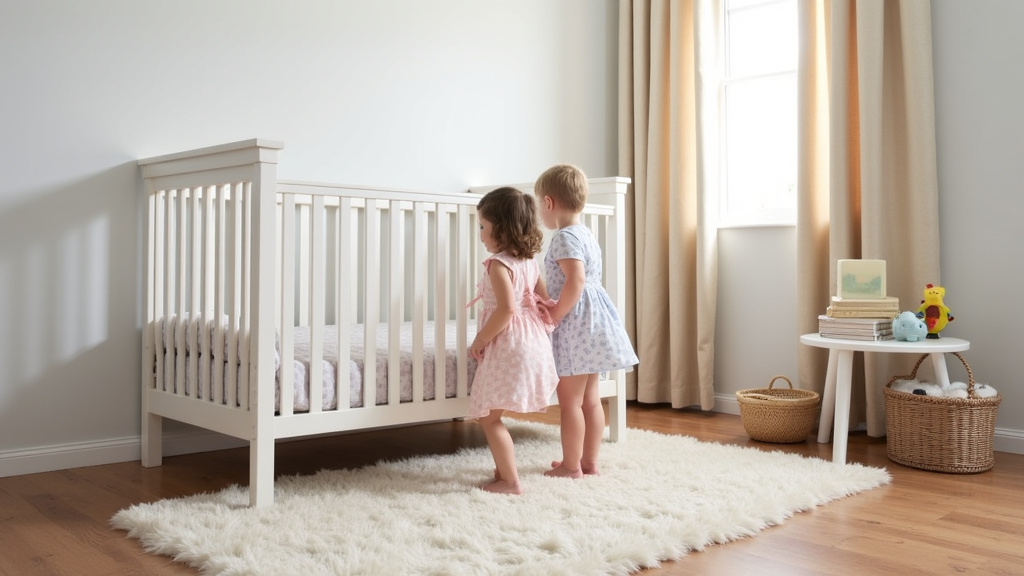
A convertible crib is a champion of space efficiency. You are essentially placing a single piece of furniture in the room that will serve for over a decade. This eliminates the need to find space for a toddler bed later or to shuffle furniture around constantly as your child grows.
It allows you to design a nursery with a longer view. You can invest in a quality crib you truly love because you know it will be a fixture. This stability can be comforting for a child, too, offering a sense of continuity in their room as they change.
Making the Decision: Is It Right for Your Family?
So, who benefits most from a convertible crib? It’s perfect for families who value long-term savings, plan to have more than one child who might use it, or simply prefer buying fewer, better items. It’s an excellent choice for those furnishing a room that must serve a child for many years.
It might be less ideal if you are frequently relocating, as disassembling and moving the heavier frame can be more work. Or if you strongly prefer a very specific, themed nursery look that you’ll want to completely change in a few years.
Your Pre-Purchase Checklist
Before you buy, run through this quick checklist to ensure a convertible crib is a good fit.
- Verify included parts: Know exactly what conversions are ready to go and what requires a separate kit.
- Research the conversion kit: Confirm its availability and price now and for the future.
- Measure your space: Ensure the final full-size bed configuration will fit in the intended room.
- Check the finish: Confirm it meets safety standards like Greenguard Gold for low emissions.
- Read assembly reviews: See what other parents say about the conversion process difficulty.
- Plan for the mattress: Remember you’ll need different mattress sizes for different stages (crib, toddler, full-size).
Final Thoughts on a Growing Family’s Best Friend
Choosing a convertible crib is a decision about the future. It’s a practical, forward-thinking purchase that grows alongside your child. You are investing in versatility, safety, and long-term value. By understanding the conversion process, checking for safety, and planning for the kits you’ll need, you can select a piece that serves your family beautifully for years to come. It turns a simple nursery purchase into a lasting part of your child’s story.
Conclusion
Ultimately, a convertible crib is a practical investment in your family’s future. It offers lasting value by adapting to each stage of your child’s growth, from infancy to the teenage years. We found this saves you money and the hassle of shopping for new beds every few years. Your key takeaways are to **verify which conversion parts are included**, ensure the final full-size bed will fit your space, and prioritize solid construction with safety certifications. By planning ahead, you’re not just buying a crib; you’re securing a durable, familiar piece for your child’s room that can serve you well for over a decade.
Frequently Asked Questions
How many times does a 4-in-1 convertible crib typically convert?
A standard 4-in-1 convertible crib usually has four configurations. It starts as a crib, converts to a toddler bed, then a daybed, and finally becomes a full-size bed headboard. This provides the most flexibility, allowing the furniture to evolve through your child’s school years.
Do I need to buy a new mattress for each conversion stage?
Yes, you will generally need different mattresses. The crib uses a standard crib mattress, while the toddler and daybed stages often use the same crib mattress. For the final full-size bed conversion, you will need to purchase a separate full-size mattress.
What is the typical weight limit for the different stages?
Weight limits vary by model, but the crib and toddler bed stages are usually rated for up to 50 pounds. Once converted to a full-size bed frame, the limit is determined by the bed rails you use, which often support adult weight. Always check the manufacturer’s specifications for each configuration.
Are convertible cribs a good choice for small nurseries?
They can be excellent for small spaces because they eliminate the need to buy and store multiple beds. The initial crib and final full-size bed configuration are the largest footprints. We recommend measuring your room to ensure the full-size bed will fit long-term before purchasing.
Can I find replacement conversion kits if I buy a used convertible crib?
It can be challenging. Availability depends entirely on the brand, model, and age of the crib. Before buying used, research whether the manufacturer still produces the specific conversion kit and what the cost might be. Without the kit, you may be limited to the crib and toddler bed stages.