
Convertible Crib to Daybed: A Simple Guide
Turning Your Crib Into a Daybed: What You Need to Know
Converting a convertible crib to a daybed is a straightforward project that saves you money and extends the life of your baby’s furniture. The process typically involves removing the front crib rail and adding a safety guard rail. Most modern convertible cribs are designed with this specific transformation in mind.
Before You Begin: Checking Compatibility and Parts
You can’t just take a hammer to the crib. The first step is to figure out if your specific model is designed for conversion. Manufacturers create cribs with this 4-in-1 functionality built-in.
Identifying Your Crib’s Conversion Potential
Look for a sticker or a small booklet that came with the crib. It should be on the frame or in the original hardware bag. This manual is your blueprint. It will show you exactly which parts are needed.
If you bought the crib secondhand, this can be trickier. Many experts say the best step is to find the model number stamped on the frame and search for the manual online. Many companies host PDFs of their assembly guides.
Locating the Conversion Kit
Your crib likely came with extra hardware. You should have a bag of screws, bolts, and maybe some special wooden rails. One of those rails is likely the guard rail for the daybed setup.
Can’t find the kit? Don’t panic. Call the manufacturer with your model number. We found that many companies sell replacement conversion kits separately for a reasonable fee.
Essential Tools and Safety Gear
You won’t need a full workshop. The right tools make the job safe and fast. Gather everything before you start so you’re not crawling under the crib mid-project.
- A screwdriver (often a Phillips head, but check your manual)
- An Allen wrench (this usually comes with the crib)
- A soft mallet (for gently tapping parts into place)
- A friend or helper (lifting large pieces is much safer with two people)
- A blanket or mat (to protect your floor and the crib finish)
Step-by-Step Conversion Guide
Follow these steps carefully. Take your time and double-check your work against the manual. Safety is the top priority.
Step 1: Disassemble the Crib Safely
Start by removing the mattress and any bedding. Then, remove the side rails. Most cribs have two shorter side panels that are held on with bolts or cam locks. Take these off completely.
Step 2: Remove the Front Crib Rail
This is the key step. The front rail is the one you want to take off permanently. Unscrew it from the two end panels. You should now have a piece that looks like a headboard and footboard connected by the back rail.
Step 3: Install the Safety Guard Rail
This step is non-negotiable for child safety. The guard rail is usually a shorter, solid piece. Attach it to the inside of one of the end panels where the front rail used to be. Use the hardware specified in your manual.
As the American Academy of Pediatrics (AAP) notes, proper bed rails are crucial for preventing falls. Ensure there is no gap between the guard rail and the mattress larger than 3.5 inches.
Step 4: Reassemble and Secure
Reattach the headboard and footboard. Make sure every bolt is tightened securely. Give the entire frame a gentle shake to test for stability. It should feel solid with no wobbling.
When to Make the Switch: Age and Readiness
Timing is everything. Converting too early can be unsafe. Converting too late might mean your child is climbing out of the crib.
Signs Your Child is Ready
According to the CDC, most children transition to a bed between ages 2 and 3. Look for these clues: they can climb out of the crib, they ask for a “big kid bed,” or their height exceeds the crib’s limit.
Choosing the Right Mattress for the Daybed
The mattress you used for the crib will still work. For a daybed, though, you might want a thicker one for better comfort. Measure the interior dimensions of the frame carefully.
| Crib Size | Standard Daybed Mattress Dimensions | Notes |
|---|---|---|
| Standard Crib (51.6″ x 27.3″) | Same as crib or Twin (75″ x 38″) | Most daybed frames fit a twin mattress. Check your manual. |
| Mini Crib (38″ x 24″) | Often fits a portable crib mattress | Conversion may create a smaller daybed. Verify fit. |
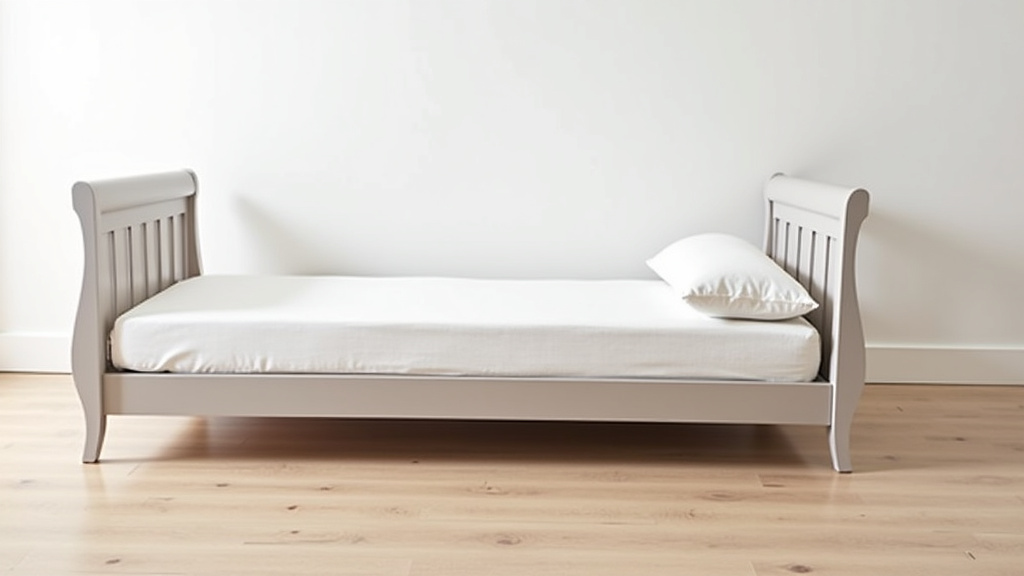
Styling Your New Daybed
Now for the fun part. A daybed is versatile. It can be a cozy reading nook, a guest bed, or a stylish spot in a playroom.
Adding Pillows and Throws
Use a variety of throw pillows against the back rail and side. This creates a couch-like feel and adds extra safety by softening any edges. A colorful blanket ties the look together.
Under-Bed Storage
You can turn that open space underneath into smart storage. We found that rolling bins or baskets are perfect for holding toys, books, or extra bedding. This keeps the room tidy.
Maintaining Your Daybed for Years
Your new piece of furniture needs care. Regular checks will keep it safe and beautiful.
- Check the hardware monthly. Tighten any bolts or screws that have loosened.
- Inspect the finish. Look for chips or cracks in the wood. Sand and touch them up to prevent splinters.
- Clean gently. Use a damp cloth and mild soap. Avoid harsh chemicals that can damage the finish or off-gas.
- Test the guard rail. Make sure it’s secure and hasn’t shifted.
Your Simple Conversion Checklist
Use this quick list to make sure you’ve covered all the bases before and after the project.
- I have found and read my crib’s original instruction manual.
- I have located the conversion kit hardware or ordered a replacement.
- I have gathered all necessary tools, including an extra helper.
- I have removed the old crib mattress and bedding.
- I have installed the safety guard rail according to the diagram.
- I have tightened all bolts and tested the frame for stability.
Conclusion
Converting your convertible crib to a daybed is a practical way to save money and extend your baby’s furniture life. You have the tools, steps, and safety tips to do it right. Always check your manual, install the guard rail securely, and test the frame’s stability. With a bit of patience, you’ll create a safe, cozy space for your child. Start by locating your crib’s manual or finding it online, then gather your tools to begin the conversion this week.
Frequently Asked Questions
What if my crib didn’t come with a conversion kit?
You can contact the manufacturer with your crib’s model number to order a replacement kit. Many companies sell these separately for a reasonable cost. Check their website or call customer service for assistance.
Can I use a standard twin mattress on the converted daybed?
Most convertible cribs fit a standard crib mattress or a twin mattress after conversion. Measure the interior dimensions of your frame to ensure a proper fit. The manual will specify the exact mattress size recommended for safety and comfort.
How do I know if my child is ready for the daybed transition?
Look for signs like climbing out of the crib or asking for a “big kid bed.” According to the CDC, most children transition between ages 2 and 3. Ensure your child meets the height and weight limits for safe use.
Is it safe to convert without a guard rail?
No, a guard rail is essential to prevent falls, especially for young children. The American Academy of Pediatrics emphasizes the importance of proper bed rails. Always install the guard rail as instructed in your manual for maximum safety.
How often should I check the daybed hardware?
You should inspect and tighten the hardware monthly to ensure stability. Also, check the guard rail and frame for any signs of wear or loosening. Regular maintenance helps keep the daybed safe and durable over time.