
What Exactly Is a Crib That Turns into a Bed for New Parents?
A crib that turns into a bed is a piece of nursery furniture designed to grow with your child. It starts as a standard crib for your infant and then converts into a toddler bed or even a full-size bed as your child gets older.
This clever design offers a practical and cost-effective solution for new parents. Instead of buying separate beds for each stage, you invest in one piece that transitions smoothly. We found that many experts say this helps simplify the often overwhelming process of setting up a nursery.
- A convertible crib is a single piece of furniture that adapts to your child’s age.
- It typically converts from a crib to a toddler bed, and sometimes to a daybed or full-size bed.
- The main benefit is long-term use, making it a smart financial choice.
- You save money and avoid the hassle of shopping for a new bed every couple of years.
- Look for sturdy construction and clear instructions for safe and easy conversion.
Below, we’ll walk you through exactly how these cribs work, the different types you can find, and what to look for when shopping for your baby’s first bed that will last for years.
Understanding the Convertible Crib Concept
A convertible crib is a smart piece of nursery furniture. It’s designed to adapt as your child grows, changing from a safe sleeping space for an infant into a bed for a toddler and beyond. Think of it as the “SUV of baby beds”—one vehicle that handles all life stages.
You start with a standard crib for your newborn. Later, you remove one side and add a guardrail to make a toddler bed. Some models go even further, converting into a daybed or a full-size adult bed with the right parts. The core idea is simple: buy once, use for years.
How the Conversion Process Works
The magic is in the hardware and design. The crib includes extra parts like rails, a headboard, and a footboard. Conversion involves simple disassembly and reassembly using the included bolts and tools.
The Basic Steps You’ll Follow
The process is usually straightforward. First, you’ll remove the crib mattress and its support base. Then, you’ll unscrew and remove the front crib panel.
- Step 1: Detach the front rail of the crib.
- Step 2: Attach a shorter safety guardrail to one end of the remaining frame.
- Step 3: Reinsert the mattress support at the lower toddler-bed height.
You now have a toddler bed. It’s open on one side, making it easy for your child to climb in and out safely.
From Toddler Bed to Full-Size Bed
Many 4-in-1 cribs include the pieces for this final stage. You’ll use the crib’s headboard and footboard. You simply attach them to a standard full-size bed frame and slats, which you often buy separately.
We found that this last step is what separates a 3-in-1 from a 4-in-1 crib. Always check what is included before you buy. You don’t want to discover you need extra parts later.
Common Types of Convertible Cribs
Not all convertible cribs work the same way. The main difference is how many stages they cover and what they convert into.
The 2-in-1 Convertible Crib
This is the simplest type. It converts from a crib to a toddler bed or a daybed. The “daybed” just means you remove the side rail completely, creating a small sofa-like piece. It won’t turn into a full bed.
The 3-in-1 Convertible Crib
This model goes a step further. It typically converts from a crib to a toddler bed and then to a full-size bed. You’ll need a compatible full-size bed frame for the final conversion.
The 4-in-1 Convertible Crib
This is the most popular and versatile option. It converts from a crib to a toddler bed, a daybed, and finally a full-size bed. You use the headboard and footboard from the crib for the last stage. It’s designed to be the only bed frame you’ll need until college.
Key Benefits for Your Growing Child and Your Wallet
The advantages are clear and practical. Let’s look at why parents and experts often recommend them.
Significant Long-Term Cost Savings
You avoid purchasing multiple beds over a decade. A quality crib might cost $300, while a separate toddler bed and full-size bed frame could easily total $600 or more. You’re saving money and storage space.
Consistency in Your Child’s Environment
Children find comfort in familiar things. Sleeping in the same bed (that just changes a bit) can make the transition from crib to bed less stressful. The headboard and frame stay the same, providing a sense of continuity.
Environmental and Space Efficiency
Buying one piece of furniture that lasts means less consumption and less waste. It’s also ideal for smaller nurseries or homes. You don’t need to find a new spot for a separate toddler bed and then later a full bed.
Critical Safety Considerations and Standards
Safety is your number one priority. Convertible cribs must meet the same strict federal safety standards as regular cribs. The Consumer Product Safety Commission (CPSC) regulates them.
Mandatory Safety Standards
All cribs sold in the U.S. must meet CPSC standards. This includes limits on slat spacing, structural integrity, and non-toxic finishes. The conversion process should never compromise this safety.
Age and Weight Guidelines
The toddler bed stage typically fits children up to 50 pounds. For the full-size bed stage, you’ll follow standard mattress and bed frame weight limits. The CPSC recommends transitioning your child out of a crib once they can climb out or are 35 inches tall.
What to Look for When Shopping: Your Checklist
Walking into a store can be overwhelming. Use this checklist to compare models and make a confident choice.
- Check the conversion parts: Ensure all hardware for every stage is included. Ask for a parts list.
- Read the instructions: Look for clear, picture-based guides. Complicated manuals mean frustrating future conversions.
- Inspect the construction: The crib should feel solid and stable. Shake it gently; it shouldn’t wobble. Joints should be tight.
- Confirm the mattress fit: There should be no more than two finger-widths between the mattress and the crib side. This gap prevents entrapment.
- Consider the finish: The paint or stain should be non-toxic and lead-free. Look for certifications like GREENGUARD Gold for low chemical emissions.
- Think about your room: Measure your space. A large 4-in-1 crib with a full-size headboard will take up significant wall space in the final stage.
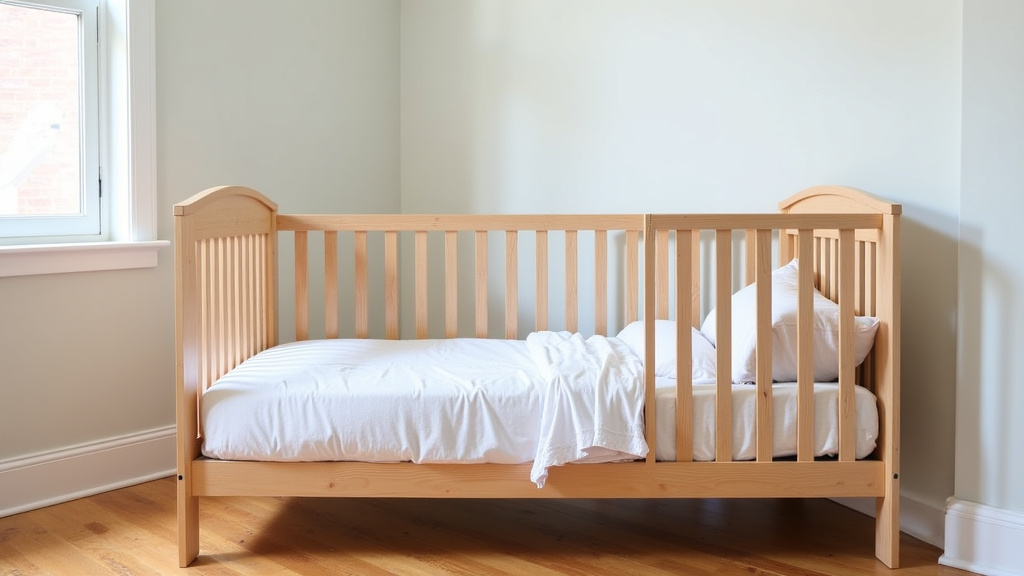
Understanding the Full-Size Bed Conversion
This final stage is where the real value shines, but it has important details. The crib’s headboard and footboard become the decorative ends of your child’s big-kid bed.
You’ll Likely Need Additional Parts
The crib typically does not include the side rails or slats for a full-size bed. You’ll need to purchase a standard full-size bed frame or bunkie board separately. Check the manufacturer’s specifications for the exact type of frame required.
Measure Your Room Now
A full-size bed is 54 inches wide and 75 inches long. That’s much larger than a crib. Make sure your nursery will have room for this larger footprint when the time comes. It’s a common oversight.
Practical Tips for a Smooth Conversion
When it’s time to make the change, a little planning helps. We recommend setting aside a quiet afternoon for the first conversion.
The Best Time to Convert
Convert to the toddler bed when your child shows signs of readiness. This might be when they try to climb out or when they’re potty training. A sudden transition during a big life change, like a new sibling, can be tough.
Involving Your Child
Let them help with simple, safe tasks like handing you a screwdriver. Talk about their “big kid bed” positively. New sheets with their favorite character can make it exciting.
Common Questions and Concerns
Let’s address some frequent worries new parents have.
Is the conversion process difficult?
For most parents, it’s manageable with two people. The first time might take 45-60 minutes. After that, you’ll be an expert. The key is having the right tools and the instructions handy.
Will the bed still look good in a teenager’s room?
Many modern designs are simple and timeless. A clean white or natural wood finish can blend well for years. However, some may have a more “babyish” style. Choosing a neutral design from the start is wise.
What about the mattress?
You’ll need three different mattresses over the crib’s life: a standard crib mattress, a toddler mattress (sometimes the crib one works), and a full-size mattress. The crib mattress is the only one that must be very firm for infant safety.
A Smart Foundation for Years of Sleep
A convertible crib is a practical investment. It provides a safe, familiar sleep environment through major growth stages. By choosing wisely and prioritizing safety, you set your child up for comfortable rest. You also make a financially sound choice for your family. The key is to plan ahead, check the details, and enjoy the journey from crib to bed.
Conclusion
A convertible crib is more than just nursery furniture; it’s a long-term investment in your child’s comfort and your budget. You’ve seen how it adapts from infancy through the toddler years and can even become a full-size bed. This eliminates the stress of shopping for multiple beds. The key is choosing a sturdy model with all conversion parts included. Always prioritize safety and plan for the final full-size bed footprint in your home. Your next step should be to measure your nursery and review product checklists to find a crib that will truly grow with your family for years to come.
Frequently Asked Questions
Is a convertible crib really cheaper than buying separate beds?
Yes, it typically is. When you factor the cost of a crib, a separate toddler bed, and a full-size bed frame, a 3-in-1 or 4-in-1 crib often provides significant savings. You invest once in a piece that covers all stages.
How much extra space do I need for the full-size bed conversion?
You’ll need enough room for a standard full-size bed, which is 54 inches wide and 75 inches long. Measure your nursery now to ensure this larger footprint will fit comfortably in the same spot years from now.
What’s the most common mistake parents make with these cribs?
The biggest mistake is not checking exactly what’s included. Many cribs don’t come with the side rails or slats for the full-size bed stage. You must purchase those separately, so read the product details carefully.
At what age should I convert the crib to a toddler bed?
Convert it when your child shows signs of readiness, such as climbing out or reaching 35 inches tall. We found that doing it during a calm period, not alongside other big changes, helps the transition go smoothly.
Can I use the crib mattress for the toddler bed stage?
Often, yes. Many crib mattresses are dual-sided, with a firm infant side and a softer toddler side. You can typically continue using it. Always check the manufacturer’s guidelines for your specific mattress model.