
What Stages Come With a 4-in-1 Crib for a Growing Family?
A 4-in-1 crib typically offers four distinct stages to grow with your child, starting as a safe baby crib, then converting into a toddler bed, daybed, and finally a full-size bed. This multi-stage design means you won’t need to buy separate beds as your child gets older, saving you money and hassle over the years.
Understanding these stages helps you plan for your child’s long-term needs. Many parents find this an economical choice for nursery furniture. You can expect a 4-in-1 crib to support your child from infancy through their teenage years with the right conversions.
- Stage 1: Baby Crib
- Stage 2: Toddler Bed
- Stage 3: Daybed
- Stage 4: Full-Size Bed
Let’s walk through exactly how these stages work and what you can expect as your little one grows!
The Life Stages of a 4-in-1 Crib: A Bed for Every Age
So, you’re looking at a 4-in-1 crib and wondering how it really works for your growing family. It’s a smart choice because it’s designed to last. This single piece of furniture can actually serve as your child’s bed from their very first night home until they’re ready for a teenager’s room. We’ve broken down each of the four stages so you know exactly what to expect.
Stage 1: The Cozy Baby Crib
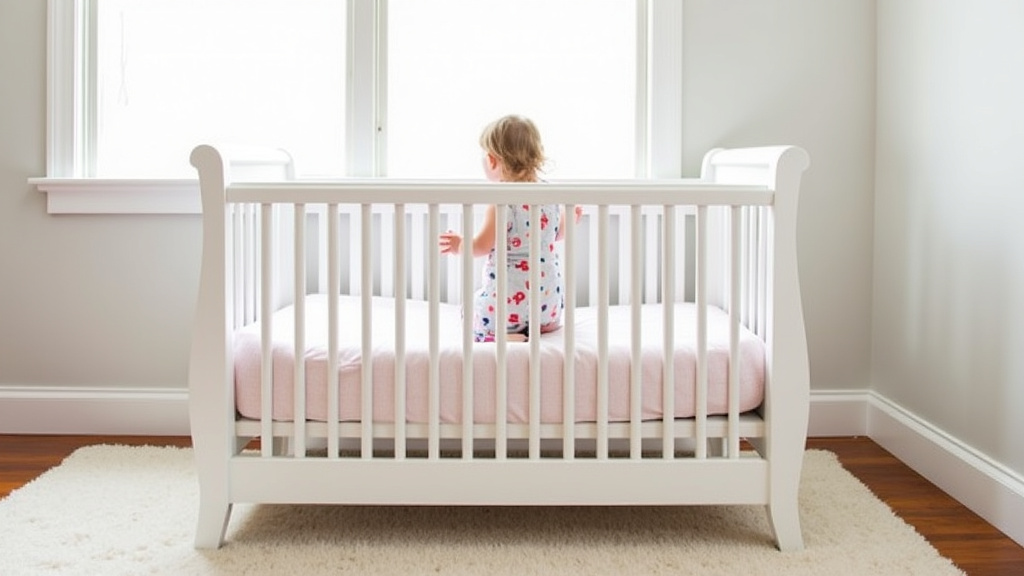
This is where it all begins! In its first form, the 4-in-1 crib is a safe and secure haven for your newborn. It looks and functions just like a standard baby crib. You’ll find high side rails to keep your little one from rolling out during those active sleep sessions. The mattress sits at a higher position here, making it easy to lift your baby in and out without straining your back. This stage is all about comfort and safety for your brand new arrival.
Think of this stage as your baby’s first personal space. It’s where they’ll spend countless hours sleeping, napping, and just gazing around their world. The sturdy construction and safety features are designed to meet all current safety standards, giving you peace of mind. You’ll likely use this stage for a good few years, until your baby starts to climb or is ready for a bit more independence.
Safety First in the Crib Stage
The American Academy of Pediatrics recommends that babies sleep in the same room as their parents for at least the first six months, but on a separate surface like a crib (CDC). This initial crib stage is built with those recommendations in mind. The crib sides are high enough to prevent escape, and the spacing of the slats is carefully regulated to prevent a child’s head from getting stuck. It’s a design focused on preventing accidents while your baby sleeps.
When setting up the crib, always ensure the mattress is firm and fits snugly. There should be no more than two fingers’ width between the mattress and the crib sides. Avoid any loose bedding, pillows, or bumpers that could pose a suffocation risk. This setup is crucial for creating a safe sleep environment for your infant.
Stage 2: The Exciting Toddler Bed
Once your little one is ready to graduate from the crib, the 4-in-1 crib transforms into a toddler bed. This is often a big milestone! This conversion usually involves removing one or more of the crib’s side rails. In its place, you might add a toddler guardrail. This guardrail is shorter than the crib sides, allowing your child to get in and out of bed on their own.
The toddler bed stage is perfect for children who are growing in independence. They can start to feel like a ‘big kid’ with their own bed. The lower profile of the toddler bed makes it much easier for them to climb in and out. This is a great step before they are ready for a larger bed. You’ll typically transition your child to this stage between 18 months and 3 years old, depending on their development.
Making the Switch to a Toddler Bed
The transition itself can be exciting for both you and your child. It signals a new level of maturity. When converting, remove the fixed side rail of the crib. Many 4-in-1 cribs come with a specific toddler guardrail piece that attaches easily. If yours doesn’t, you can purchase a universal toddler guardrail. These are designed to keep your child from rolling out of bed during the night.
The mattress is typically the same crib mattress you used before. It stays at the same height, keeping the bed accessible. This stage helps build confidence as your child learns to manage their own entry and exit from their sleep space. It’s a step towards their growing independence.
Stage 3: The Versatile Daybed
The next conversion in the 4-in-1 crib’s journey is the daybed. This stage looks more like a small sofa or a bed without a headboard or footboard. You’ll usually remove all the side rails completely. This creates an open, inviting bed that’s perfect for lounging during the day and sleeping at night.
A daybed is a wonderful option for a growing child who might use it as a place to read, play, or relax. It offers a more open feel than a traditional bed. Many parents find this stage lasts for a few years. It’s a comfortable and familiar piece of furniture as your child moves through their preschool and early elementary school years. The design is simple and adaptable.
Benefits of the Daybed Configuration
The daybed stage encourages a sense of maturity. Your child has a bed that looks less like a baby’s bed and more like a grown-up’s. It’s easy to access, which can be helpful for kids who like to get up early or need a quick nap. The open design also makes it easy for parents to sit with their child, read a story, or offer comfort.
You might use a standard crib mattress or a twin mattress depending on the specific design of your 4-in-1 crib and the brand’s recommendations. Always check the manufacturer’s instructions for the correct mattress size and fit. This stage can last until your child is around 6 to 8 years old, or until they are ready for a larger bed.
Stage 4: The Full-Size Bed Conversion
This is the final and most enduring stage. Your 4-in-1 crib converts into a full-size bed, often called a twin bed. This is typically the largest bed size that the original crib frame will accommodate. To achieve this, you’ll need to attach a new headboard and footboard, and possibly a bed frame, which usually come included with the conversion kit for your crib.
This stage means you won’t need to buy another bed for your child for many years. A full-size bed is suitable for children, teenagers, and even young adults. It offers plenty of space for sleeping, studying, or just lounging. It’s the ultimate long-term solution for your child’s sleep needs, from infancy all the way through their teenage years. This is where the true value of a 4-in-1 crib shines.
What You’ll Need for the Full-Size Bed
The conversion to a full-size bed usually requires a separate bed frame and a new mattress – a standard twin mattress. The original crib rails are no longer used. The headboard and footboard pieces from the original crib are often repurposed or new ones are added. You’ll need to purchase a standard twin mattress, which is readily available at most furniture and bedding stores.
The frame for the full-size bed will support the mattress and box spring (if required). It attaches to the headboard and footboard pieces that were part of the crib’s conversion kit. This stage provides a spacious and comfortable bed that can last well into your child’s young adulthood. It’s a wise investment in furniture that grows with your family.
A Checklist for Your 4-in-1 Crib’s Journey
Here’s a quick rundown of what to keep in mind as you navigate the stages:
- Keep the Manual: Always save the instruction manual. It’s your go-to guide for each conversion.
- Check for Conversion Kits: Ensure you have all the necessary pieces for each stage. Some parts may be sold separately.
- Safety First, Always: Regularly inspect the crib for loose screws or parts, especially after conversions.
- Mattress Fit: Make sure the mattress fits snugly in every stage, with no gaps.
- Guardrails are Key: Use toddler guardrails when transitioning to help prevent falls.
- Plan Ahead: Think about when you might need to buy a new mattress for the full-size bed stage.
Understanding the Investment in a 4-in-1 Crib
Investing in a 4-in-1 crib is about more than just furniture; it’s about investing in convenience and long-term value for your growing family. While the initial cost might seem higher than a basic crib, the ability to convert it through multiple stages means you’re essentially buying four beds in one. Many families find that this **saves money** over time compared to purchasing separate toddler beds, daybeds, and full-size beds.
Furthermore, the consistent design and familiarity for your child can ease transitions. They already know and trust their bed, even as it changes form. This can lead to a more settled sleep routine. Research by consumer product safety organizations often highlights the importance of sturdy, well-maintained children’s furniture, and a 4-in-1 crib, when properly cared for, meets these standards.
The progression from a secure baby crib to a full-size bed is a journey. A 4-in-1 crib is designed to be a reliable companion through these years. By understanding each stage, you can better prepare for your child’s changing needs and enjoy the benefits of this **versatile and economical furniture** choice.
Conclusion
You’ve seen how a 4-in-1 crib can simplify your child’s sleep journey. It starts as a safe nursery essential and grows with them through four distinct stages. This means fewer furniture purchases over the years. You can feel confident knowing your investment adapts to your child’s changing needs. Your next step is to consider the specific features and conversion kits that come with the crib you choose. Making an informed decision now will bring convenience for years to come.
Frequently Asked Questions
How long can I expect a 4-in-1 crib to last?
A 4-in-1 crib is designed to be used for many years. It typically supports your child from infancy through their teenage years as a full-size bed. You can expect it to last at least 10-15 years with proper care and conversions.
Do I need to buy new mattresses for each stage?
Generally, you’ll use the same crib mattress for the first three stages: baby crib, toddler bed, and daybed. For the final full-size bed conversion, you will need to purchase a standard twin mattress.
What if I lose the conversion kit parts?
It’s important to keep your instruction manual and all conversion kit pieces organized. If you lose parts, check the manufacturer’s website or contact their customer service. They often offer replacement parts for purchase.
Are 4-in-1 cribs safe for all stages?
Yes, when assembled and used according to the manufacturer’s instructions, 4-in-1 cribs are designed to be safe through all stages. Always ensure all screws are tight and guardrails are in place when needed.
Is a 4-in-1 crib more expensive than a regular crib?
The initial purchase price of a 4-in-1 crib might be higher than a standard crib. However, when you factor in the cost of separate toddler beds, daybeds, and full-size beds, the 4-in-1 often proves to be more economical over time.